
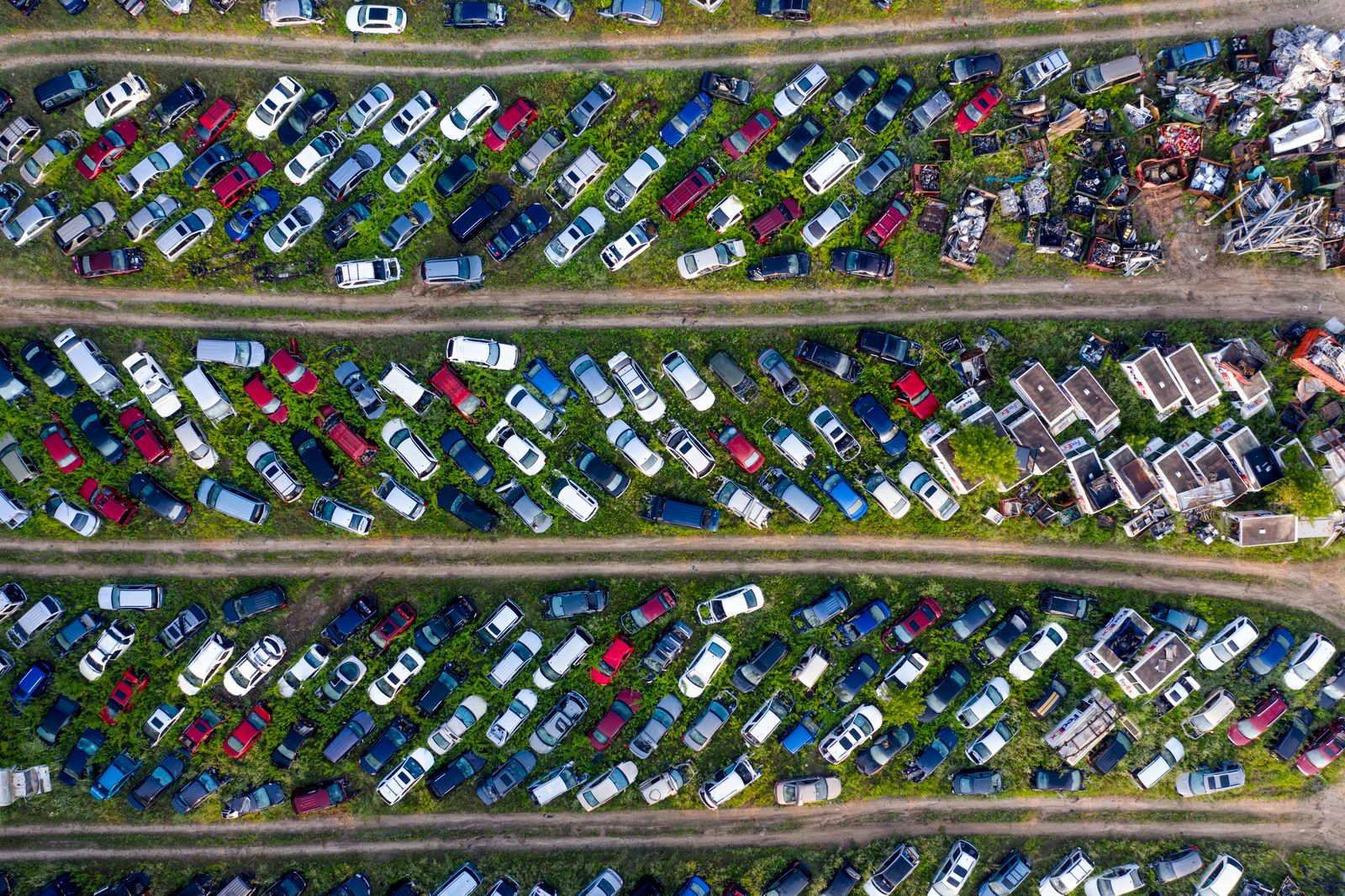
An assembled vehicle title means the state titled the car as something built from component parts, usually a motor, body, and frame, instead of as a factory car that got wrecked and repaired. Texas is the clearest example: its DMV treats kit cars, hobbyist builds, replicas, street rods, custom vehicles, and glider kits as assembled vehicles. So "assembled" is a different animal from rebuilt salvage. For a buyer, the friction is that the car's paper history may start on the day it was titled, and a history report can look almost empty.
How Texas defines an assembled vehicle
The Texas Department of Motor Vehicles says an assembled vehicle is assembled from component parts (motor, body, and frame) as applicable to the type, and the category includes assembled motor vehicles, motorcycles, trailers, custom vehicles, street rods, replicas, and glider kits. The TxDMV assembled and reconstructed vehicle manual adds that this covers builds by a hobbyist from new or used parts, kits sold with a Certificate of Origin, and certain vehicles built by manufacturers that sell through a franchise dealer network.
Texas also lists what can't be titled this way. Per the DMV page, an assembled vehicle can't be titled or registered if it merges two or more vehicle classes (with some exceptions for passenger cars, pickups, panels, and vans), uses the frame or body of a nonrepairable vehicle, contains electrical or mechanical parts from a flood-damaged vehicle, was designed for off-highway or track use only, is a stripped vehicle, or uses parts that don't meet a federal safety standard where one exists. That flood-parts rule is worth remembering if a seller brags about the donor car.
California calls it specially constructed
Other states use other words. The California DMV uses "specially constructed or modified vehicle" (SPCNS) for a homemade or kit vehicle built for private use, not made by a licensed manufacturer. It may include new and used parts, including parts from a junked vehicle that was dismantled. California is just as clear about what doesn't count: a car repaired or restored with replacement parts, or one modified from its original design, isn't SPCNS. Its example is a Volkswagen Beetle with modified fenders and front end, which is still recognizably a Beetle.
So the label depends on the state. Minnesota, for instance, lists "Assembled" as a title notation on the same page where it lists brands like salvage and flood. Read the exact word on the title and look it up on the issuing state's DMV site before you assume it means what it means in Texas.
How the VIN gets assigned, and why the report looks thin
A factory car has a VIN stamped at the plant and years of records attached to it. An assembled vehicle often doesn't. In Texas, the VIN comes from one of a few places: the Certificate of Origin when the kit maker assigned it, the manufacturer's certificate for a replica, custom vehicle, street rod, or glider kit, or a law enforcement identification number inspection on Form VTR-68-A, with a department-assigned number where needed. TxDMV says newly assembled vehicles without a maker-established VIN must be inspected by an auto theft law enforcement officer first.
The manual explains what lands on the title. The make shows as ASVE, the year is the year the vehicle was assembled, the previous owner is listed as "None," and the odometer brand is NOT ACTUAL MILEAGE. Put those together and a history report on that VIN may show one title event and very little else. That's expected, and it doesn't mean the car is clean or dirty. Whatever the donor engine or frame went through is tied to other VINs, if it's recorded at all.
Bluntly, this is where a thin report gets oversold. A seller can wave a near-empty printout around as proof of a "perfect history," and on an assembled car a short report mostly proves the VIN is young.
What Texas requires before the title is issued
Texas makes the owner get a letter from a TxDMV Regional Service Center first. The RSC decides whether the vehicle is eligible and whether all required documents were provided, and the letter and verified document list then go to the county tax assessor-collector to process title and registration. The documents TxDMV lists include:
- Form 130-U, the title application, plus government-issued photo ID
- Photos of the front, rear, and side, and for a replica, a photo of the original it copies
- Ownership evidence for the motor, body, and frame as applicable
- An ASE safety inspection by a master technician for assembled motor vehicles, replicas, custom vehicles, and street rods, plus that tech's certification
- A Rebuilt Vehicle Statement (Form VTR-61) and a certified weight certificate
- A vehicle inspection report if registering in an emissions county where the vehicle isn't exempt
- A VIN verification document
Per the manual, the ASE technician certifies the vehicle is structurally stable, can be operated safely on the road, and that equipment covered by a federal safety standard complies with it. If ownership evidence is missing, TxDMV points owners toward a bonded title application, which we explain in what a bonded title is.
Resale friction you should plan for
The manual says assembled vehicles that aren't replicas or reconstructed get a NOT FOR DEALER RESALE remark in Texas, meaning a licensed dealer can't buy or sell them under Transportation Code 503.013. That shrinks your resale market to private buyers. Insurance is another call to make before you pay. Honestly, call your insurer with the actual VIN and the build details and get a quote before money changes hands.
How this differs from kit-car, reconstructed, and glider titles
These terms overlap, so a quick map:
- Kit cars are one kind of assembled vehicle. The registration side, including Certificates of Origin, is covered in our kit car title and registration checks.
- "Reconstructed" is tricky. In Texas, it's an assembled vehicle built around an original body with an established year and make, titled by that year and make with a RECONSTRUCTED remark. In many other states the word is used for a repaired salvage car, which is why our reconstructed vs rebuilt title guide stresses checking the state's own label.
- Glider kits, new truck bodies paired with a powertrain, are on Texas's assembled list too. History checks on those are covered in glider kit truck history checks.
Running the VIN still has a point
A report on an assembled car won't tell a long story, but it will show title brands, any later accidents or insurance losses, and whether the title chain since assembly is clean. We resell official CARFAX and AutoCheck reports with a license to do it, separate from CARFAX, AutoCheck, and Experian, and none of our reports are free. In November 2026 a single direct report still runs about $39.99 to $44.99 in our checks; with us, expect about $5.50 as a guest, $4.50 for members, and $6.75 for the pair. Confirm at checkout. Then ask the seller for the build file: RSC letter, ASE form, VIN inspection, and receipts for the major parts. If the seller can't produce any of it, price the car like a project, because that's what you're buying.



Comments (0)
No comments yet. Be the first to share your thoughts!
Log in to leave a comment.