
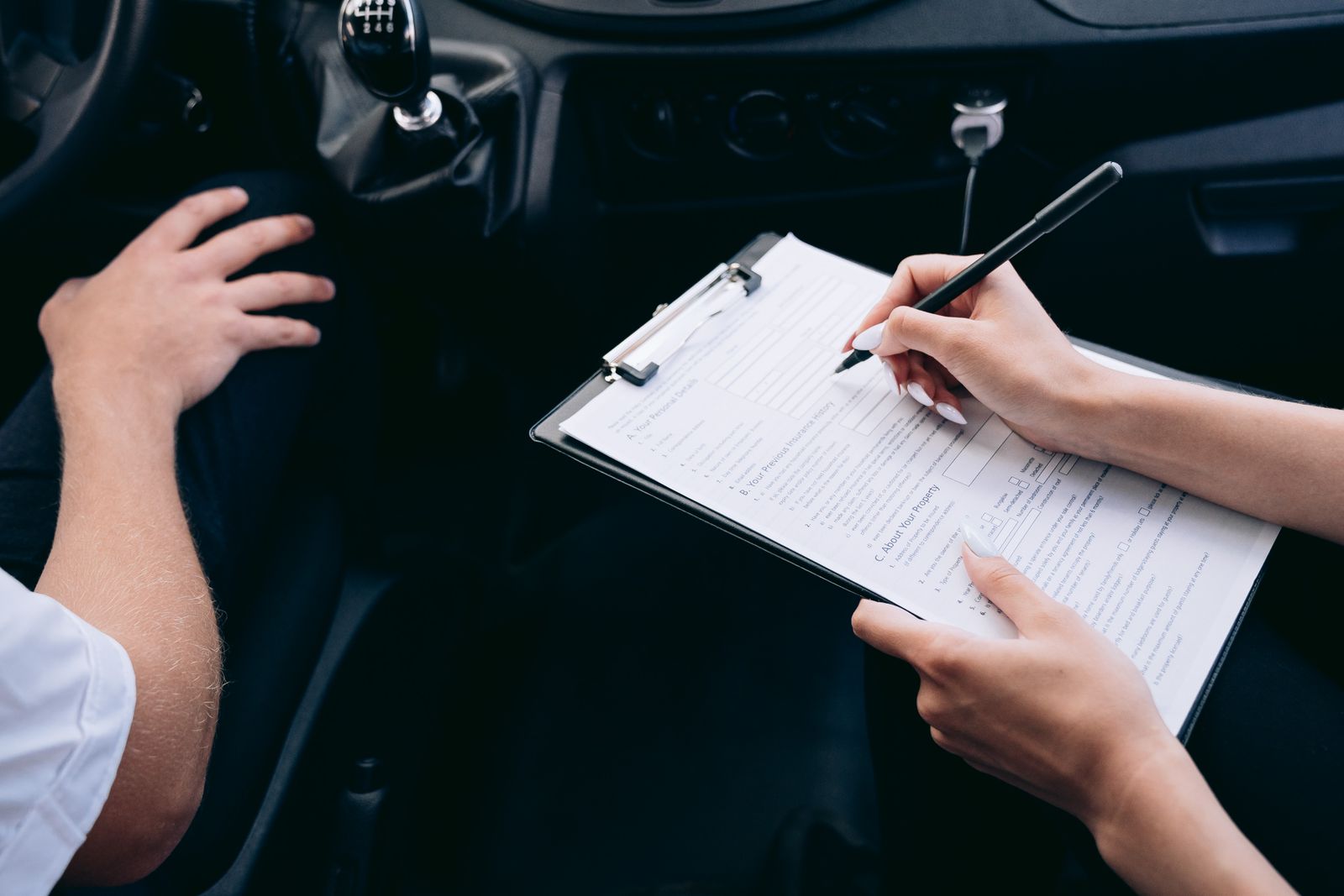
You signed for a used car Saturday afternoon, and by Sunday night something feels off: a pull to the right on the freeway, a smell from the vents, or just a payment that looked smaller in the finance office than it does on your kitchen table. So can you take it back? In most of the country the honest answer is no, unless the dealer promised a return in writing. But as of early October 2026 that changed for a big slice of buyers, because California's new law gives dealer used-car buyers a three-day right to cancel. Here's how the federal rules actually work, what the California law covers, and how to use a short return window if you have one.
The federal answer: there's no three-day return on a car
A lot of people believe there's a federal "three days to cancel" rule for cars. There isn't. The FTC's consumer page on buying from a dealer says it plainly: federal law doesn't require dealers to give you three days to cancel the deal and return the car. Some states require a right to cancel, and in others a return exists only if the dealer chooses to offer one, which dealers may call a cooling-off period, a money-back guarantee, or a "no questions asked" return policy. The FTC tells you to ask about the return policy before you buy, get it in writing, and check your state attorney general's rules.
The confusion comes from the FTC's separate Cooling-Off Rule at 16 CFR Part 429. That rule does give a three-business-day cancellation right, but only for sales made at your home or at temporary locations like a hotel room or a fairground. The FTC's own summary lists the exclusions, and one of them is cars, vans, trucks, and other motor vehicles sold at temporary locations if the seller has at least one permanent place of business. So even the tent sale in a mall parking lot usually isn't covered, and a normal lot sale never was.
There was also a federal rule aimed at dealer tricks, the FTC's CARS Rule, which targeted bait-and-switch pricing, hidden fees, and junk add-ons. It never took effect. The Fifth Circuit vacated it on January 27, 2025, in a 2-1 decision holding that the FTC skipped a required advance notice of proposed rulemaking, and Reuters covered the ruling the next day. Even if it had survived, it didn't include a return right.
California's CARS Act: what changed on October 1, 2026
California's version, SB 766, the California Combating Auto Retail Scams (CARS) Act, was signed in October 2025 and became operative on October 1, 2026. It copies a lot of the vacated federal rule on pricing and add-ons, and then goes further. Under Civil Code section 1784.43, a dealer can't sell or lease a used vehicle at retail for $50,000 or less without giving the buyer a three-day right to cancel. The San Francisco Chronicle described California as the first state to offer this kind of cooling-off period for used cars.
The details matter, so here they are from the statute. The three days are calendar days starting the day after you sign, and if the third day lands on a day the dealership is closed, the window runs to the next day it's open, ending at close of business. The right is gone if you've driven the car more than 400 miles since signing. The dealer can charge a restocking fee of 1.5% of the sale price, with a floor of $200 and a cap of $600, plus $1 a mile over 250 miles, capped at another $150. On a $20,000 car that's a $300 fee, so the worst case on that car is about $450. That's real money, but it's small next to being stuck with a car you don't trust.
A few other pieces are worth knowing. The dealer has to put a warning on the first page of the contract and hand you a separate disclosure titled "3-Day Right to Cancel Used Car Purchase or Lease." It can't charge you just for having the right, which is different from California's old paid two-day contract cancellation option that the Act replaced. After you cancel, the dealer has 48 hours to refund you, with a little more time if you paid by check. If your trade-in was already sold, the dealer owes you the greatest of the agreed trade value, what it sold for, or fair market value, minus any loan on it. New cars, private-party sales, cars over $50,000, auction sales, and a lessee buying out a car they already have are all excluded.
Here's the catch: you have to personally bring the car back to the selling dealer during business hours, with the restocking fee and anything else you got in the deal, and the car has to be in the same condition apart from normal wear or a defect you didn't cause. A phone call on day three isn't enough. If you're planning a long drive the first weekend, keep an eye on the odometer.
Dealer return policies outside California
If you're not in California, or the car costs more than $50,000, a dealer's own money-back guarantee is usually the only way out. Those policies change, so read the current version, not what a friend remembers. CarMax is a good example: its old 30-day, 1,500-mile guarantee was cut to 10 days for purchases after May 11, 2024, as Kelley Blue Book reported. Carvana's published policy is a 7-day guarantee that starts the day you take delivery, with 400 miles included and $1 a mile after that. It also excludes cars that have been modified, damaged, or in an accident, and shipping charges may not be refundable. Bankrate's rundown makes the same point we would: if the return terms aren't in your paperwork, assume the sale is final.
Using a short return window well
Three days, or even seven, goes fast, so plan it before you sign. Book a pre-purchase inspection with an independent mechanic for the first morning, and bring the history report so they know what to look at; our post on sharing a CARFAX with your mechanic covers what helps. Run the VIN for open recalls, too. A consumer advocate quoted by NBC Los Angeles made the point that the window gives buyers time to check for unrepaired safety recalls, and we explain how recall data shows up in open recalls on CARFAX.
Then check the history yourself instead of relying on the dealer's printout. We've seen enough seller-supplied "clean" PDFs that were edited or belonged to a different VIN that we'd never trust one on its own, and our guide to spotting a fake CARFAX report shows the tells. Retail CARFAX pricing is usually quoted at $39.99 to $44.99 for one report (confirm at checkout); through us, a guest report runs about $5.50. Honestly, that's cheap compared with a $300 to $600 restocking fee or a car with a title brand you didn't know about. Our post on a dealer's free CARFAX versus buying your own explains why the two don't always match.
When it's financing, not buyer's remorse
Sometimes the dealer is the one trying to unwind the deal. In what the CFPB calls spot delivery or conditional financing, you drive home before the loan is final, and then the dealer calls to say it can only offer a higher rate, a longer term, or a bigger down payment. That's yo-yo financing. The CFPB says that if your contract doesn't clearly state the deal wasn't final, you may have the right to keep the car on the original terms, and either way you don't have to accept the new financing; you can walk away, and the dealer should refund your down payment. The FTC has gone after dealers over these tactics too. So don't sign a worse deal under pressure. Pull out your original contract first, and file a complaint with the FTC or CFPB if the dealer won't give your money back.
What to check before you sign
- Ask whether there's a return or cancellation right, and get the days, mileage limit, and fees in writing.
- In California, look for the first-page warning and the separate 3-Day Right to Cancel disclosure on any used car $50,000 or under.
- Read the FTC Buyers Guide on the window; our Buyers Guide explainer covers what "As Is" means, and why an as-is car still needs a history check.
- Find out whether the financing is final or conditional.
- Line up the mechanic and the history report before the window opens. Our dealer buying checklist has the rest.
If you're buying in California, the state's smog and paperwork rules apply too; see who pays for the smog check on a California used-car sale. And if the car turns out to be a lemon later, cancellation isn't your only option. The CARS Act says it doesn't replace other rescission rights, and lemon-law buybacks follow their own rules, covered in our post on California lemon-law buyback titles.
Sources
- FTC Consumer Advice: Buying a Used Car From a Dealer (return policies)
- eCFR: 16 CFR Part 429, the FTC Cooling-Off Rule
- FTC: Buyer's Remorse and the Cooling-Off Rule (motor vehicle exclusion)
- California Legislature: SB 766, California CARS Act, bill text
- California DMV: OLIN 2026-10, dealer memo on implementing the CARS Act (PDF)
- Sen. Ben Allen press release on the signing of SB 766
- San Francisco Chronicle: California's new used-car law takes effect (Oct. 2026)
- NBC Los Angeles: Car dealers must disclose full price upfront under new CA law
- U.S. Court of Appeals, Fifth Circuit: opinion vacating the FTC CARS Rule (Jan. 2025, PDF)
- Reuters: US court throws out Biden-era rules designed to protect car buyers
- Kelley Blue Book: CarMax trimming money-back guarantee to 10 days
- Carvana: 7-Day Return Policy terms
- Bankrate: Can you return a car you just bought?
- CFPB: Can the dealer increase the interest rate after I drive the vehicle home?
- FTC: Deal or no deal? FTC challenges yo-yo financing tactics
Comments (0)
No comments yet. Be the first to share your thoughts!
Log in to leave a comment.