

The listing said "clean," the seller said "rebuilt but solid," and the price was a few thousand under every comparable Civic on the lot. Then the title brand showed up mid-handshake. That gap — what a rebuilt stamp actually means on a CARFAX — is where people overpay or walk away too late.
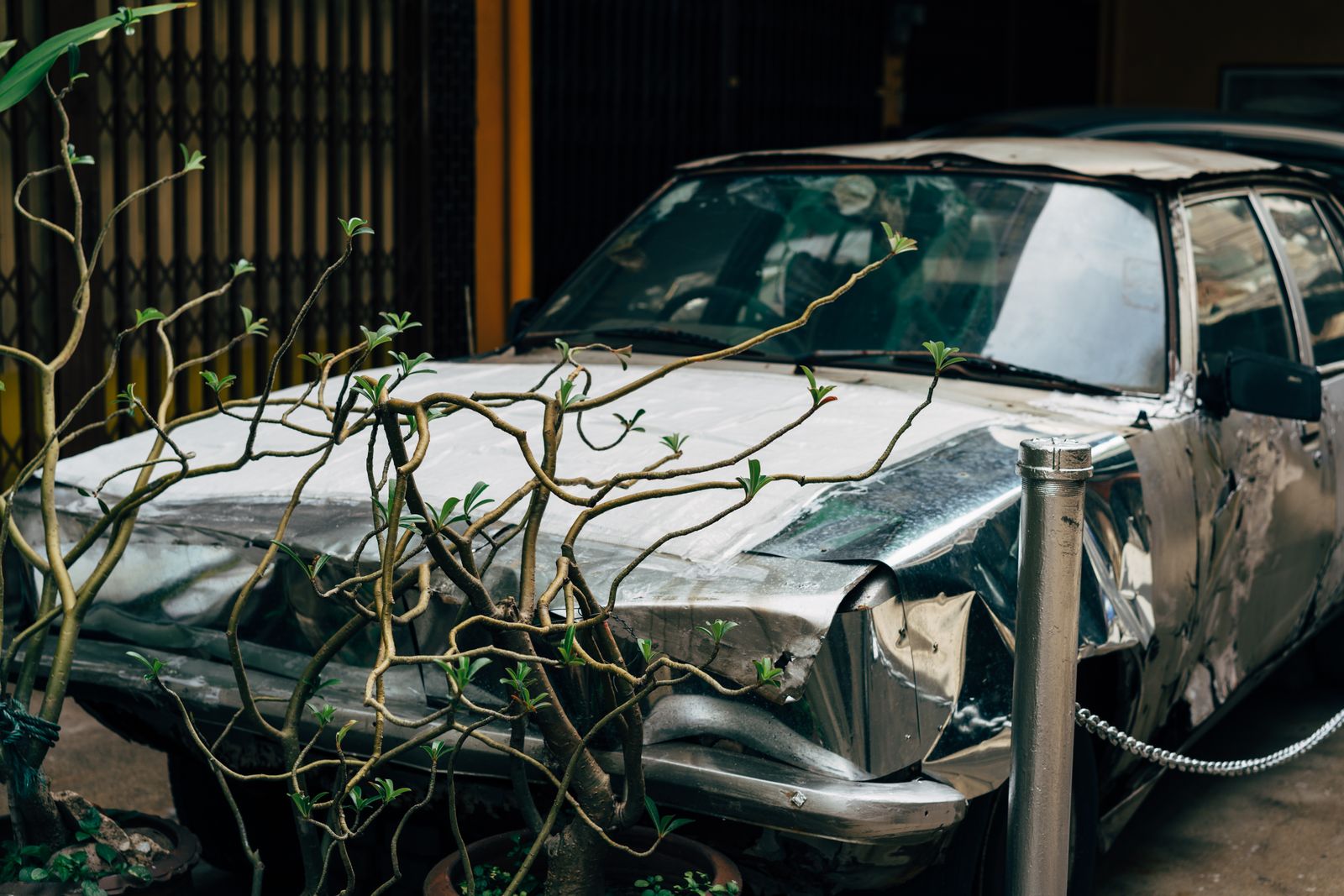
Look, a rebuilt title is not a soft warning sticker. It means an insurer once wrote the car off as a total loss, someone repaired it, and a state inspection said it was road-legal again. The brand stays. You can register it in most places. You still bought a car with a permanent history problem.
We've seen sellers email screenshots that crop the title section or wave a months-old PDF like it's today's fact. So if you're shopping a "great deal" in September 2026, pull a fresh official report on the VIN stamped on the car — not the one taped to the windshield.
Salvage vs rebuilt (they're not the same)
Salvage is the "this car is totaled / not for normal road use" stamp. Rebuilt (sometimes "reconstructed," "restored salvage," or "rebuilt salvage," depending on the state) is what comes after repairs pass inspection.
- Salvage: usually illegal to drive as a normal daily, hard/impossible to insure for everyday use.
- Rebuilt: legal to title and drive after that state process — brand still follows the VIN.
- Flood / lemon / junk: other brands with their own mess; don't let a seller blur them into "just rebuilt."
Here's the catch: the inspection proves minimum roadworthiness for that state's checklist. It does not prove factory-quality structural work, OEM airbags, or that water never sat in the wiring loom.
What CARFAX (and AutoCheck) usually show
On a real report you should see title events, prior salvage or total-loss flags when reported, odometer timeline, and often auction or damage notes that explain why it got branded. AutoCheck will surface a lot of the same title and auction trail in its own layout.
Honestly, the report is only as good as what got reported. Cash body work, DIY "fixes," and some out-of-network repairs never hit the database. A clean-looking page with a rebuilt brand still means the brand is the story — not a green checkmark parade.
Retail CARFAX for one VIN still lands around $39.99–$44.99 depending on which checkout you hit (sources still disagree in 2026). Same official document through a licensed reseller is cheaper — on our site guest checkout is $5.50, members $4.50, and we're not affiliated with CARFAX, AutoCheck, or Experian. Confirm the number at checkout; packs and promos move.
Why the price looks "too good"
Rebuilt cars often list 20–40% under clean-title comps. That discount is the market pricing in financing friction, insurance limits, and resale pain — not free money.
Banks often won't finance rebuilt titles, or they price the loan like a penalty. Insurers may offer liability only, skip comprehensive/collision, or want photos and a statement of value first. Trade-in at a franchise dealer? Expect a polite no, or a number that feels like scrap with wheels.
If the seller won't say what totaled it — crash, hail, flood, theft recovery — treat that silence as a risk line, not mystery marketing.
Title wash and out-of-state moves
We've pulled VINs where the current paper looked quieter than the older brand history. Title washing (moving a branded car across states to muddy the disclosure) is harder than it used to be thanks to NMVTIS, but it isn't extinct.
So match:
- VIN on the dash / door jamb vs VIN on the report vs VIN on the title.
- Every title brand line on the history report, not just the latest state.
- Auction photos or repair invoices if they exist — hail vs frame hit is not the same bet.
For flood especially, skip unless you like electrical ghosts six months later. Our flood-car notes and the salvage-title state patterns are worth a skim before you fall for "rebuilt, runs great."
A blunt buyer checklist
- Pull your own fresh CARFAX or AutoCheck on the stamped VIN — don't trust a seller PDF alone (verify real PDFs).
- Read title brands first, then accidents/auctions, then odometer — same triage we use in how to read a CARFAX.
- Call your insurer and lender before you fall in love with the car.
- Pay a collision/frame specialist for a pre-purchase inspection, not "my cousin who changes oil."
- Walk if the seller blocks inspection, hides the brand, or only has a cropped screenshot.
A rebuilt title can be a known quantity when the damage story is boring (cosmetic hail, documented repairs) and you're paying cash with eyes open. Most of the time the cheaper sticker is pricing in problems you'll meet again at refinance, claim time, or sale day.
If you still want the car after that homework, fine — just don't pretend the brand is trivia. Pull the report, read the brand, inspect the metal, then decide.
Comments (0)
No comments yet. Be the first to share your thoughts!
Log in to leave a comment.