
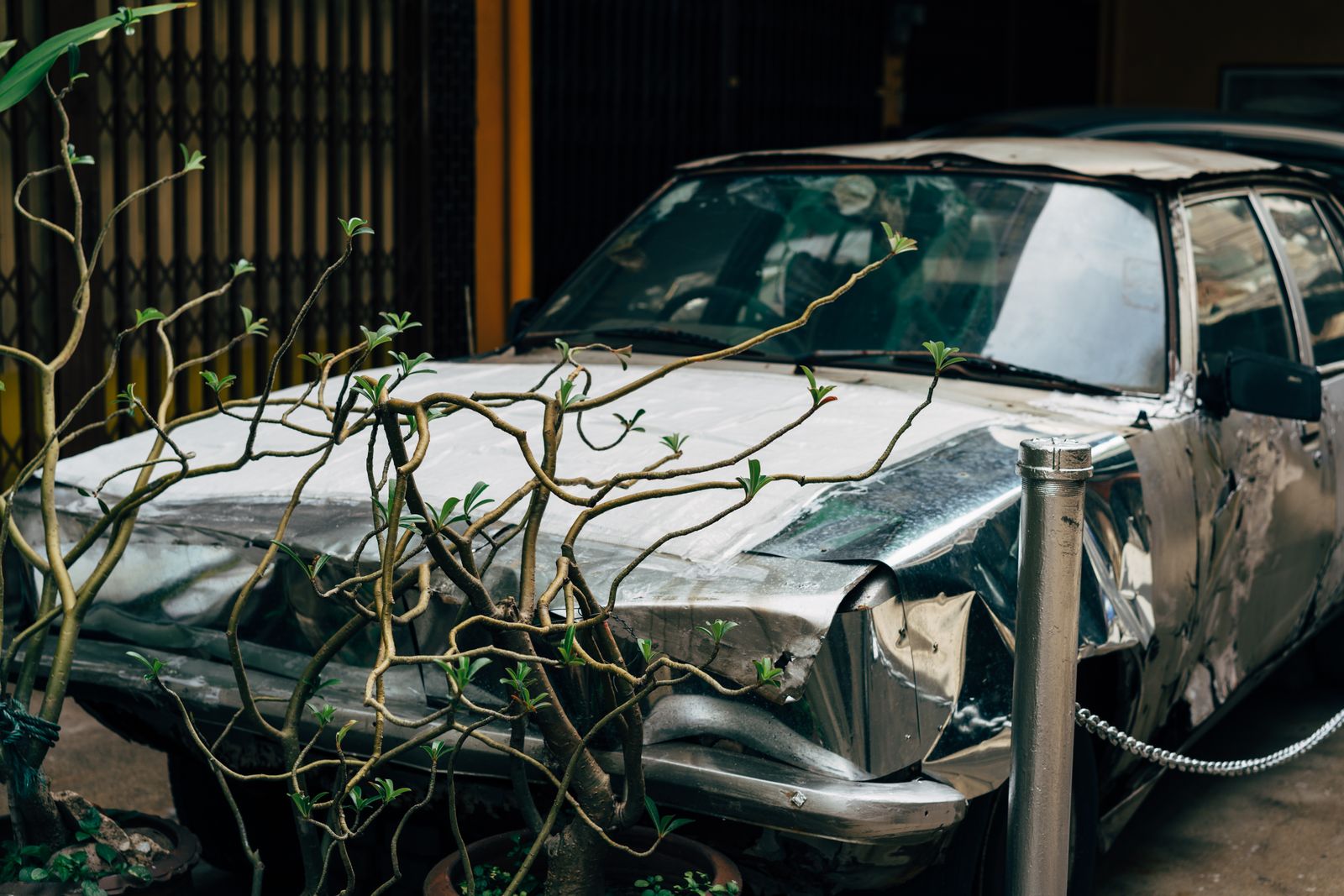
A Cars.com “accident-free” style badge is a listing shorthand, not a lifetime warranty and not a full vehicle history report you own. Treat badges as marketing filters that still require a dated official PDF and a real inspection.
Late September 2026, badge language still gets screenshotted as if it settled the deal. We’ve compared cheerful badges to full CARFAX and AutoCheck files where damage rows, brands, or title issues lived below the fold — or where “accident-free” meant something narrower than buyers assumed. Chrome is not disclosure.
Late September 2026, official CARFAX and AutoCheck retail singles still get quoted around $39.99–$44.99 depending on the cart (confirm at checkout). Through our licensed reseller checkout, guest reports are about $5.50, member about $4.50, and the CARFAX+AutoCheck bundle about $6.75; credit packs often start near $3. Confirm what your cart shows before you pay. We resell official reports and are not affiliated with CARFAX, AutoCheck, or Experian.
What accident-free badges usually claim
Look: marketplace badges typically reflect a partner data snapshot at listing time — often oriented around reported accidents meeting certain criteria. They may not capture every title brand nuance, auction announcement, or later update. Definitions sit with the site and data partners, not with your driveway assumptions. Pair this with Autotrader vs Cars.com history teasers and Cars.com free AutoCheck notes.
Here’s the catch. Buyers hear “accident-free” as “problem-free.” Those phrases are not synonyms. Flood brands, odometer issues, and usage flags can still matter when accident badges look calm.
- Click through to whatever detail the listing offers — then buy a full official report anyway.
- Match the VIN on the badge story to the metal on the car.
- Inspect structure and moisture even when badges cheer.
Badge vs full report vs PPI
So use badges to sort midnight browsing. Use full CARFAX/AutoCheck PDFs to decide whether to travel. Use a PPI to decide whether to pay. Related: damage indicator vs accident language when a badge and a report seem to disagree in tone.
Blunt risk: depositing on badge confidence while the seller blocks a fresh pull. If the badge were enough, they would welcome your PDF.
How to shop without badge superstition
Copy the VIN, pull your own reports, read accidents and brands, then schedule daylight inspection. If the badge said accident-free and the full file shows an event, believe the file and ask the dealer to explain the mismatch before you negotiate price.
We’ve seen badges remain cheerful on aged listings after new data landed elsewhere. Time matters. Refresh. Archive dated PDFs. A phone crop of a green badge will not satisfy a lender.
Honestly, accident-free can be a real signal that reported crash history is clean at snapshot time — and still be incomplete shopping. Keep your stack boring and complete. Confirm report checkout pricing the day you pull; public singles still wander $39.99–$44.99 depending on cart.
If two Cars.com listings both show friendly badges, separate VINs still need separate full pulls. Twin badges are not twin cars. Pressure plus blocked paperwork is your cue to leave.
Questions to ask when a badge looks too clean
Ask the dealer what data partner feeds the badge and when it last refreshed. Vague answers are fine — you will pull your own file anyway — but the response quality tells you how carefully they handle disclosure. We’ve preferred desks that say “badge is a snapshot; here’s the full PDF” over desks that treat the badge as sacred.
Check title brands and odometer alerts even when accident language is cheerful. Accident-free is not brand-free and not flood-free. Related flood skepticism: flood checks beyond a single report.
If the badge and your full report disagree, pause the deal until the dealer explains in writing. Mismatch plus urgency is a walk signal more often than a paperwork glitch.
Print or save the badge detail page with a timestamp if you can, then save your own PDF beside it. Side-by-side archives help if a dispute appears later about what the listing claimed. Memory is a weak exhibit.
Finally, remember accident-free badges do not inspect flood silt or DIY frame pulls. Your mechanic still owns the last word after the databases speak.

Comments (0)
No comments yet. Be the first to share your thoughts!
Log in to leave a comment.