
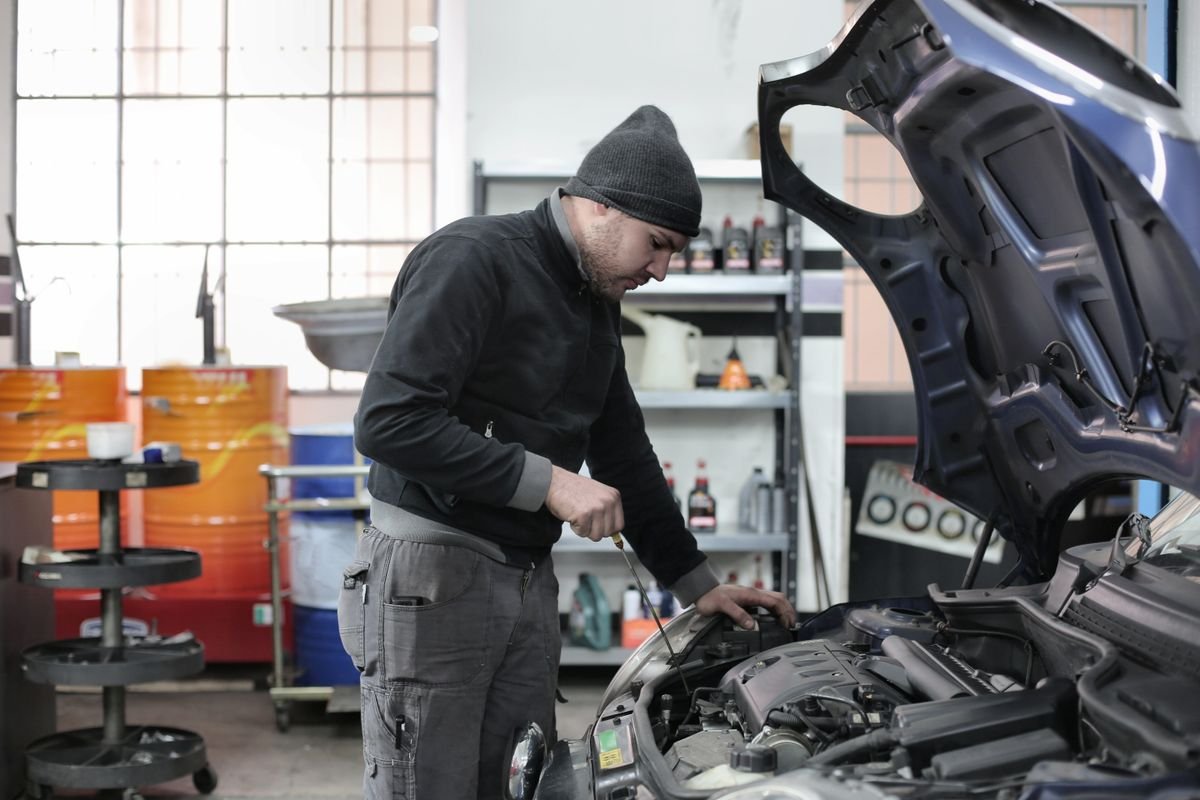
A car pitched as a Central America import, whether from Guatemala, Honduras, Panama, Costa Rica, or El Salvador, is a federal entry and title-brand problem first. Confirm CBP release, EPA Form 3520-1, DOT HS-7, and any registered-importer work before you treat a soft mainland price as a bargain, because most non-U.S.-certified cars from those countries do not clear the border the easy way Canada sometimes does.
Early October 2026 listings still lean on "Panama title," "Guatemala paper," or "Central American import" captions to explain a soft ask. That story is not a shortcut past brands. Central American registration is not a U.S. title, and temporary touring privileges under the Inter-American Convention are not permanent plating authority. Compare this path with our Canada import checklist and the regional siblings for Africa and Mexico when the seller swaps region names without swapping paperwork.
Why Central America is harder than a Canadian Box 2B entry
Canada has a documented personal-use path for many CMVSS cars that are substantially identical to U.S. versions, with a manufacturer compliance letter and EPA codes that CBP recognizes. Central American market cars usually were not built or labeled for U.S. FMVSS or EPA certification. CBP's importing-a-motor-vehicle page is blunt: cars that lack the manufacturer's U.S. certification label must be treated as nonconforming, which means a DOT-registered importer, an HS-7 declaration, a DOT bond, and often an EPA independent commercial importer under Form 3520-1. There is no Central America equivalent of Canada's RIV program that turns a provincial plate into an easy U.S. daily driver.
So ask for the entry packet, not the sales pitch. You want copies of the bill of lading, foreign registration, CBP release, HS-7, EPA 3520-1, the registered-importer contract if the car was nonconforming, and any ICI release. EPA's importing vehicles overview names the declarations CBP expects. A dealer who regularly imports should have those papers in the deal jacket. A private seller who only has a mainland reprint and a story about "Central American clean title" is selling romance.
CBP also notes temporary Inter-American Convention touring privileges for some Central American nationals. That is not permanent plating authority for a marketplace VIN on a mainland lot.
Title brands, flood geography, and history gaps
Once a salvage, flood, junk, rebuilt, or gray-market brand enters NMVTIS, it is meant to travel with the VIN even when contemporary paper looks quieter. The Justice Department's NMVTIS consumer page exists because shoppers still get burned by brand washing. Texas lists a Gray Market brand that can block titling for vehicles built for outside the U.S.; see TxDMV Title Check. Decode marks with our NMVTIS brand codes explained guide before you fall for a fresh face.
Hurricane and flood seasons hit parts of Central America hard, and cars later show up on mainland lots with thin U.S. service rows. Overseas years often mean missing insurer and auction data until the VIN hits domestic systems. That gap is missing evidence, not proof of a gentle life. NICB's August 2026 flood-season release still points buyers to free VINCheck for insurer-reported total losses and cites a CARFAX estimate of as many as 530,000 flood-damaged vehicles on U.S. roads as of August 2025. Pair any water language with flood title vs salvage title and title washing across state lines.
Blunt risk: wiring a deposit on a "Central America import, clean mainland title soon" caption, then learning your DMV will not plate a gray-market or flood-branded VIN, or that a lender will not fund it. Seller PDFs and cropped screenshots still hide brands a live pull would show. Photograph the dash VIN, door sticker, and title face together, then run the report yourself.
Buyer sequence and report pricing
Start with the metal VIN and a live CARFAX plus AutoCheck when you can afford the pair. For early October 2026, a single report bought direct is usually $39.99 to $44.99. We are a licensed reseller, not affiliated with CARFAX, AutoCheck, or Experian, and our checkout has been landing near $5.50 guest, $4.50 member, or $6.75 for both brands together. Confirm the cart before you pay, because those numbers move. Match characters character-by-character to every document in the import file.
- Demand HS-7, EPA 3520-1, CBP release, and RI/ICI paperwork when the car was nonconforming.
- Run NMVTIS plus NICB VINCheck; read every brand before you negotiate.
- Call your state DMV and your insurer about plating and binding this exact VIN.
- Schedule an independent PPI that includes flood-cavity and electrical checks if storm geography is in the story.
- Walk if the seller blocks a live pull or cannot produce a readable title trail from Central American origin to the mainland.
Honestly, country-name Mad Libs do not change the checklist. Panama, Honduras, and Guatemala all still need federal compliance plus a brand read. Related Caribbean and Gulf paths sit in our Dominican Republic and Puerto Rico posts when the seller rotates the map. Sleep on any same-day wire rush. Keep the folder boring: live report PDFs, NMVTIS screenshots, entry forms, and a hard no on mystery Central America VINs priced like ordinary domestic clean titles.
Comments (0)
No comments yet. Be the first to share your thoughts!
Log in to leave a comment.