
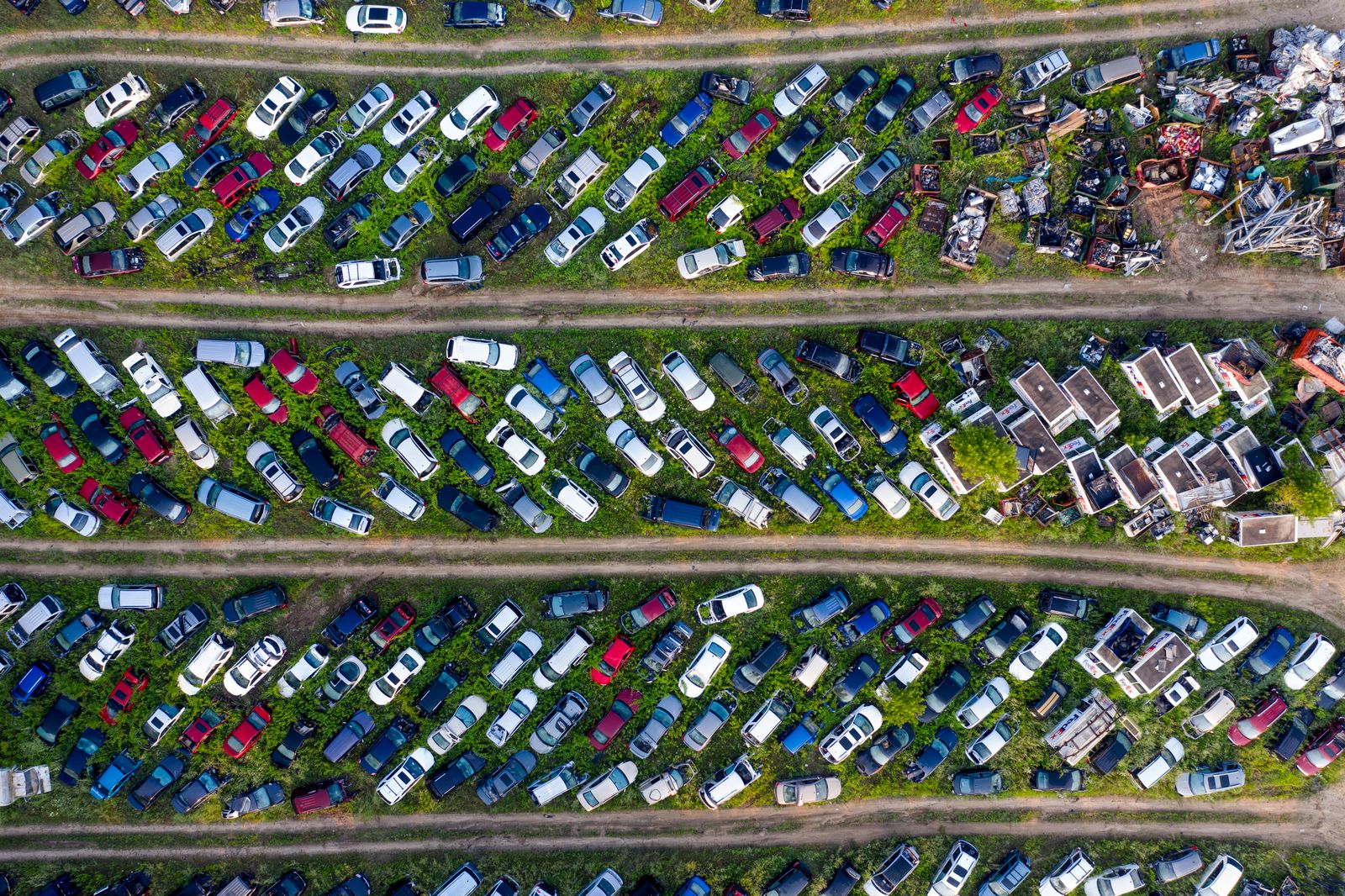
Colorado buyers chase “hail salvage” listings every storm season — then learn the state’s salvage definition often excludes hail. That does not mean the car is unmarked in history databases or that repair quality is honest.
Late September 2026, Front Range inventory still carries summer storm DNA: roof dimples under fresh paint, ADAS cameras recalibrated (or not), and sellers who say “Colorado doesn’t salvage for hail.” We’ve compared clean-looking Colorado titles to CARFAX and AutoCheck rows that still showed insurance total-loss or prior out-of-state hail brands. Title language and history-report language are not the same checklist.
Late September 2026 pricing still wobbles in public: official CARFAX/AutoCheck retail singles are commonly quoted around $39.99–$44.99 depending on the cart (confirm at checkout). Through our licensed reseller checkout, guest reports are about $5.50, member about $4.50, and the CARFAX+AutoCheck bundle about $6.75; credit packs often start near $3. Confirm what your cart shows before you pay. We are not affiliated with CARFAX, AutoCheck, or Experian — we resell official reports.
What Colorado’s salvage definition actually excludes
Look: Colorado’s salvage-vehicle materials define salvage around collision, fire, flood, and similar damage when repair costs exceed retail fair market value — and they explicitly call out hail as excluded from that salvage definition. Colorado’s Division of Insurance FAQs repeat the same point for owners fighting salvage paperwork after a hail total. So a Front Range hail total can keep a clean Colorado title face while the market and the history file still know something expensive happened. Pair this with hail alley used-car checks and Oklahoma hail salvage patterns so you do not import another state’s brand habits blindly.
Here’s the catch. Out-of-state hail salvage brands still travel. A car that flooded or crashed elsewhere can also wear Colorado salvage or rebuilt-from-salvage stamps that have nothing to do with hail. Read every jurisdiction and brand on the PDF, not just the word hail.
Buyer checklist after Front Range storms
So pull your own official CARFAX or AutoCheck on the VIN stamped in the door, not a seller JPEG from June. Match roof skin, glass etch, panel gaps, and camera/radar mounts to the damage story. Ask whether sensors were recalibrated after glass and roof work. Blunt risk: paying near clean-title money for a car that already collected a total-loss check even if Colorado never printed “salvage” for hail.
Honestly, lenders and insurers still price risk from history rows and photos, not from your Ctrl+F for the word salvage. Related reading: insurance after salvage/rebuild and hail damage on CARFAX.
- Confirm current title brand and every prior-state brand on the report.
- Inspect roof, hood, glass, and ADAS mounts in daylight — not under dealer LEDs alone.
- Ask for repair invoices and calibration printouts, not just “we fixed the dings.”
- Call your insurer and lender with the VIN before you fall in love with the discount.
Common Front Range listing traps
Sellers lean on “Colorado doesn’t brand hail” as if that erases dents, prior claims, or out-of-state salvage. Your counter is a fresh dated PDF plus a mechanic who will sight the roof line and check for filler. We’ve seen listings that never mention storm damage while the report shows a large comprehensive claim week after a named hail week.
Pressure phrases about another buyer waiting pair badly with missing invoices. Slow is a feature when paint thickness and sensor aim are part of the price.
How to negotiate Colorado hail inventory
Price residual risk: unfinished paint work, future glass failures, and ADAS headaches. A deep discount can still be rational if you inspected the structure and you accept cosmetic leftovers. A shallow discount on a “clean title” hail survivor is how buyers overpay for someone else’s insurance math.
If the car hopped in from Kansas, Nebraska, or Oklahoma after storms, compare brand habits with Kansas–Missouri hail salvage and Nebraska hail title brands. Same weather belt; different paperwork.
Bottom line: Colorado’s hail exclusion is real statute language, not a free pass. Read the title, read the history, inspect the roof, then decide whether the price covers what the storm and the shop left behind.

Comments (0)
No comments yet. Be the first to share your thoughts!
Log in to leave a comment.