

If you found an accident on CARFAX after buying and the dealer never mentioned it, your options come down to three facts: whether the crash happened before your sale date, whether the dealer knew about it, and what your state law and your own contract say. Pin down the accident date, save every document you have, and send the dealer a written demand before you even think about court. The "As Is" box on your paperwork makes it feel hopeless. Often it isn't, but the paper trail thins out every week you wait.
Confirm the accident happened before you bought the car
A nondisclosure complaint only works if the event date on the report is earlier than the date on your contract, so check that first. Reports lag. AAA's guide to what history reports leave out says reporting delays can keep new entries off a report, and it gives the exact example of a recent accident that had not shown up yet when the car was sold. So the dealer may honestly have pulled a clean report when it took the car in.
Lay three dates side by side: the accident date on your new report, the run date printed on the dealer's copy, and the date you signed. We've seen dealer packets carry a report that was months old by delivery day, which matters a lot here. Our post on how long police reports take to reach CARFAX explains the lag. Save the new report as a PDF the day you pull it.
Work out what the dealer knew
Most disclosure rules turn on what the dealer actually knew, so your next job is collecting proof of that. A car bought at a wholesale auction usually arrives with a condition report and announcements, and our guides on Manheim auction announcements and how dealers use CARFAX and AutoCheck cover what those papers tend to say. If the dealer's own printout, a listing photo, or a reconditioning invoice shows the damage, that is your strongest evidence.
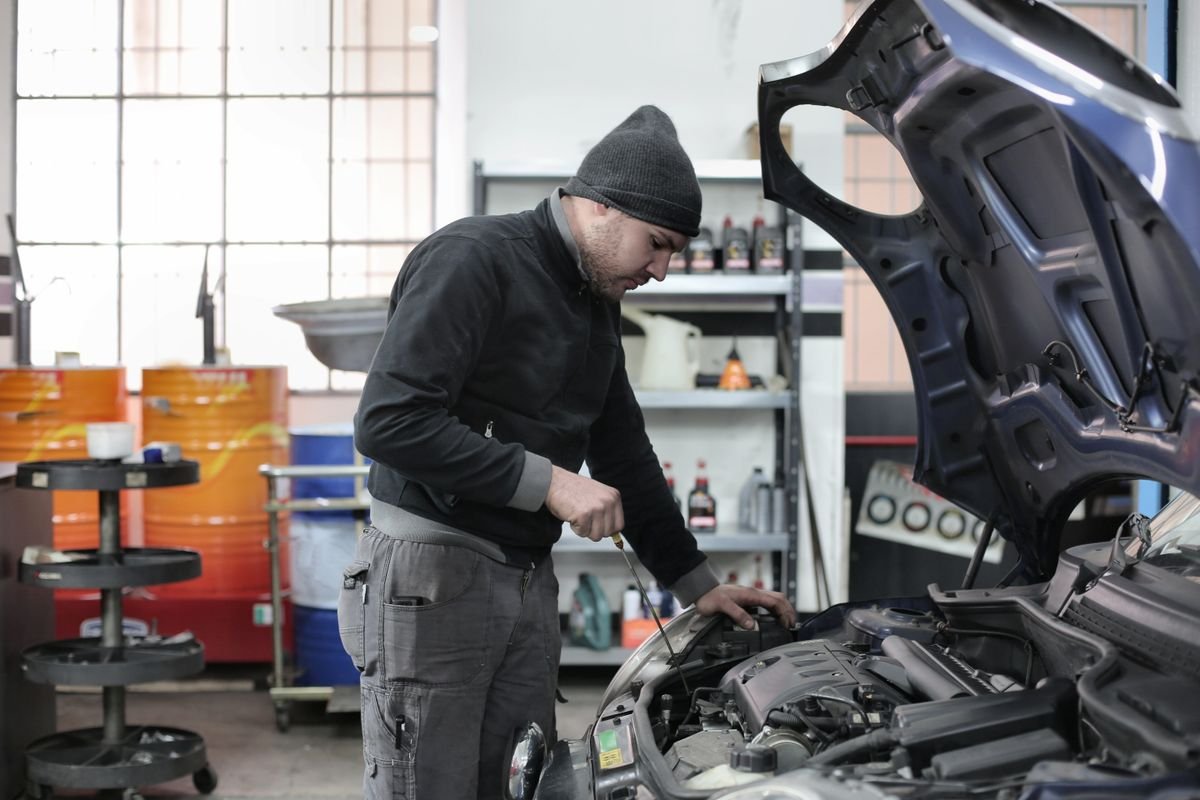
Then get the car looked at by a body shop or inspector who doesn't work for the dealer. Consumer Reports says body or interior panels that look too new, or that are a slightly different color or texture, may have been replaced after a crash, and electrical faults like failing wipers or window switches can point to collision damage. Ask for a written note with photos saying whether the repair looks like crash work and whether it reached the frame or structure.
What the law actually makes a dealer disclose
No single federal rule forces a dealer to hand you a car's accident history, and state rules are narrower than most people expect. The FTC Buyers Guide deals with warranties and as-is sales, and the FTC tells shoppers to ask their state attorney general which disclosures apply to as-is sales.
Two state examples show how much the rules vary. California's damage-disclosure chapter makes dealers disclose known "material" damage in writing, defined as repairs costing more than 3 percent of MSRP or $500, whichever is greater, or any damage to the frame, drivetrain, or suspension. Honestly, though, those sections are written for new and previously unregistered vehicles, so they won't cover most used-car sales. Section 9993 of the same chapter says nothing in it permits a dealer to answer a buyer's question in an untrue or misleading way. Minnesota sets a much higher bar. A seller has to disclose damage over 80 percent of the car's actual cash value if they actually know about it, and licensed dealers must also disclose known title brands in writing.
So in a lot of states the stronger claim is about what the dealer told you rather than a disclosure statute. If you asked about accidents and got a no, or the ad said "accident-free," write down who said it and when, and screenshot the listing before it disappears. A consumer attorney in your state can tell you whether that counts as misrepresentation.
Put your demand in writing
Send the dealer a dated email or letter, addressed to the general manager, that names the accident, gives the dates, attaches your evidence, and says what you want. That might be unwinding the sale, a buyback, paid repairs, or cash for the value the car lost. Our diminished value guide explains how that lost value is usually figured. Look, read any release word for word before you sign it, because a quick check from a dealer can end your claim for good.
Where to escalate if the dealer stalls
If the dealer stalls, the FTC's dealer-buying page lists the next steps in order. Contact your state attorney general, use a dispute resolution program if your warranty requires one, and consider small claims court, where the clerk can tell you your state's dollar limit. If a written warranty was broken, the federal Magnuson-Moss Warranty Act lets you sue and, if you win, recover reasonable attorneys' fees and costs. Check your contract for an arbitration clause too.
Complaints add up. In February 2026, Patch reported that New Jersey's Attorney General had won a final judgment of more than $840,000 against Federal Auto Brokers, which does business as BM Motor Cars in Rahway. The court found the dealer withheld critical information, including gray-market status, odometer readings, and certain known defects, and the state sued after dozens of complaints. On September 30, 2026, the Irish Times covered a Dublin dealer and salesman convicted after selling written-off cars. One buyer had been handed a vehicle report showing no alerts, and he only learned the car was a recorded write-off when his insurer told him. A report supplied by the seller proves nothing, which is why our seller-provided CARFAX red flags list exists.
If you financed through the dealer
If the dealer arranged your loan, the FTC's Holder Rule may let you raise the dealer's conduct against the lender too. The FTC explains that when a dealer sells your credit contract to a lender and the dealer committed fraud or misrepresentation, you can raise that conduct as a defense when the lender demands payment. The FTC's advisory opinion adds that the required contract notice caps what you can recover from the lender at the amounts you paid under that contract. Don't stop paying to make a point, though. Missed payments can bring repossession while the dispute drags on.
Pull your own reports, now and next time
Your own dated reports are what a dealer, an investigator, or a judge will look at, so pull them now, in early October 2026, not next month. Running both brands shows whether the accident appeared in one database or both, which helps show what the dealer could have known, and our CARFAX vs AutoCheck comparison explains why they sometimes disagree. Retail single reports still run about $39.99 to $44.99 depending on the checkout. We're a licensed CARFAX and AutoCheck reseller, and guest reports here have been about $5.50, member reports about $4.50, and the CARFAX plus AutoCheck bundle about $6.75. Prices change, so confirm at checkout. We're not affiliated with CARFAX, AutoCheck, or Experian, and nobody legitimately gives away full official reports for free.
Next time, run the report yourself before you sign instead of trusting the lot's copy. The FTC also says a history report is no substitute for an independent inspection, since it may list accidents but usually won't list mechanical problems. Our PPI vs CARFAX breakdown covers what each one catches before the money changes hands.
Sources
- FTC, Buying a Used Car From a Dealer
- FTC, Holder in Due Course Rule and auto dealers (press release)
- FTC, Holder Rule advisory opinion (PDF)
- California Vehicle Code 9990-9993, Disclosure of Damage
- Minnesota Statutes 325F.6641, Disclosure of Vehicle Damage
- Consumer Reports, How to Avoid Hidden Damage on a Used Car
- AAA, Vehicle History Reports: What They Don't Tell You
- Patch (February 2026), NJ Attorney General judgment against Rahway dealer
- Irish Times (September 30, 2026), dealer convicted over written-off cars

Comments (0)
No comments yet. Be the first to share your thoughts!
Log in to leave a comment.