
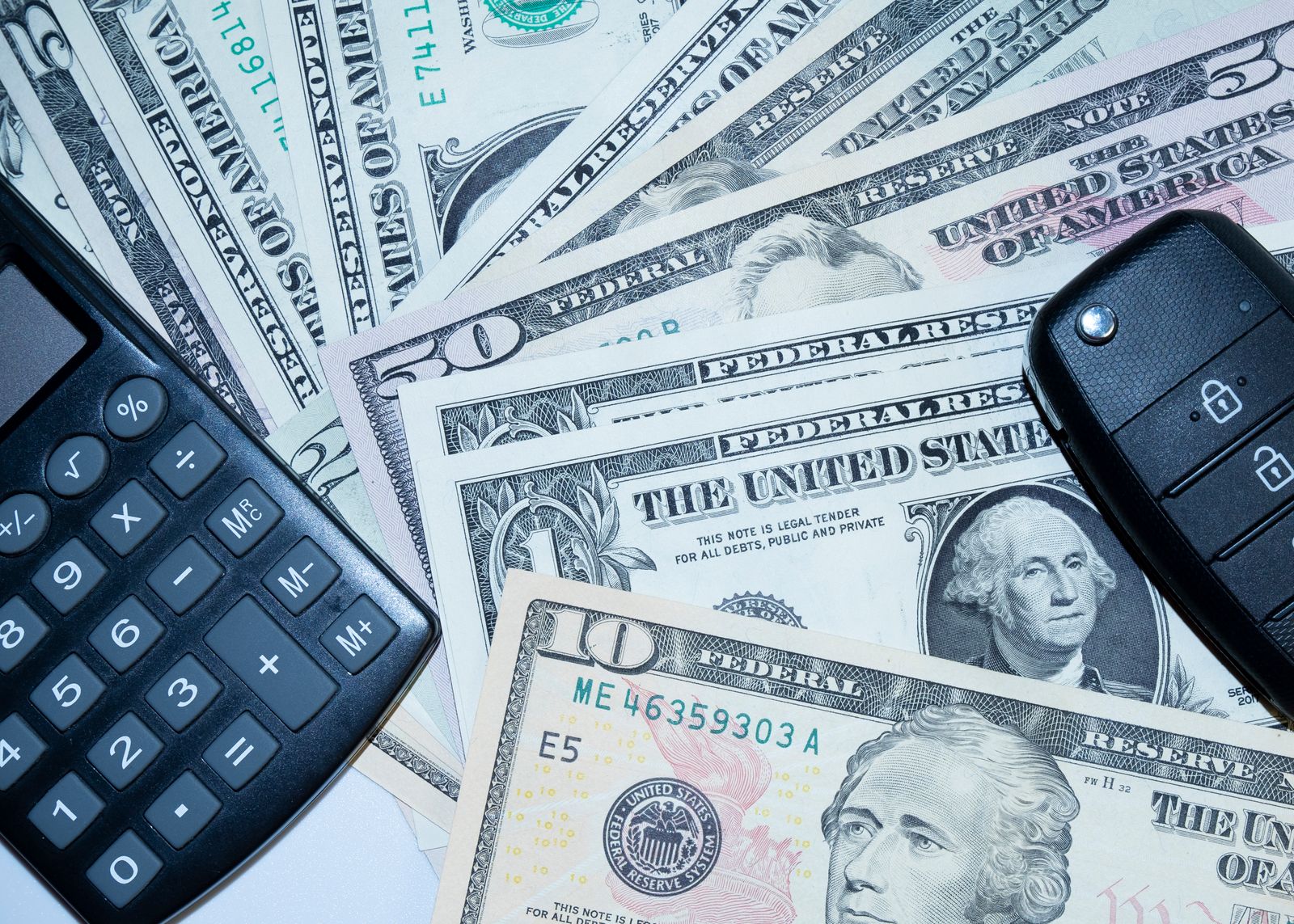
You can finance a car bought at auction, but almost never at the auction itself, and the money usually has to be lined up before you bid. Public auctions typically want a deposit up front and full payment by the end of the sale day or within a day or two, in certified funds. Bank and credit union auto loans often exclude salvage, rebuilt and other branded titles, so for a lot of auction cars the realistic options are cash, a personal loan, or a preapproval you have confirmed in writing will work for an auction purchase.
I went through auction payment policies and one big credit union's preapproval terms on November 8, 2026, and the timing problem is the part that sinks people. The hammer falls, the clock starts, and the loan officer you emailed last week is not answering on a Wednesday afternoon.
How fast auctions want their money
Every auction sets its own terms, so read the policy for the exact location. Manheim's public auction page is a fair example of the norm: the deposit must be a cashier's check or money order, cash and credit or debit cards are not allowed, and most locations require payment by the end of the day you buy. All sales are "as is, where is" and final.
Manheim Cleveland's public rules get more specific. Bidders bring a $500 deposit in a cashier's check or blank money orders to get a bidder badge, the sale runs Wednesday morning, and the car must be paid in full by 5 p.m. Thursday by cashier's check or money order. Titles are available the day after payment. The same sheet warns that accepted "IF bids" are binding, so you can owe money on more than one car if you are careless. Another Manheim location's public policy notes that when you pay by cashier's check, title and ownership do not pass until the check clears.
That is a day or two to turn a winning bid into certified funds. Most traditional auto loans are not built for that window, especially if the lender wants to see a title or inspect the car first.
Why many auto loans will not touch auction cars
Start with how the paperwork is built. Navy Federal's preapproved loan item is a payment instrument handed to a dealer, and the instructions tell the dealer to fill in the vehicle details, endorse it, and record a first lien in the credit union's favor with the state. A public auction counter is not always set up to do any of that, which is why a preapproval that works fine at a dealership can stall at an auction. Ask your lender exactly who has to sign what, and whether an auction bill of sale is acceptable.
The bigger obstacle is the title. Navy Federal's preapproved vehicle loan instructions, for example, say the preapproval cannot be used where the title shows the vehicle as commercial or for-hire, salvaged, lemon, refurbished or rebuilt. Members who want those vehicles have to qualify for a signature (unsecured) loan or pick another car. The same document caps the loan against the vehicle's NADA retail value: at least 100 percent coverage of the amount financed, and up to 125 percent to cover taxes, title and tags.
That is one lender, and yours may differ, but salvage pools are full of exactly the titles that document excludes. If the car you want has a brand, assume a standard auto loan is off the table until a lender tells you otherwise in writing. Our posts on why salvage title financing gets denied and financing a rebuilt or salvage title car cover the alternatives. Value caps matter on clean titles too; see loan-to-value explained.
Options that actually work
Here is how I would rank them for a typical buyer:
- Cash or savings. Boring, and it fits the deadline perfectly.
- A personal loan funded before the sale. Rates run higher than a secured auto loan, but the money lands in your account and the auction gets a cashier's check. It is also how branded-title buyers usually get around lender title rules.
- A preapproval confirmed for auction use. Some lenders will fund a clean-title car from a public auction; some preapproval drafts are written for dealers. Call, explain the auction, and get the answer in an email.
- Auction-arranged financing. If an auction offers financing through a partner, read the fees and the rate closely before you sign anything at the counter.
Whichever route you choose, shop it early. The CFPB says getting preapproved with several lenders before you shop helps you compare offers, and credit inquiries for the same type of loan generally count as one if they fall within 14 to 45 days of each other. Our guide on auto loan preapproval and vehicle history explains what lenders look at once you pick a car.
Budget the whole bill
Buyer fees, document fees, transport and storage add up fast. Miss the payment deadline and you risk extra charges or losing the deposit, depending on the location's policy, and storage can start adding up while you chase funds. Read our rundowns on salvage auction buyer fees and storage fees after an auction win, then set a ceiling using our bid ceiling method. If your financing has limits, your bid ceiling has to respect them.
Check the car before you check your credit
A loan does not make a bad car better. Before you bid, run the VIN through NHTSA's free recall lookup and pull a history report so you know about title brands, total-loss records and odometer problems that could also kill your financing. Through CarVins you can order CARFAX and AutoCheck reports from a licensed reseller that is not part of, or affiliated with, CARFAX, AutoCheck or Experian. Skip any site promising the full thing free. Our reports usually land at a few dollars each, and you should confirm at checkout since prices are not fixed. Spending that on every car on your list beats owing a personal loan on a flood car.

Comments (0)
No comments yet. Be the first to share your thoughts!
Log in to leave a comment.