
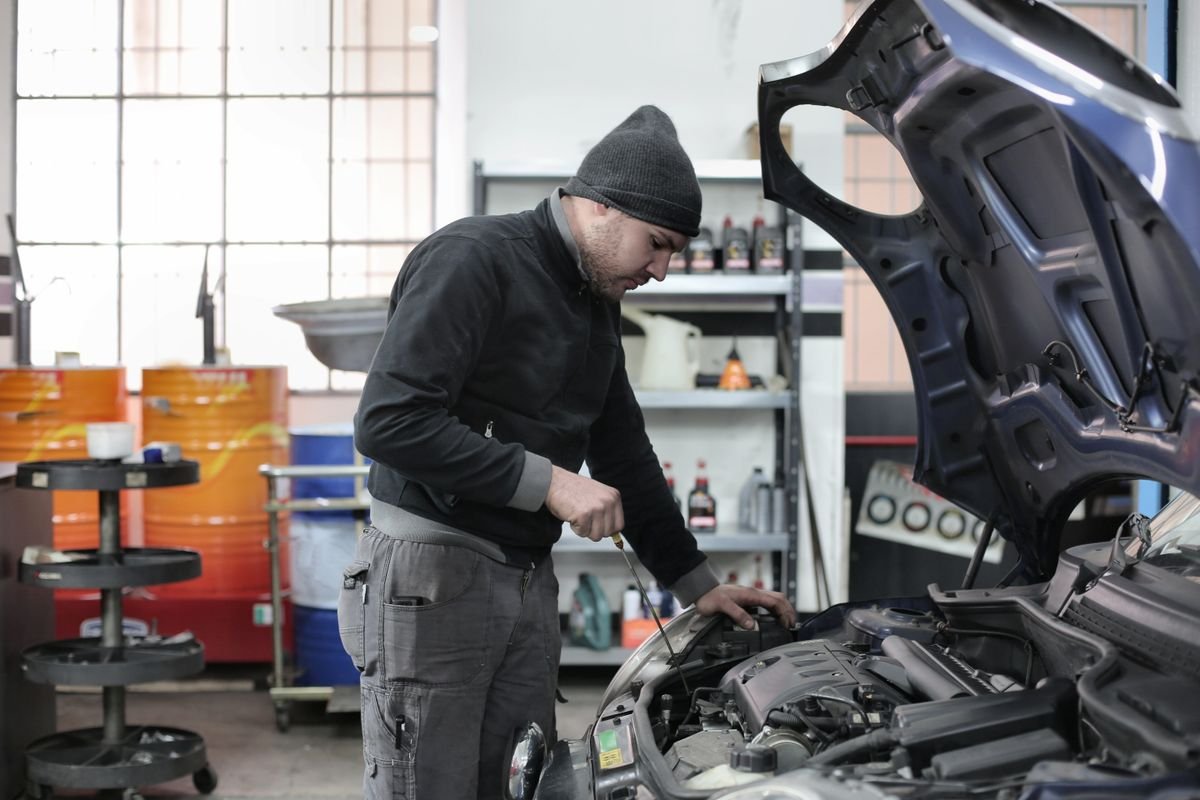
A fire-damage brand on a title is not a Marketplace caption that says “small engine fire, detailed, smells fine.” When a state records fire damage — or when insurers and auctions report a fire total that feeds title branding — you are looking at a permanent signal that heat, smoke, or open flame hit the car hard enough to matter for value, insurance, and safety.
Late September into early October 2026, retail singles still get quoted around $39.99–$44.99 depending on the brand cart — confirm at checkout because the number moves. Through our licensed reseller checkout, guest reports land about $5.50, member about $4.50, and the CARFAX+AutoCheck bundle about $6.75; credit packs often start near $3. We resell official reports and are not affiliated with CARFAX, AutoCheck, or Experian.
We’ve pulled reseller reports where sellers described “just a battery fire” while AutoCheck listed a fire-damage brand and the CARFAX timeline showed an insurance total. Look: AutoCheck’s title-brands glossary treats fire damage as a reportable brand category alongside flood, hail, salvage, and junk. Honestly, ozone machines and new carpet do not rewrite a branded title or magically restore melted wiring harnesses.
What a fire-damage brand actually means
Title brands are official state designations. Neither a private seller nor a reseller invents them. Fire can show up as a specific fire brand, as salvage/total-loss paper after an insurer pays a fire claim, or as related incident language on a history report even when the face of a later title looks quieter after a rebuild. NMVTIS aggregates participating-state brand history so you can catch brands that a single PDF screenshot tries to hide. Related brand reading: branded title vs clean title, what is a branded title, and prior total loss with clean-looking title.
Here’s the catch. Fire damage is uneven. A contained engine-bay fire is a different animal from a cabin fire that cooked airbags, seat frames, and the body control module. Plastic connectors get brittle. Ground straps corrode. Smoke soaks foam for years. So, “it runs” is not the same as “electrical gremlins won’t strand you in six months.” We’ve seen buyers skip a smoke-smell test on a warm day because the seller ran the car with windows down in a cold lot.
Many fire totals travel the salvage→rebuilt path in the state where repairs happen. That means you may see REBUILT or RECONSTRUCTED language plus fire history on the report. Use state-specific rebuilt posts when the title state is clear — for example Texas salvage→rebuilt rules or Florida salvage→rebuilt rules — and still demand the repair photos, not just the brand stamp.
Buyer sequence before you wire money
- Pull AutoCheck and CARFAX the day you negotiate — guest ~$5.50 / member ~$4.50 / bundle ~$6.75; confirm at checkout; retail often $39.99–$44.99.
- Photograph the physical title brand and match it to NMVTIS fire/salvage language.
- Ask for insurer loss photos and a parts list — melted harnesses and modules should show up as receipts.
- Get a PPI that includes under-dash, seat foam, and connector inspections — not a five-minute idle check.
- Call insurer and lender about fire brands early; many decline or surcharge hard.
Blunt risk: wiring a deposit for a “garage fire, fully restored” SUV because the cabin smells like cologne, then discovering the title is salvage-fire and the airbag module was never properly replaced. Related: should you buy a rebuilt title car, NMVTIS vs CARFAX, and title washing across state lines.
Early October 2026 shopping still mixes honest rebuilt fire cars with washed stories that only mention “prior salvage.” We’re a licensed reseller — not affiliated with CARFAX, AutoCheck, or Experian. If the seller only offers a cropped PDF or refuses a live pull, believe the refusal. Confirm checkout prices, keep both history PDFs with title photos, and walk when the fire story and the paper don’t line up.
Also compare fire brands against hail and flood cousins so you don’t treat every brand as the same mechanical risk. Use flood title vs salvage title when water and fire stories get mixed in the same ad. Sleep on any same-day wire rush overnight. Keep the folder boring — live report PDFs, loss photos, module receipts, and PPI notes.
Comments (0)
No comments yet. Be the first to share your thoughts!
Log in to leave a comment.