
Government-use flags on CARFAX mean the vehicle spent time in a public fleet — city, county, state, federal, or similar — not that it was a parade queen or a riot tank. Duty cycles vary from gentle administrative miles to hard police or inspector work.
Late September 2026, we still see sellers either hide government rows or romanticize them as “maintained to the letter.” We’ve opened reports where government service included disciplined maintenance — and others where idle hours and curb damage told a rougher story.
Late September 2026 pricing still wobbles in public: official CARFAX/AutoCheck retail singles are commonly quoted around $39.99–$44.99 depending on the cart (confirm at checkout). Through our licensed reseller checkout, guest reports are about $5.50, member about $4.50, and the CARFAX+AutoCheck bundle about $6.75; credit packs often start near $3. Confirm what your cart shows before you pay. We are not affiliated with CARFAX, AutoCheck, or Experian — we resell official reports.
What the flag usually implies
Look: fleet duty can mean multiple drivers, scheduled service, and different wear patterns than a single commuter. It is closer to commercial/fleet logic than to grandma’s Sunday car. Pair with commercial-use explainers and fleet surplus shopping notes.
Here’s the catch. “Government” is a broad bucket. A library courier car is not a pursuit-rated interceptor. Ask what agency and what role when you can.
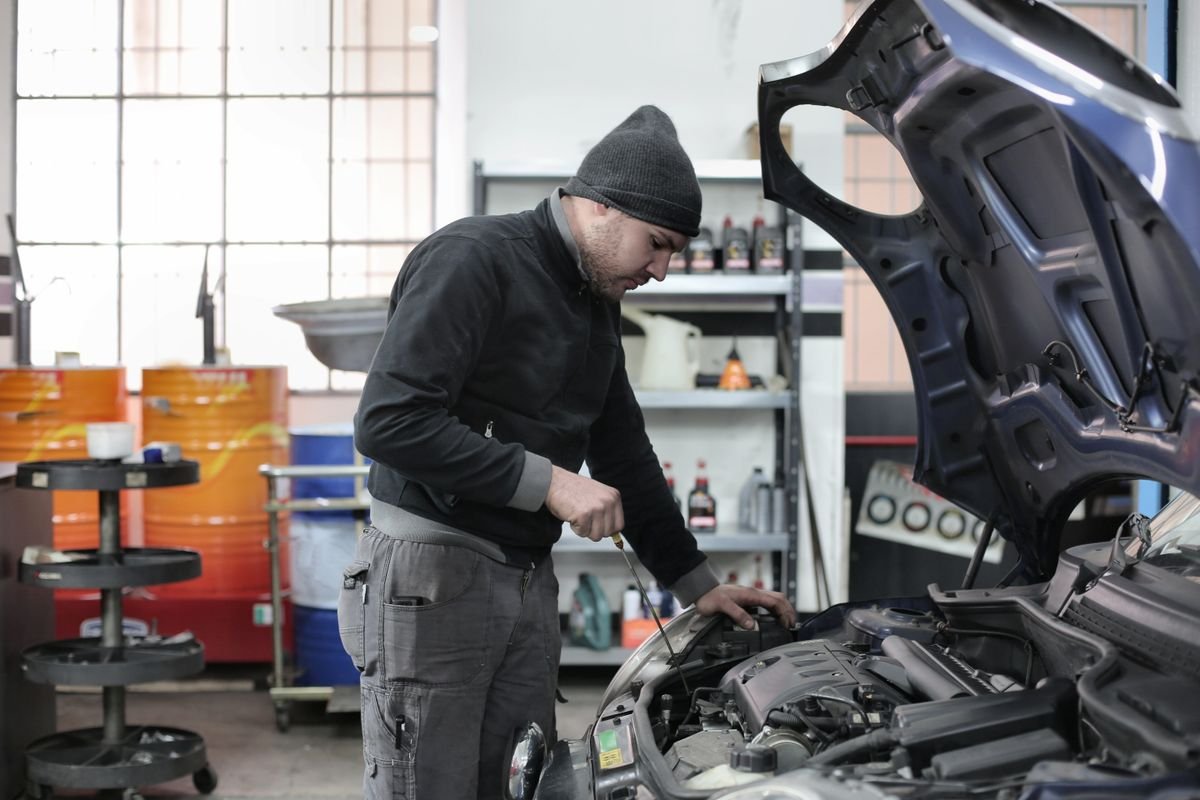
Inspection focus for ex-government units
Blunt risk: paying retail for idle-heavy miles that look low on the odometer. So inspect brakes, tires, suspension, and interiors ruthlessly. Related: ex-taxi checklist contrasts when public-service wear rhymes with taxi abuse.
Honestly, some surplus government cars are excellent buys with fat PM schedules. Some were neglected at end-of-contract. Demand maintenance printouts that match mileage.
- Confirm government/fleet language on your own PDF.
- Ask which agency and typical duty if known.
- Budget PPI for brakes, cooling, and interior wear.
- Check for upfit holes, light-bar mounts, and wiring leftovers.
Seller theater
Cropped PDFs that hide use-type. “One owner” captions that ignore fleet identity. Fresh paint over radio drill holes.
Score comparisons against private-party peers can mislead on fleet vehicles — read AutoCheck range context carefully.
How to decide
Pull CARFAX and AutoCheck the same day. Read use-type, accidents, and service density. Then inspect like a fleet manager. Price the duty cycle.
For neighboring use flags, see taxi vs rental contrasts.
So do not moralize the word government. Price the miles and the maintenance. We’ve recommended ex-admin sedans after PPI and walked from “light duty” stories with pursuit wear.
Archive surplus auction sheets when available — they sometimes narrate equipment removal better than consumer reports.
Government use is a duty-cycle clue. Reports start the story; inspections finish it.
Archive dated PDFs and title photos in one VIN folder before you travel. Listings refresh, sellers rewrite captions, and your memory of what the file showed on Tuesday will not survive a Friday dispute without screenshots.
If the seller needs a wire before you finish inspection and paperwork questions, treat the timeline as the product. Slow deals with documents beat fast deals with stories.
Confirm checkout pricing every time — club offers, partner carts, and brand-site singles still disagree on the $39.99–$44.99 retail band versus reseller guest and member rates near $4.50–$5.50.
Match the seventeen-character VIN on the dash and door sticker to the report header before you negotiate. A beautiful PDF for a neighboring unit is a classic Marketplace trick.
Out-of-state title mailers and lien releases run on clerk calendars, not on your weekend excitement. Price paperwork days into the total cost of the car.
A pre-purchase inspection on a lift answers questions a PDF cannot: fresh undercoating, mismatched panels, and moisture under carpets after a cosmetic detail.
When two ads look like twins, still pull separate reports. Shared photo sets and recycled captions do not create shared histories.
Say any title brand out loud to your insurer and lender early. Verbal “we can probably do it” from a salesperson is not underwriting approval.

Comments (0)
No comments yet. Be the first to share your thoughts!
Log in to leave a comment.