
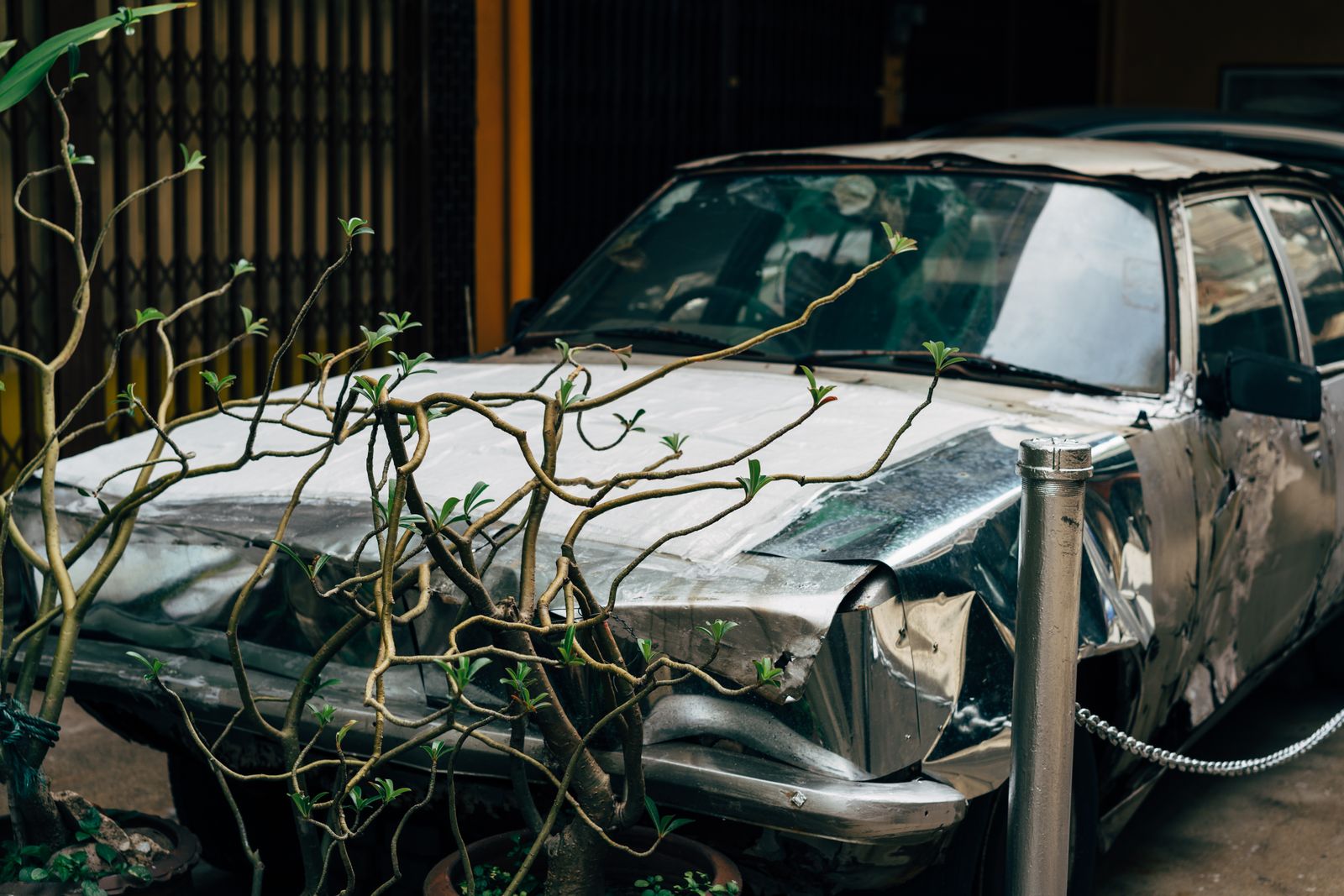
An IAA condition preview is the seller’s description of the car as it sits for this auction: photos, a primary damage line, odometer as entered, and sometimes a run-and-drive claim. AutoCheck is a multi-year history from reported events. They answer different questions, and they are allowed to disagree. Bidding on only one of them is how you buy a surprise.
Late September 2026, we still see bidders treat a clean-looking preview as if it deleted a flood brand in AutoCheck. We’ve also seen the reverse: a grim preview on a car whose older history was ordinary, because the loss that brought it to the yard is the whole story. You read both, then you decide which story costs money.
Shoppers still meet a $39.99 to $44.99 single-report quote on the brand sites in late September 2026. Treat that band as a range with a caveat, not a coupon. Our checkout for the same official products sits near $5.50 guest, $4.50 member, and $6.75 for both reports together, and multi-packs often start around $3 a pull if you actually use them. Look at the total before you pay. We are not affiliated with the bureaus; we are a licensed reseller of their reports.
What each document is for
Look: the preview is current condition as the auction company and seller presented it. It can be wrong, incomplete, or optimistic, and the terms of the sale often limit your remedy. AutoCheck’s score and event list are about records: titles, brands, auctions, odometer readings, and reported damage. Experian’s scoring notes describe a comparison, not a promise that the yard photos are fair. Neither document is a pre-purchase inspection on a lift you control.
Use the preview to estimate parts you can see missing. Use AutoCheck to find brands and older events the preview will not narrate. Then read IAA and history reports and IAA fees plus a report. Lane announcements are a third voice. The score versus similar vehicles matters only after the brand block is empty enough for a score to be relevant.
- Write preview damage and AutoCheck brands in two columns.
- If they conflict, price the worse column.
- Check the VIN in the preview against the VIN plate in the photos.
- Do not treat run-and-drive as a brand eraser.
Conflicts that should change the bid
Here’s the catch. A preview can say minor front damage while AutoCheck shows a prior salvage or flood from a different year. You are buying both the new hit and the old brand. A preview can show a burned interior while AutoCheck is thin because the loss is too new to be in the feed. Thin is not clean. For a fresh loss, the photos are the file, and NMVTIS may update after the sale. Budget as if the brand is coming, because on a total-loss yard it usually is.
So set the ceiling from all-in bid math using the worse document. If flood is in either column, NHTSA’s guidance and the flood-title decision can zero the bid for a normal retail buyer. Copart versus IAA is about fees, not about which preview is more honest.
Preview habits that mislead
Blunt risk: bidding from a thumbnail because the preview “looks fine” and the AutoCheck was “probably the old owner’s problem.” The old owner’s brand is your title. Fake or outdated AutoCheck screenshots in bidder chats are common when the preview is pretty and the history is not. Pull a fresh report yourself. A stale score above the range does not survive a flood line that posted last week.
Honestly, we’ve seen run-and-drive cars that ran long enough to cross the block and not much longer, and stationary cars whose history was the real bargain for a parts buyer. Know which buyer you are before you compare the two documents. A parts buyer can ignore a score. A road buyer cannot ignore a brand.
Order of reading
VIN match, brand block, preview damage, fee schedule, transport, then a written ceiling. If you only have time for one extra click, make it the history report, not a second angle of the same dent. You can see the dent. You cannot see the prior title from a thumbnail.
Keep both files with the invoice if you win. When the car disagrees with the preview, your remedy is the auction’s arbitration rule, not a complaint that AutoCheck should have photographed the yard.
Comments (0)
No comments yet. Be the first to share your thoughts!
Log in to leave a comment.