
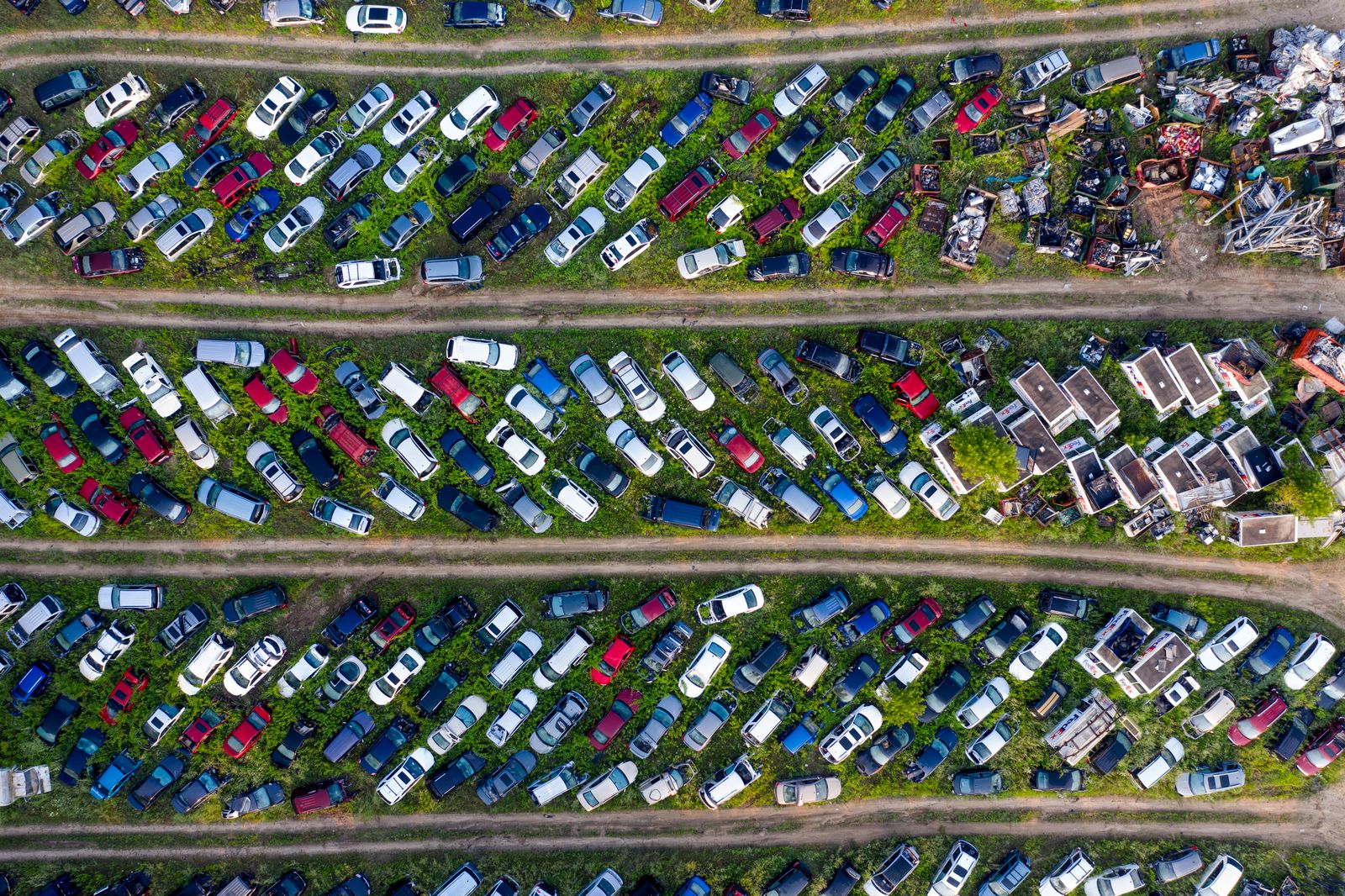
Junk and salvage get tossed around like they’re the same sticker. They’re not. One usually means parts-or-scrap territory. The other means damaged enough that insurers or states treated it as a total-loss candidate — and the rebuild path, if any, is a whole different Monday.
Late September 2026 retail singles still get quoted around $39.99–$44.99 depending on the brand cart (confirm at checkout). Through our licensed reseller checkout, guest reports are about $5.50, member about $4.50, and the CARFAX+AutoCheck bundle about $6.75; credit packs often start near $3. Confirm before you pay. We resell official reports and are not affiliated with CARFAX, AutoCheck, or Experian.
Look: dealers and private sellers sometimes say “salvage” when the paperwork says junk, or wave a “clean-looking” title while the federal brand history still carries ugly labels. We’ve pulled reseller reports where the listing copy and the brand list disagreed hard. Here’s how to sort the vocabulary before money moves.
What NMVTIS means by junk vs salvage
The National Motor Vehicle Title Information System (NMVTIS) glossary draws a hard line. A junk automobile is generally incapable of operating on public roads and has value mainly as parts or scrap. A salvage automobile is damaged — collision, fire, flood, and similar events — to the point that fair salvage value plus repair cost exceeds pre-damage fair market value, or it’s treated as a total loss under insurer or state rules. Those are federal consumer-facing definitions, not a guarantee every state uses identical title stamps on the paper you hold.
So when a seller shrugs and says “it’s just a brand,” ask which brand. Junk and salvage are both brands, and brands stick in NMVTIS once reported. State paper can lag or hop; the commercial timeline on CARFAX or AutoCheck can add auction, insurance, and odometer rows that NMVTIS alone won’t narrate. Pair the federal brand core with a paid report — start with NMVTIS vs CARFAX and what a junk title means if you’re still mapping the words.
Honestly, “can I drive it tomorrow” is the wrong first question. The first question is whether the brand path even allows a normal rebuilt title in your state, and whether lenders or insurers will touch it afterward. Scrap economics and daily-driver economics are different spreadsheets.
Buy decision checklist
- Read the current state title brand and any prior brands on NMVTIS-approved history.
- Pull AutoCheck and CARFAX the same day — guest ~$5.50 / member ~$4.50 / bundle ~$6.75 through our checkout; confirm totals.
- Compare listing language to brands; marketing fluff loses to paper.
- Ask about rebuild docs, parts receipts, and inspection path before you negotiate price.
- Price financing and insurance reality, not just hammer or asking price.
Here’s the catch. A salvage brand can sometimes move toward rebuilt after state inspection rules. A junk designation often signals the vehicle was treated as non-repairable inventory. Crossing those wires is how people bid scrap economics thinking they’re buying a project daily. Related reading: title washing red flags, financing rebuilt/salvage, and fire title brand guide when the damage story isn’t water.
Blunt risk: private ads that say “clean title in hand” while the VIN still carries junk, salvage, or flood history in the report stack. Fake PDFs and cropped screenshots show up in those threads. Live pull. Live eyes. Independent inspection if the car is supposed to drive again.
We’ve seen buyers treat junk vs salvage like a trivia night answer. It’s a money answer. If you can’t explain which brand is on the VIN and what your state requires next, you’re not ready to wire a deposit. Write the brand name on your notes before you talk price, and if the seller talks over the brand, that is your exit cue.
Also remember state vocabulary drifts. One state’s “non-repairable” stamp can map closer to junk intent even when a seller keeps saying salvage because salvage sounds rebuildable at the barbecue. Read the actual brand string on the title and on NMVTIS, not the nickname in the ad headline. When flood is in the mix, overweight moisture inspection even if someone promises a “light salvage.” Water and electrical systems do not care about optimistic nicknames.
If you’re bidding at auction, pair brand reading with lane announcements — Copart announcement codes and check auction history before bidding keep the lane honest. One official report at cheapcarfaxautocheck.com will not rebuild the car for you, but it will stop you from paying daily-driver money for scrap-labeled inventory.
Comments (0)
No comments yet. Be the first to share your thoughts!
Log in to leave a comment.