
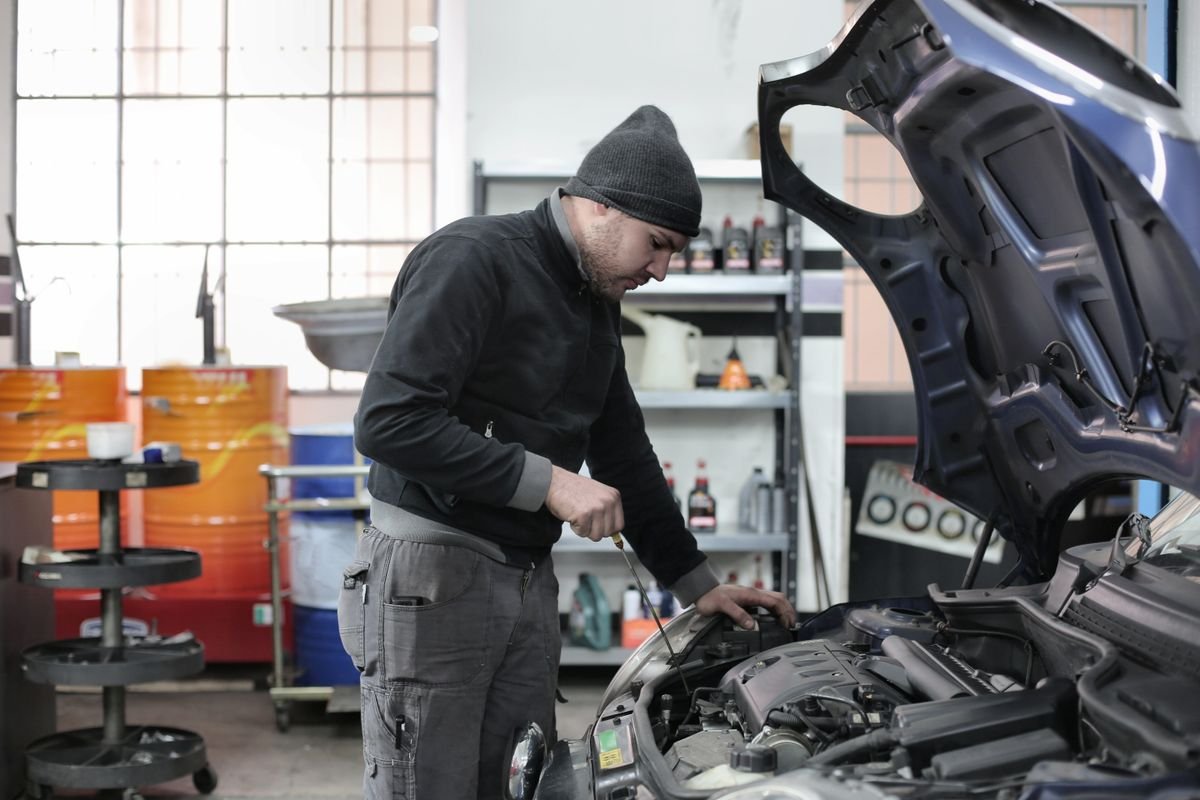
A lemon-law buyback title brand is not a dealer sticker that says “certified, problems fixed, drives like new.” When a manufacturer reacquires a vehicle under a state lemon law (or a related manufacturer repurchase program), many states require title branding, a written disclosure form, or both so the next buyer knows the car came back to the factory after serious warranty defects that weren’t fixed in a reasonable number of attempts.
Early October 2026, retail singles still get quoted around $39.99–$44.99 depending on the brand cart — confirm at checkout because the number moves. Through our licensed reseller checkout, guest reports land about $5.50, member about $4.50, and the CARFAX+AutoCheck bundle about $6.75; credit packs often start near $3. We resell official reports and are not affiliated with CARFAX, AutoCheck, or Experian.
We’ve pulled reseller reports where CARFAX or AutoCheck showed “Manufacturer Buyback,” “Lemon,” or “Reacquired by Manufacturer,” and the seller still tried to talk past it as “just a paperwork lemon, nothing mechanical.” Look: California Civil Code §1793.23 is one of the clearer state examples — it requires manufacturers to brand titles and disclose nonconformities when they reacquire vehicles under the Song-Beverly Consumer Warranty Act. The FTC has long tracked lemon-buyback resale practices because buyers get burned when disclosure is thin. Honestly, “it was a lemon but they fixed everything” without the original complaint list and repair orders is not a buying brief.
What the brand actually signals
Lemon laws differ by state on how many repair attempts, how many days out of service, and what must be disclosed on resale. Some buybacks are pure statutory lemons; others are goodwill manufacturer repurchases that still trigger branding or report flags. History reports may label the event “Buyback/Lemon,” “Manufacturer Buyback,” or similar — related reading: lemon buyback on CARFAX, branded title vs clean title, and what is a branded title. Road & Track’s long-running coverage of what happens after manufacturers buy lemons back still maps to the buyer problem: the car often returns to the used market after repairs, sometimes with remaining warranty, sometimes with a permanent stigma that tanks finance and insurance options.
Here’s the catch. A buyback brand tells you the manufacturer took the car back — it does not automatically tell you whether the defect was brakes, wiring, transmission, or a cluster of intermittent modules. It also does not guarantee the fix stuck. So, you need the manufacturer disclosure packet, the original consumer complaint description, and a third-party PPI aimed at that failure mode. NMVTIS may carry brand language that doesn’t match a seller’s cropped PDF. Use NMVTIS vs CARFAX when the stories disagree.
We’ve seen listings advertise “one-owner” and “clean Carfax” while a second pull showed manufacturer repurchase language buried under older dealer notes. Pull both brands live the day you negotiate. Related trap reading: what CARFAX doesn’t show and prior total loss with clean-looking title.
Buyer sequence before you wire money
- Pull AutoCheck and CARFAX the day you negotiate — guest ~$5.50 / member ~$4.50 / bundle ~$6.75; confirm at checkout; retail often $39.99–$44.99.
- Photograph the physical title brand; match buyback/lemon/manufacturer-reacquired language on NMVTIS.
- Demand the manufacturer’s written lemon/buyback disclosure and the original defect description — not a verbal “it was fixed.”
- PPI aimed at the disclosed systems; scan for related TSBs and open campaigns on NHTSA.
- Call insurer and lender early — some decline buyback brands or price them like salvage cousins.
Blunt risk: wiring a deposit for a “certified pre-owned feel, previous lemon but repaired” because the cabin smells like new leather, then discovering the transmission complaint that triggered repurchase still throws codes after a short highway run. Related: should you buy a rebuilt title car for the broader branded-title pricing problem, even though lemon buybacks are not the same as crash salvage.
Early October 2026 used inventory still mixes true statutory lemons, goodwill buybacks, and sellers who treat the brand as a footnote. We’re a licensed reseller of official reports — not affiliated with CARFAX, AutoCheck, Experian, or any manufacturer. If the seller only offers a cropped PDF or refuses a live pull, believe the refusal. Confirm checkout prices, keep both history PDFs with the disclosure packet, and walk when the “it’s fixed” speech and the buyback paperwork don’t line up.
Also remember disclosure still matters when you sell later — many states require you to pass the lemon/buyback notice forward. Sleep on any same-day wire rush overnight. Keep the folder boring — live report PDFs, manufacturer disclosure pages, PPI notes aimed at the original defect, and a hard no when the seller won’t name what failed.
Sources
- California Civil Code §1793.23: Lemon buyback title branding / disclosure
- FTC: Lemon buyback practices (historical consumer-protection focus)
- Road & Track: What happens to lemon-law cars after buyback
- Edmunds: Used-car lemon law overview
- AutoCheck: Title brands overview
- NMVTIS for consumers
- NHTSA: Recalls lookup
- YouTube: Check NMVTIS before you buy
Comments (0)
No comments yet. Be the first to share your thoughts!
Log in to leave a comment.