
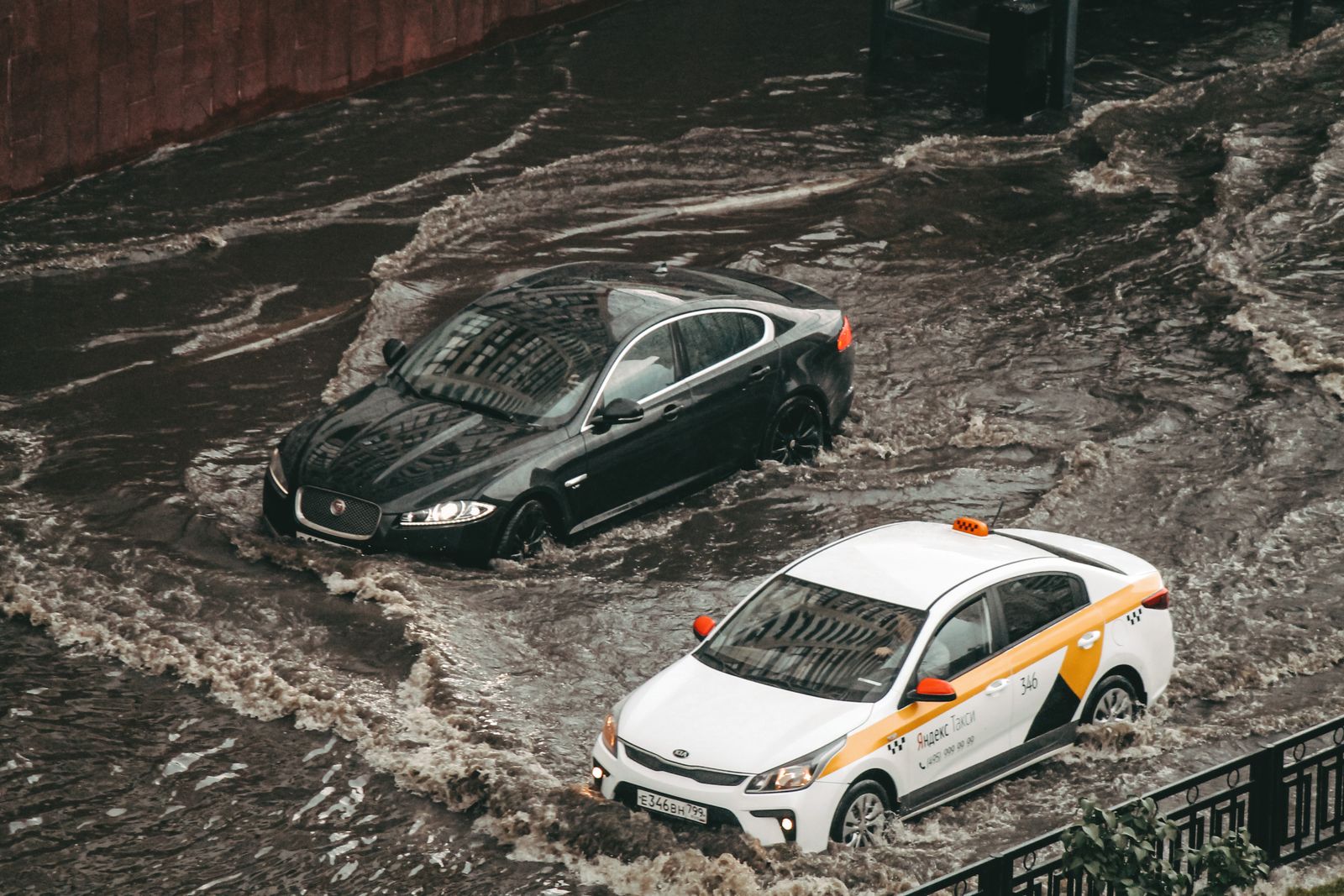
NYC-metro used-car shopping after surge, nor’easter, and flash-flood events is a VIN-first problem — titled brands and moisture tells beat a Brooklyn curb photo with fresh tires.
Late September 2026, we still see metro-area bargains that quietly spent prior lives in water, then reappear with detailing and soft captions. We’ve compared seller JPEGs to fresh pulls and found flood or salvage rows cropped away. Density and storm history make water risk ordinary.
Late September 2026, official CARFAX and AutoCheck retail singles still get quoted around $39.99–$44.99 depending on the cart (confirm at checkout). Through our licensed reseller checkout, guest reports are about $5.50, member about $4.50, and the CARFAX+AutoCheck bundle about $6.75; credit packs often start near $3. Confirm what your cart shows before you pay. We resell official reports and are not affiliated with CARFAX, AutoCheck, or Experian.
Why New York metro shoppers need a flood-first checklist
Look: coastal, tunnel, and inland flood corridors recycles water-damaged cars into ordinary classifieds with soft language like “needs TLC” or “clean title, priced to move.” NHTSA warns that flood-damaged vehicles can present long-term electrical and safety risks. Consumer Reports and USA Today keep documenting how storm cars migrate inland and into neighboring metros. A local zip code on today’s listing does not prove the car lived a dry life. Coastal surge, subway-adjacent flooding, and inbound storm cars from other Atlantic events all feed the same classifieds.
Here’s the catch. Title brands help when states apply them, but uninsured floods and incomplete disclosure still create quiet cars. Your stack is a fresh official history report, NMVTIS-aware skepticism, a flood-focused PPI, and daylight inspection for silt, musty carpet, fogged lamps, and fresh under-carpet fasteners. Honestly, if a seller blocks any of those steps, the discount is bait. Related reading on this site includes Baltimore flood salvage, nor’easter flood cars, and Charleston flood buying.
Pair multi-state title literacy (NY/NJ/CT brands travel) with a PPI that assumes humidity and intermittent electrics. Out-of-state hops after named storms deserve extra scrutiny.
- Match dash VIN, door sticker, and report header character for character.
- Reject cropped seller screenshots; buy or open a full official PDF.
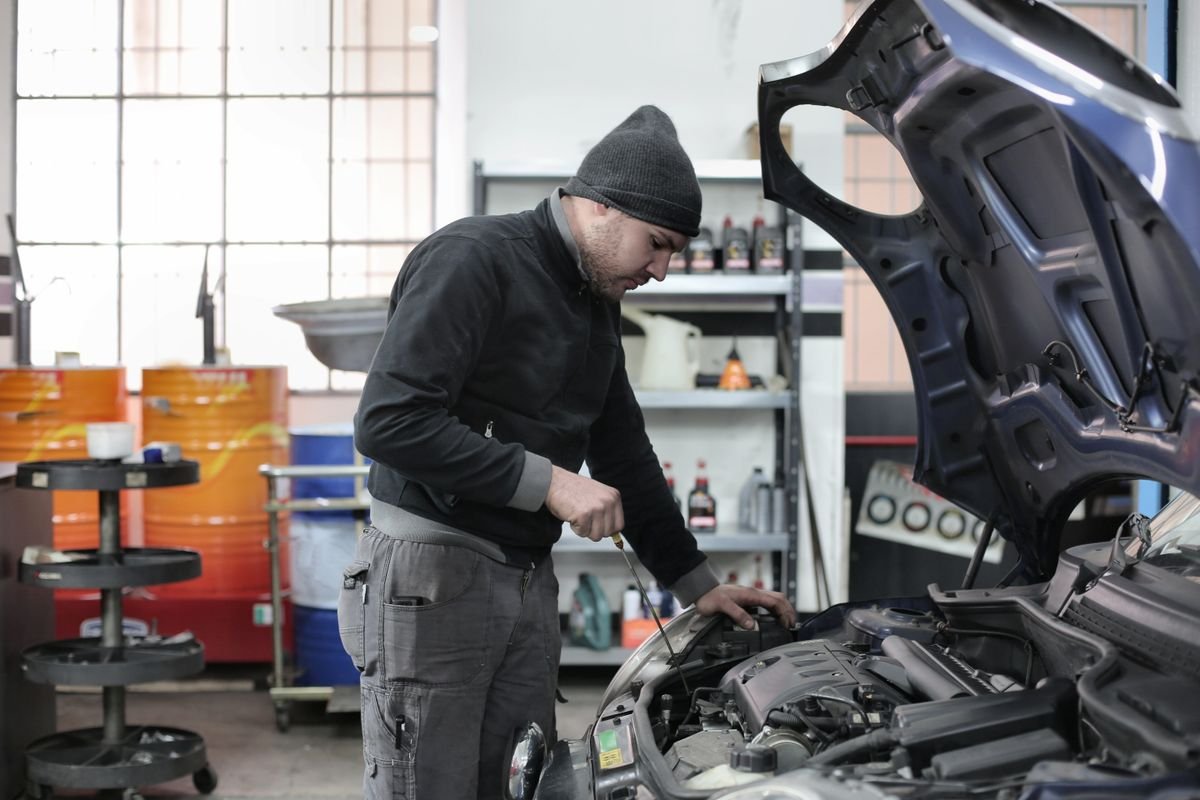
- Inspect for moisture, silt, rust in odd places, and electrical gremlins.
- Ask insurance whether they will cover this VIN before you fall in love.
- Keep deposits tiny until paperwork and PPI clear.
Step-by-step before you travel to see the car
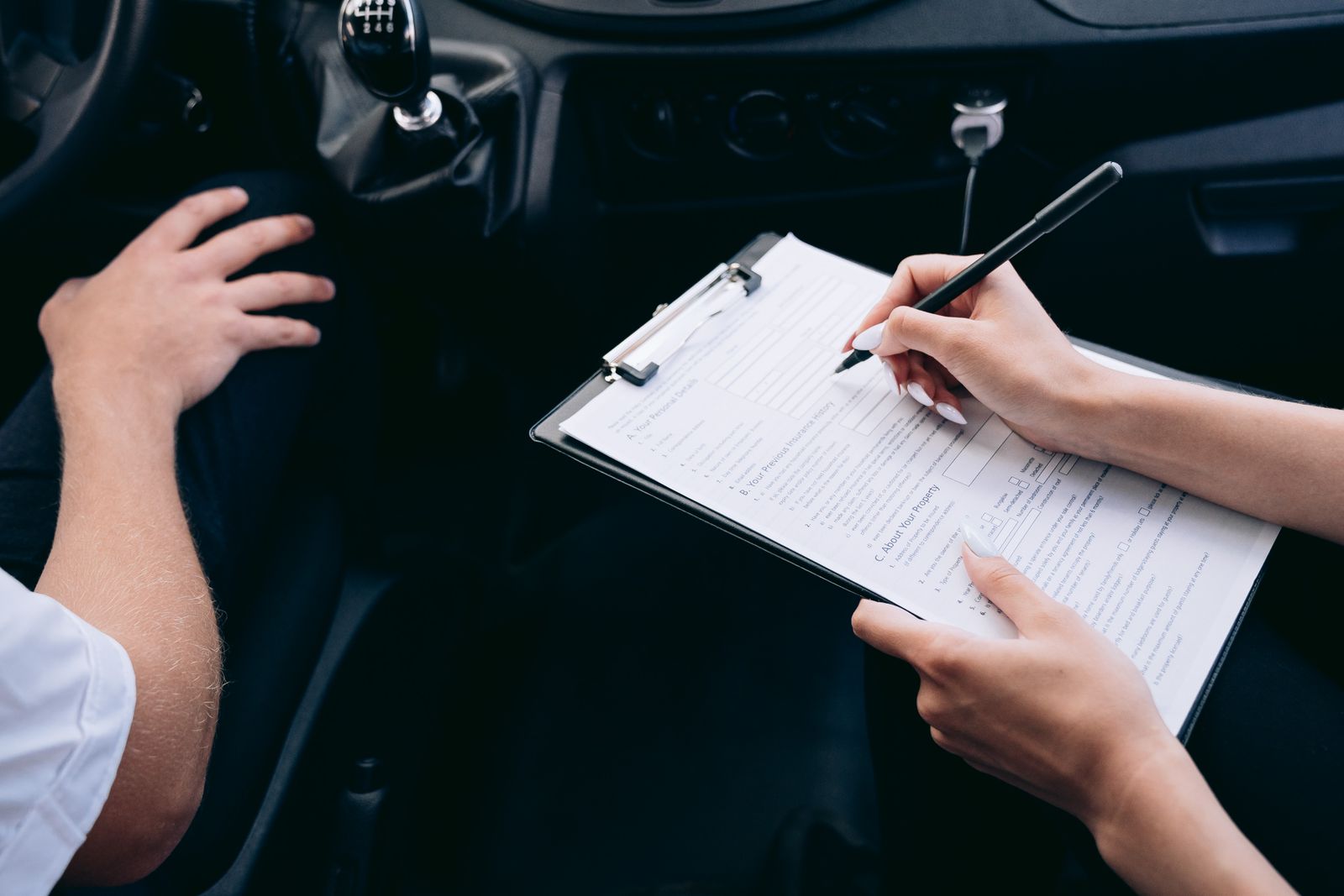
So get the VIN in writing first. Pull CARFAX and AutoCheck the same day. Read title brands, salvage/flood notations, auction rows, and the registration timeline for hurricane and inland flood windows. If the car hopped states right after a major storm, raise your scrutiny even when the brand section looks empty. Send the PDF to your inspector before you burn a Saturday on a long drive.
Blunt risk: wiring money because the seller “already ran Carfax” and will not let you run a fresh pull timed to the meet-up. Feeds update. Fake PDFs exist. Your own checkout is cheaper than a surprise brand. Edmunds’ flood-avoidance guidance and KBB’s history-report primers rhyme with the same order: database, eyes, mechanic, then money.
Tri-state paperwork habits
Ask for the title early and read every brand line. Pull both history reports. If the car hopped from a coastal county after a surge year, raise the bar even when today’s registration looks local.
Private sellers who refuse a PPI or a fresh report in a five-borough parking hunt are selecting for haste. Slow is cheaper than a flooded module farm.
We’ve walked New York metro shoppers through reports that looked calm until an older out-of-state flood row appeared after a refresh. Time matters. Pull again if the listing ages. Archive PDFs with dates in the filename so you are not arguing from memory later.
If financing is in play, remember flood and rebuilt brands change lender appetite fast. Call the desk with the brand spelled out before you bid. Cash does not erase physics — it only removes the bank’s veto.
Storm headlines fade. VINs keep résumés. Buy the report, crawl the car, then talk price.
We’ve compared twin listings with similar photos where only one VIN carried the ugly brand or auction row. Separate pulls beat twin ads.
Photograph the dash VIN, door sticker, and odometer before you negotiate. Your camera roll anchors the PDF to the metal when memories get fuzzy.
Comments (0)
No comments yet. Be the first to share your thoughts!
Log in to leave a comment.