
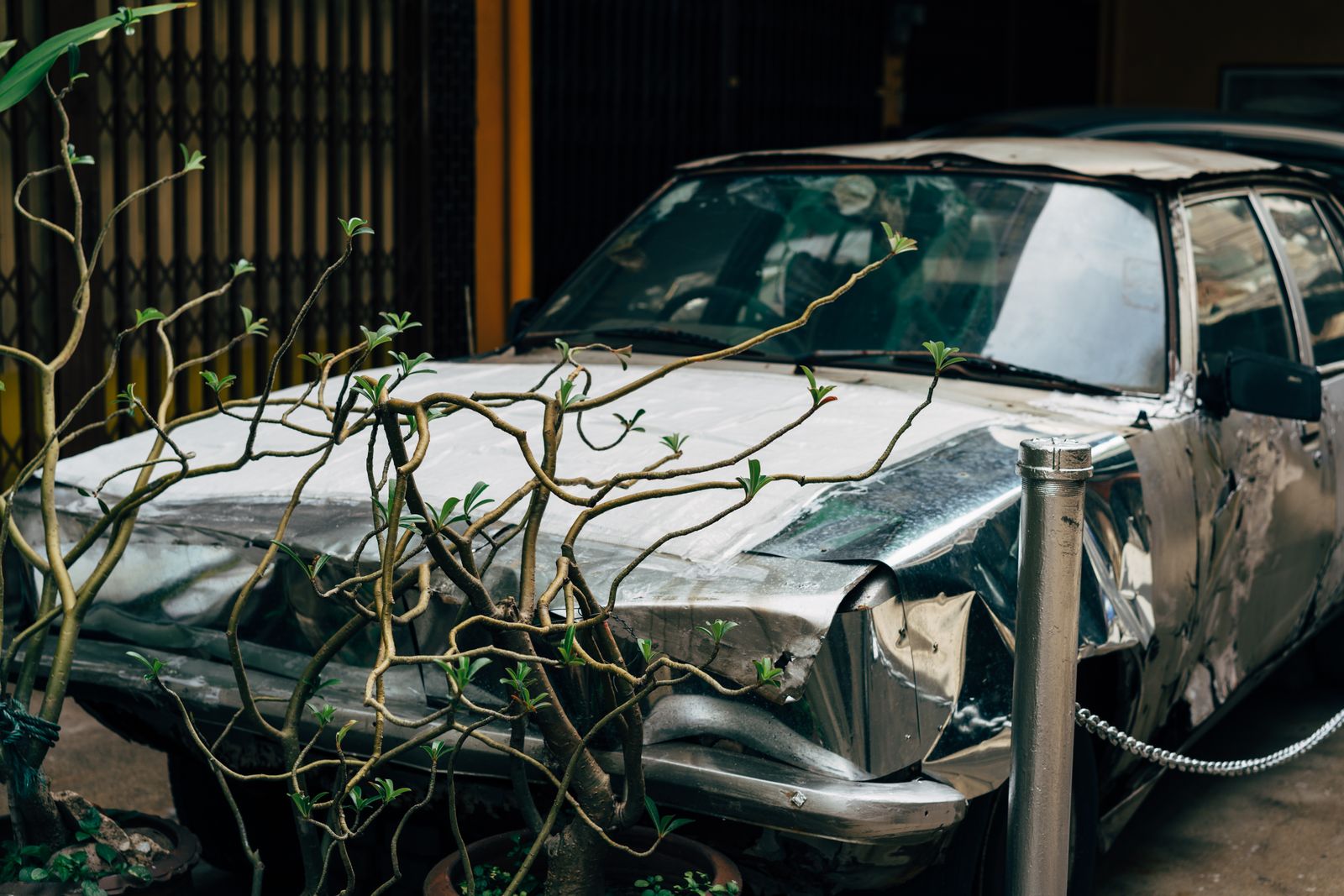
Salvage auction photo packs can show crumpled rails and water lines a later “clean-looking” consumer history report never renders in pictures. When a VIN has auction DNA, images and official reports answer different questions — you usually need both.
Late September 2026, we still see rebuilt cars listed with friendly CARFAX captions while older Copart stills show airbags hanging and mud in the cabin. We’ve ended deals with a photo archive the seller hoped nobody would find.
Late September 2026 pricing still wobbles in public: official CARFAX/AutoCheck retail singles are commonly quoted around $39.99–$44.99 depending on the cart (confirm at checkout). Through our licensed reseller checkout, guest reports are about $5.50, member about $4.50, and the CARFAX+AutoCheck bundle about $6.75; credit packs often start near $3. Confirm what your cart shows before you pay. We are not affiliated with CARFAX, AutoCheck, or Experian — we resell official reports.
What photos catch that prose misses
Look: high-resolution lane photos document damage extent at a moment in time. CARFAX/AutoCheck document brands, events, and ownership. Pair Run and Drive realities with auction-photo tools vs CARFAX roles.
Here’s the catch. Photos can be incomplete or from a different angle after teardowns. Reports can lag. Neither replaces a current PPI.
How to hunt and use image history
Blunt risk: believing a tidy consumer PDF after a hard auction life. So search prior auction images, pull official reports, and inspect. Related: announcements vs reports.
Honestly, some auction cars rebuild cleanly. Some hide kinked frames under fresh paint. Images set your suspicion level; lifts confirm it.
- Pull CARFAX and AutoCheck first.
- Search auction photo history for the VIN.
- Compare damage in photos to today’s structure.
- Budget specialist PPI for prior heavy hits.
Seller tactics
Cropped consumer PDFs. Claims that photos were “a different car.” Refusal to let you verify VIN stamps against image watermarks.
Flood cars that look rinsed in later retail photos still fail moisture inspections — trust smell and corrosion.
Negotiation with evidence
Print photo stills beside report rows. Ask for price moves tied to visible prior damage. Vague talk helps sellers; specifics help you.
Archive everything with dates before transport.
So when auction DNA exists, deny yourself the fantasy that a friendly PDF erased physics. We’ve watched buyers save thousands by finding the stills first.
Use official flood and safety Sources when water is in the photo set — NHTSA and consumer reporting still matter after pretty rebuilds.
Auction photos show the hit. History reports show the paperwork. Inspections show what remains. Stack them.
Archive dated PDFs and title photos in one VIN folder before you travel. Listings refresh, sellers rewrite captions, and your memory of what the file showed on Tuesday will not survive a Friday dispute without screenshots.
If the seller needs a wire before you finish inspection and paperwork questions, treat the timeline as the product. Slow deals with documents beat fast deals with stories.
Confirm checkout pricing every time — club offers, partner carts, and brand-site singles still disagree on the $39.99–$44.99 retail band versus reseller guest and member rates near $4.50–$5.50.
Match the seventeen-character VIN on the dash and door sticker to the report header before you negotiate. A beautiful PDF for a neighboring unit is a classic Marketplace trick.
Out-of-state title mailers and lien releases run on clerk calendars, not on your weekend excitement. Price paperwork days into the total cost of the car.
A pre-purchase inspection on a lift answers questions a PDF cannot: fresh undercoating, mismatched panels, and moisture under carpets after a cosmetic detail.
When two ads look like twins, still pull separate reports. Shared photo sets and recycled captions do not create shared histories.
Say any title brand out loud to your insurer and lender early. Verbal “we can probably do it” from a salesperson is not underwriting approval.
Save the bill of sale, odometer statement, and report PDFs together. Warranty desks and future buyers ask for that packet more often than you expect.
Comments (0)
No comments yet. Be the first to share your thoughts!
Log in to leave a comment.