
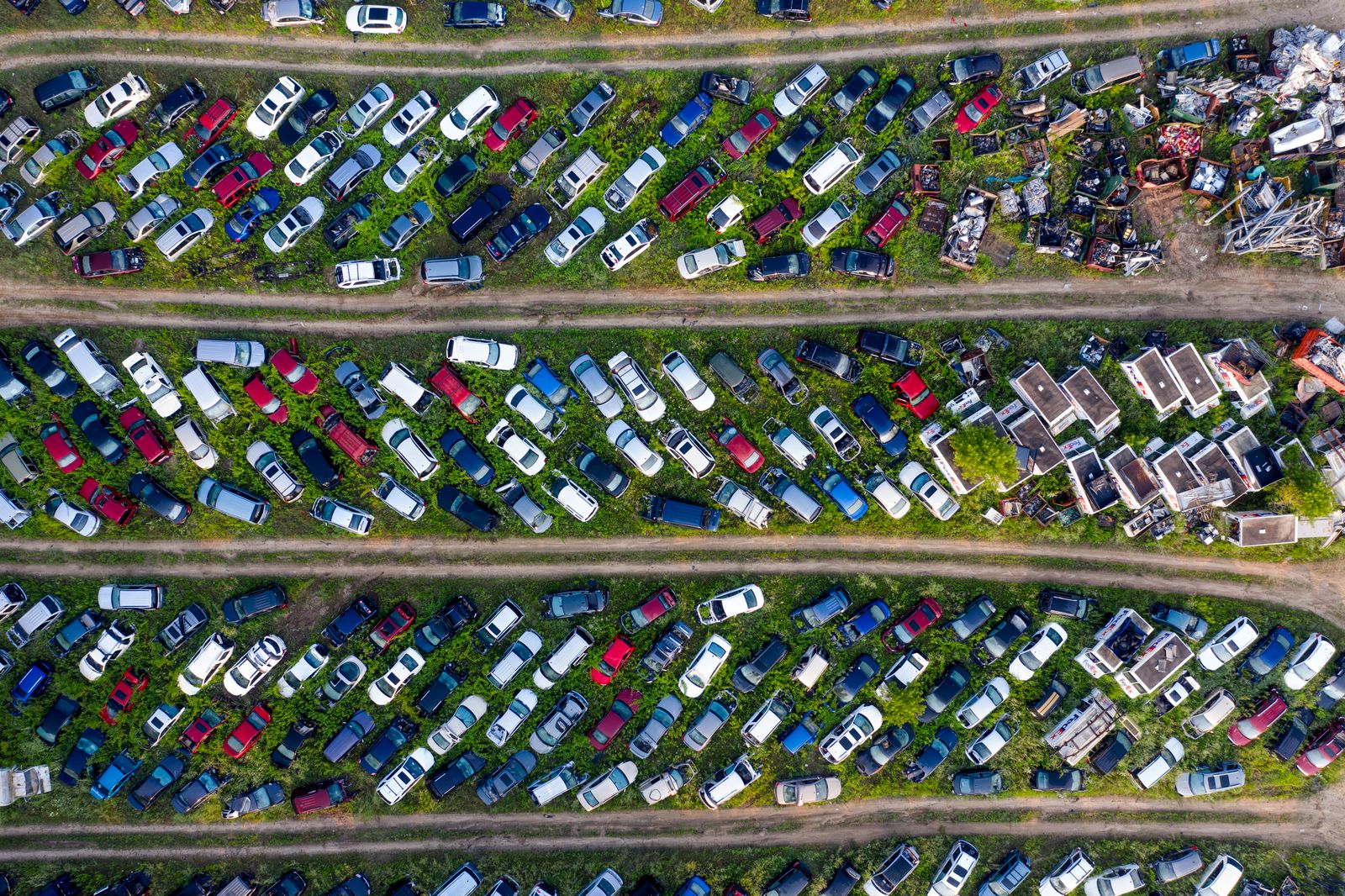
Title washing is the paperwork trick where a branded car — salvage, flood, junk — crosses state lines hoping the ugly brand doesn’t follow cleanly onto the next title.
It isn’t magic. It’s lag, mismatched state systems, incomplete reporting, and sometimes straight fraud. Buyers meet it as a “clean title” pitch on a car that somehow has auction photos from a water line in another state.
We’ve pulled reports where NMVTIS or CARFAX still showed the old brand while a seller waved a fresh-looking state title printout like a trophy. Late September 2026 — that mismatch is still a classic tell. Look: one document is not the whole country.
Retail CARFAX singles still get cited around $39.99–$44.99 depending on checkout (confirm). Guest official reports through us are about $5.50; members nearer $4.50. Paying for history is cheaper than importing someone else’s flood.
How washing usually works (plain English)
Car gets branded in State A. Someone titles or retitles through State B with weaker branding transfer, slow data, or incomplete paperwork. Marketing starts calling it clean. Sometimes the brand later catches up. Sometimes a buyer finds out at registration. Sometimes they find out when an insurer refuses coverage.
Honestly, not every out-of-state title is a wash. People move. Dealers transfer inventory. The red flag is out-of-state + damage story that doesn’t match + pressure to skip a history pull.
- Recent title issued in a different state than the damage/auction event
- Seller avoids VIN report or only offers a cropped PDF
- Price far below clean comps without a clear reason
- Flood physical tells with a “clean” pitch — mud, silt, waterlines; see spotting flood-damaged cars
- Auction stickers or prior Copart/IAAI crumbs — auction history before bidding
What reports catch (and what they miss)
NMVTIS-aware reports are built for title-brand visibility across states — more in NMVTIS vs CARFAX. CARFAX and AutoCheck also surface brands when the data lands. None of them are instant nationwide telepathy.
Here’s the catch. A washed title attempt can look clean for a window of time. We’ve seen delayed brand updates show up after a buyer already paid. That’s why physical inspection and skepticism still matter when the paperwork feels too tidy.
Blunt risk: wiring money on a seller PDF that stops before the brand section. Authenticity checks: how to verify a real CARFAX PDF.
A buyer checklist that actually fits
- Pull your own CARFAX and/or AutoCheck — preferably both on suspicious deals (bundle ~$6.75 through us; confirm at checkout)
- Read title history across states, not just the latest line
- Compare auction/damage dates to title issue dates
- Get a PPI; for flood suspicion, go beyond cosmetics
- Ask your DMV how out-of-state brands appear on your registration path
- If lenders/insurers are involved, tell them the full story before you sign
So — title washing thrives on hurry and one-document trust. Slow down. Multi-source the paperwork.
Salvage, flood, junk — related brands
Washing shows up most around salvage and flood because those brands destroy retail value. Know the language: what a salvage title is, what a flood title means, what a junk title means, and salvage vs rebuilt.
We’ve seen “rebuilt in another state, clean here” used as a bedtime story. Rebuilt is still a brand in most places that track it — don’t let vocabulary laundering fool you.
Seller lines that deserve a hard pause
“It’s only branded in that other state.” “We got a clean title here, so you’re fine.” “The auction paperwork was a mistake.” We’ve heard versions of all three.
Translate each line into homework: pull NMVTIS-aware history, pull CARFAX/AutoCheck, compare dates, call your DMV, call your insurer. If the seller needs the deal closed before those calls, the deal is the product — not the car.
Also watch for photo sets that look like insurance auction galleries with the logos cropped out. Reverse-image search isn’t perfect. It’s still useful when a “private local car” has yard-photo lighting.
One more practical move: if you’re buying across state lines, price transport + contingency days if branding fights registration. Surprises love deadlines.
Our lane
We’re a licensed reseller of official CARFAX and AutoCheck reports — not affiliated with CARFAX, AutoCheck, or Experian. Soft CTA: run the VIN at cheapcarfaxautocheck.com — guest ~$5.50 / member ~$4.50 as of this writing (confirm at checkout). Credits from ~$3 in packs when listed.
Clean stories are easy. Clean data across states is harder. Buy the harder thing.
Comments (0)
No comments yet. Be the first to share your thoughts!
Log in to leave a comment.