

Arizona salvage does not turn into a daily driver when someone texts “restored, Level III done” without the inspection paperwork, parts receipts, or a title that actually says restored salvage. You need ADOT’s path, the receipts that match the car, and a history pull that agrees with the metal in front of you.
Late September into early October 2026, retail singles still get quoted around $39.99–$44.99 depending on the brand cart — confirm at checkout because the number moves. Through our licensed reseller checkout, guest reports land about $5.50, member about $4.50, and the CARFAX+AutoCheck bundle about $6.75; credit packs often start near $3. We resell official reports and are not affiliated with CARFAX, AutoCheck, or Experian.
We’ve watched Phoenix and Tucson listings call a car “rebuilt clean” while the paper still reads salvage. Arizona’s own salvage pages are blunt: salvage means the vehicle was damaged enough that repair was uneconomical, and you do not get regular registration until it’s repaired, inspected, and issued a restored salvage title. Honestly, if the seller won’t show the Level III appointment trail or the parts invoices, treat the ad as unfinished homework.
What Arizona calls salvage vs restored salvage
Look: a salvage title in Arizona flags crash, theft recovery, flood, fire, or similar damage that made the car uneconomical to repair. The brand stays in the vehicle’s history. Driving on a salvage title is not normal road use — ADOT talks about limited temporary permits until the restored path is finished. Restored salvage is the title after repairs, required inspection, and application so the car can be registered again. Here’s the catch. Restored salvage is still a branded history. It is not a factory-fresh clean title just because the paint looks dry in the sun.
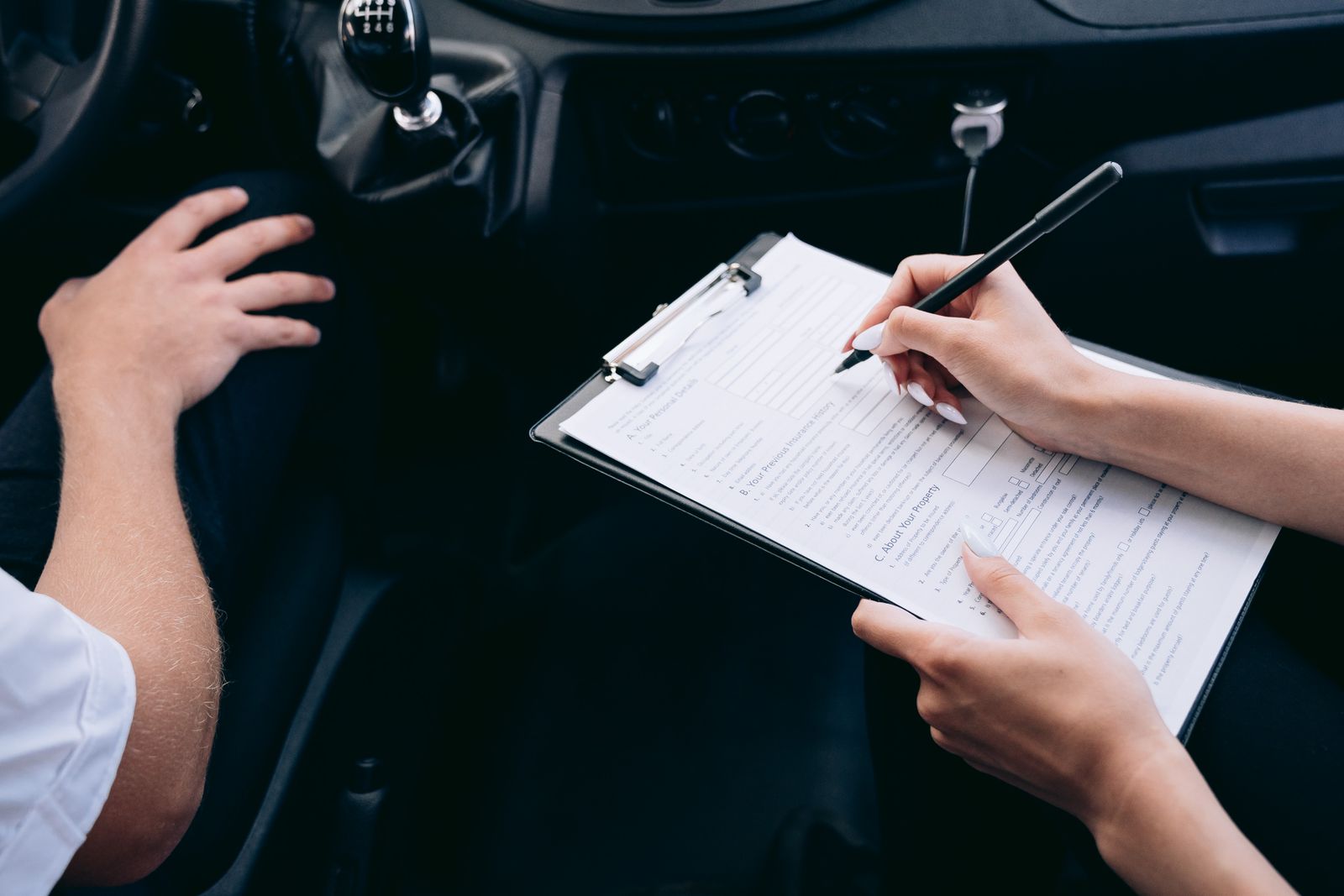
ADOT’s vehicle inspection pages spell out Level III as the highest inspection, done by a peace officer at ADOT ECD locations by appointment, with a fee around $50. That check is meant to verify major component parts — front end, engine, transmission, rear assembly where applicable — and that the vehicle is equipped for highway use. ARS 28-2095 also leans on ownership docs for component parts used in the rebuild. Related reading while you gather docs: Arizona salvage heat/hail notes, Texas salvage→rebuilt rules, and junk title vs salvage title.
Seller disclosure matters too. Arizona law expects salvage status disclosed before the sale completes, and ADOT’s FAQs hammer the same point for restored salvage. So, if the Facebook caption hides the brand and the title folder is “at home,” you’re already negotiating against incomplete paper. Ask for the salvage or restored title photo with the VIN visible, then pull the commercial reports yourself instead of trusting a cropped PDF from last spring.
Buyer sequence that survives an MVD window
- Pull AutoCheck + CARFAX the day you negotiate — guest ~$5.50 / member ~$4.50 / bundle ~$6.75 through our checkout; confirm totals; retail often $39.99–$44.99.
- Read the physical title brand and match it to NMVTIS consumer brand language.
- Demand invoices/bills of sale for replaced major parts with donor VIN detail when parts were swapped.
- Ask for Level III appointment proof and any emissions paperwork before money moves.
- Call your insurer and lender about restored-salvage brands early — many surcharge or refuse.
Blunt risk: wiring money for a “Phoenix restored salvage” sedan because the Facebook photos look shiny, then learning the seller skipped Level III and only has a salvage title plus a temporary permit story. Private-party “I lost the receipts” is a clerk problem, not a vibe problem. Related: should you buy a rebuilt title car, NMVTIS vs CARFAX, and washed titles CARFAX still shows.
Early October 2026 heat still cooks dashboards, but it does not cook title brands off NMVTIS. We’ve pulled reseller reports for Arizona shoppers who thought hail dents and flood carpets were “just desert wear.” Desert UV and monsoon water are different failure modes; a history file plus a PPI that looks under carpets still beats a cold start in a parking lot. Sleep on any out-of-state “already restored” story overnight.
We’re a licensed reseller of official reports — not affiliated with CARFAX, AutoCheck, Experian, or ADOT — and the report is step one, not the inspection itself. If the seller only offers a cropped PDF or refuses a live VIN pull, believe the refusal. Keep a folder with the salvage or restored title, parts invoices, inspection receipts, and both history PDFs. Neighbor-state contrast helps: Texas rebuild paper and Ohio’s inspection culture are not Arizona’s Level III path. Use those comparisons to set expectations, not to invent a DIY shortcut. Confirm prices at checkout, pull both reports, and walk when the paperwork and the VIN don’t agree.
Comments (0)
No comments yet. Be the first to share your thoughts!
Log in to leave a comment.