
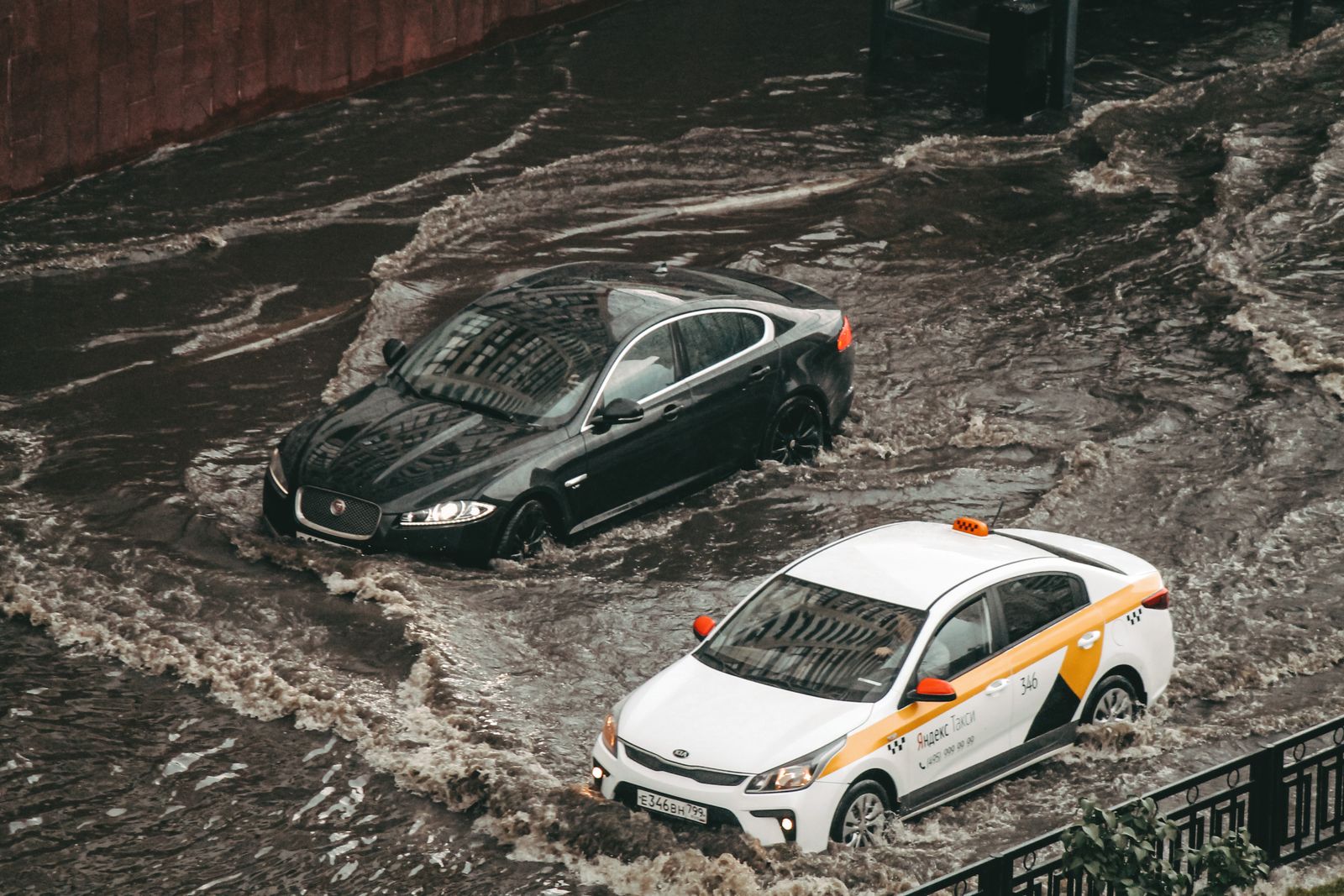
Camper vans hide flood evidence under flooring, insulation, and cute storage cubes. History brands and auction water notes are the paper half; moisture meters and cavity checks are the other half.
Late September 2026, we still see van listings with new rugs after wet seasons and captions that swear the damp smell is just cedar oil. We’ve pulled reports where flood or salvage rows sat under lifestyle galleries. Detailing spray is not NMVTIS.
Late September 2026, official CARFAX and AutoCheck retail singles still get quoted around $39.99–$44.99 depending on the cart (confirm at checkout). Through our licensed reseller checkout, guest reports are about $5.50, member about $4.50, and the CARFAX+AutoCheck bundle about $6.75; credit packs often start near $3. Confirm what your cart shows before you pay. We resell official reports and are not affiliated with CARFAX, AutoCheck, or Experian.
Paper trail for wet vans
Look: flood titles, salvage-to-rebuild paths, and auction announcements are the database signals. NHTSA’s flood-vehicle warnings still apply when the van has a kitchen. Keep camper van history buying and flood title meaning open.
Here’s the catch. Not every wet carpet brands a title. Honestly, that makes the PPI more important, not less.
- Pull CARFAX and AutoCheck; hunt water language first.
- Match VIN on metal to the PDF.
- Inspect under flooring edges, seat bases, and electrical junctions.
Physical tells after conversions
Blunt risk: trusting a smell test after the seller ran the heat and cracked the windows for an hour. Related metro caution: Houston flood damaged used cars when vans migrate from wet markets.
We’ve watched buyers discover silt in spare wells after cutting into a “dry†Vanagon-style build. Conversions complicate access — budget shop time accordingly.
How to decide on a wet-risk van
So pull history, list water rows, then hire an inspector who has seen flooded campers. Ask insurers about prior flood brands before you wire a deposit. Archive dated files.
If the seller blocks a fresh pull or a flooring peek, walk. Twin van builds still need twin diligence. Confirm report pricing at checkout the day you pull.
History ranks reported risk. Your inspector ranks moisture. Use both.
Print or save the official PDF with the pull date in the filename. Chat screenshots vanish when a lender or inspector asks for proof next week. Voice-note summaries omit brands on purpose or by accident — read the file yourself before money moves.
If financing or insurance sits in the mix, send the current report before you sign. Surprises after funding are the expensive kind. Some desks shrug at mid scores; others freeze the moment a brand prints under a flattering tile.
Out-of-state title work and branded paths add days you did not budget for a Saturday impulse. Price paperwork hours into the total. A cheap car that cannot be plated on your timeline is not cheap.
When two listings look identical on paper, they are not. Separate VINs still need separate pulls, separate inspections, and separate dated PDFs. Twin ads are not twin histories.
Pressure phrases about another buyer on the way pair badly with missing paperwork. Slow is a feature. Your checkout-priced report is cheaper than a surprise row you were not shown.
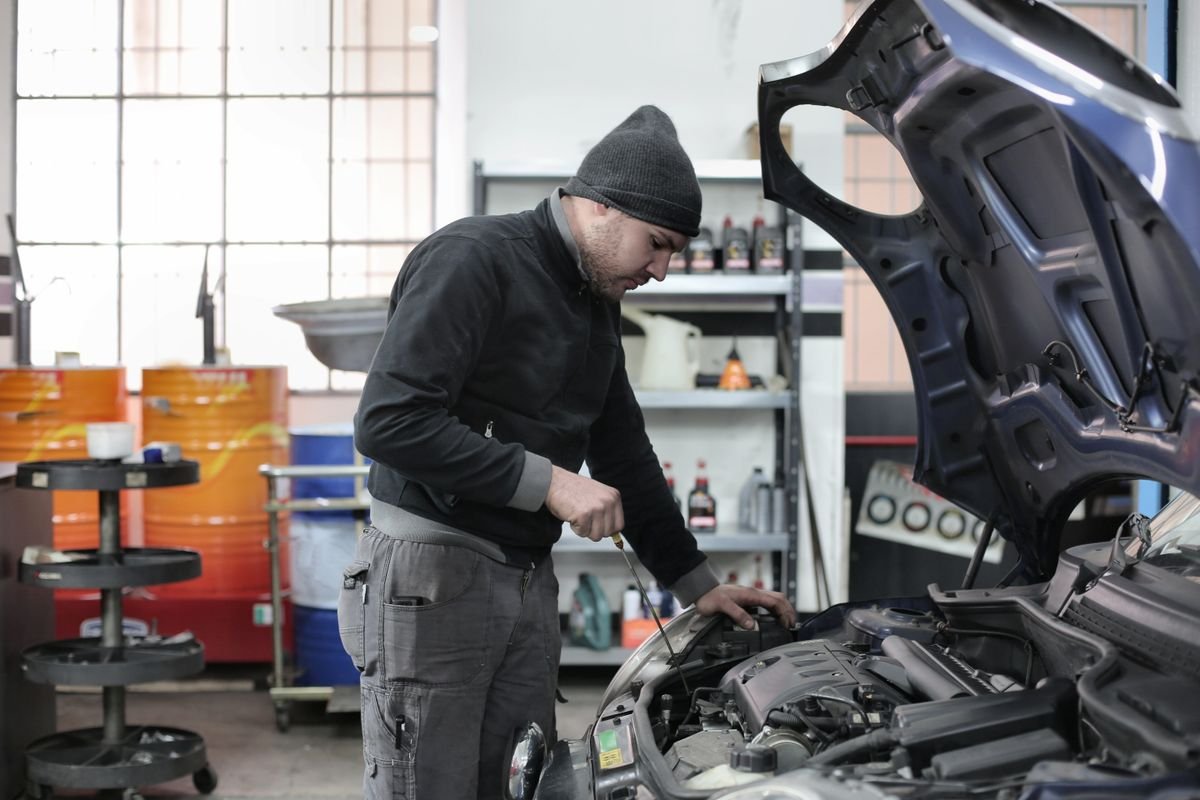
Schedule the pre-purchase inspection for daylight and send the history file to the shop when you can. Mechanics catch poorly finished structural repairs, flood silt in cavities, and deferred maintenance that never hit a reporting database.
Bundle pricing only helps when you actually open both CARFAX and AutoCheck PDFs. Ordering a pair of reports only helps when you open and compare both PDFs. Scroll brands, auction DNA, and damage rows in the same sitting.
Keep deposits tiny until your own dated report and a daylight inspection are both in hand for this VIN. Seller timelines that demand a wire first are selling urgency, not a car you have verified. Confirm checkout pricing the day you pull — retail singles still wander around $39.99–$44.99 depending on the cart.
Hold deposits small until your own dated report and a daylight inspection are both in hand for this VIN. Seller timelines that demand a wire first are selling urgency, not a car you have verified. Confirm checkout pricing the day you pull — retail singles still wander around $39.99–$44.99 depending on the cart.
Sources
- NHTSA: Hurricane- and flood-damaged vehicles
- USA Today: Beware flood-damaged cars for sale
- Consumer Reports: Beware a flood of flooded cars
- Edmunds: How to avoid buying a flood-damaged car
- YouTube: NICB PSA — Flooded Vehicles
- CARFAX: Vehicle history reports overview
A practical final review for Camper Van Flood Damage Signs: History Report + Walkthrough
Before you commit, put the report beside the vehicle, the title paperwork, and the seller’s written answers. Confirm that the VIN on the dashboard, driver-door label, title, and report is identical; one transposed character can send a search to the wrong vehicle. Read the event dates and mileage as a sequence rather than treating one clean-looking line as a guarantee. A history report is a record of information supplied by agencies, insurers, shops, auctions, and other data partners, not a mechanical inspection.
Use the result to make a short verification list. Ask the seller when each repair was done, request invoices or photos for major work, and have an independent technician inspect structure, restraints, fluids, wiring, tires, and leaks. For a vehicle connected with camper van flood damage signs: history report + walkthrough, pay special attention to the risk that is easy to hide in photos or a brief test drive. A clean title or a favorable score cannot prove that a flood, collision, odometer issue, or poor repair never occurred.
Keep the decision proportional to the evidence. If the seller will not provide the VIN, rejects an independent inspection, or rushes a deposit after a report raises a question, pause the transaction. If the records and inspection agree, use documented defects to negotiate rather than inventing a discount. Save the dated PDF, listing, messages, and inspection notes so you can explain the choice later and compare another vehicle on the same checklist.

Comments (0)
No comments yet. Be the first to share your thoughts!
Log in to leave a comment.