
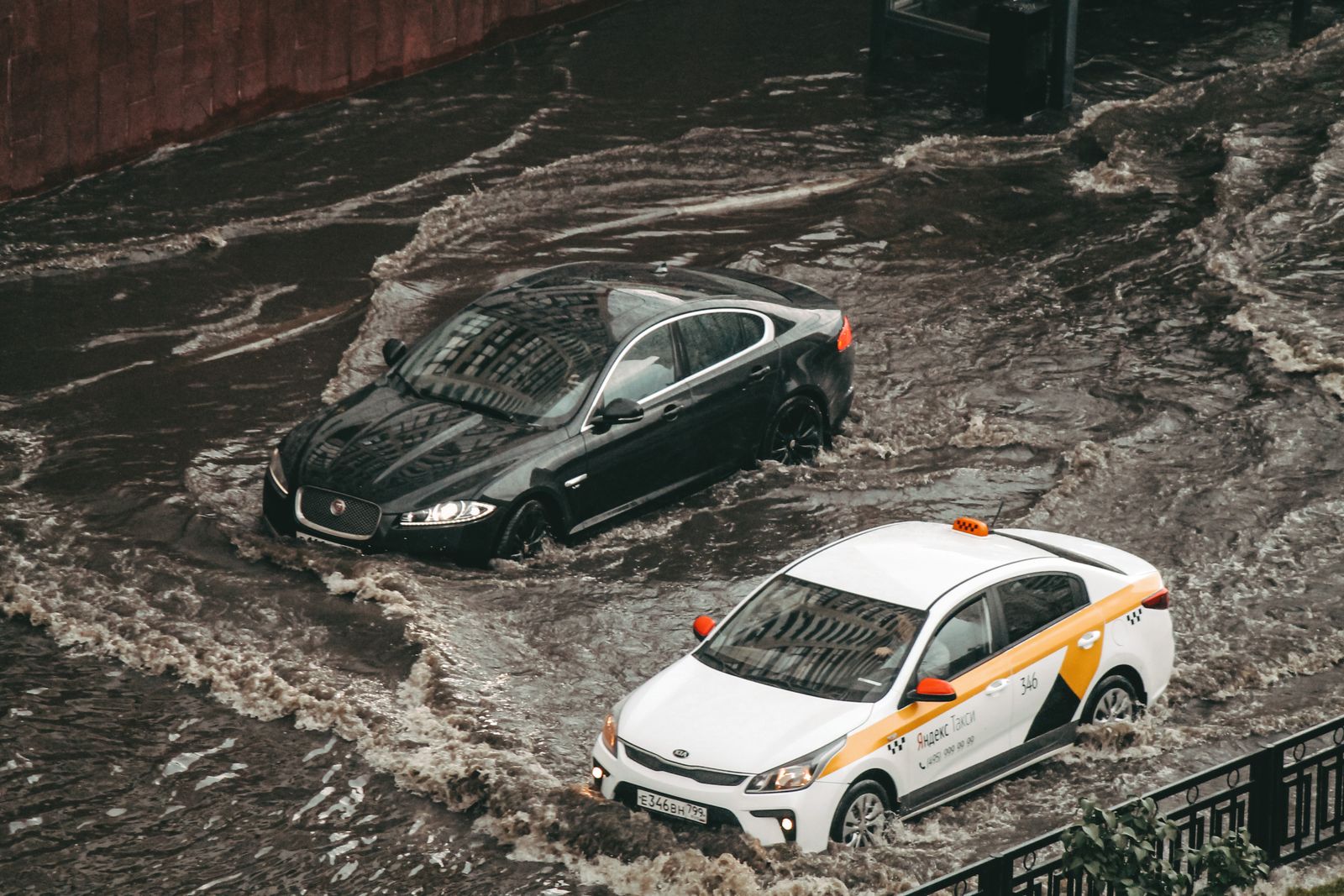
Houston used-car shopping after major floods is a VIN sport — titled brands, auction DNA, and silt under carpet matter more than a sunny lot photo on a dry afternoon.
Late September 2026, we still see Houston-area bargains that quietly spent prior lives in surge or bayou water, then reappear with fresh detailing and soft captions. We’ve pulled reports where Texas registration looked local while older flood or salvage notes pointed to storm windows buyers forgot.
Late September 2026, storm-season inventory still moves across state lines months after the headlines fade. Official CARFAX and AutoCheck retail singles still get quoted around $39.99–$44.99 depending on the cart (confirm at checkout). Through our licensed reseller checkout, guest reports are about $5.50, member about $4.50, and the CARFAX+AutoCheck bundle about $6.75; credit packs often start near $3. Confirm what you see before you pay. We resell official reports and are not affiliated with CARFAX, AutoCheck, or Experian.
Why Houston shoppers need a flood-first checklist
Look: coastal and river metros recycle water-damaged cars into ordinary classifieds with soft language like “needs TLC†or “clean title, priced to move.†NHTSA warns that flood-damaged vehicles can present long-term electrical and safety risks. Consumer Reports and USA Today keep documenting how storm cars migrate inland and into neighboring metros. A local zip code on today’s listing does not prove the car lived a dry life. Harris County and coastal neighboring markets see waves of distressed inventory after Gulf storms; some units leave, some arrive from other disaster zones looking for less suspicious buyers.
Here’s the catch. Title brands help when states apply them, but uninsured floods and incomplete disclosure still create quiet cars. Your stack is a fresh official history report, NMVTIS-aware skepticism, a flood-focused PPI, and daylight inspection for silt, musty carpet, fogged lamps, and fresh under-carpet fasteners. Honestly, if a seller blocks any of those steps, the discount is bait. Related reading on this site includes Miami flood buying checks New Orleans flood checks Tampa Bay flood checklist.
Compare any Houston candidate against our broader Texas and Gulf reading: check state brand rules, then metro inspection habits. A “Texas title†pitch is not a moisture meter.
Step-by-step before you travel to see the car
So get the VIN in writing first. Pull CARFAX and AutoCheck the same day. Read title brands, salvage/flood notations, auction rows, and the registration timeline for hurricane and inland flood windows. If the car hopped states right after a major storm, raise your scrutiny even when the brand section looks empty. Send the PDF to your inspector before you burn a Saturday on a long drive.
- Match dash VIN, door sticker, and report header character for character.
- Reject cropped seller screenshots; buy or open a full official PDF.
- Inspect for moisture, silt, rust in odd places, and electrical gremlins.
- Ask insurance whether they will cover this VIN before you fall in love.
- Keep deposits tiny until paperwork and PPI clear.
Blunt risk: wiring money because the seller “already ran Carfax†and will not let you run a fresh pull timed to the meet-up. Feeds update. Fake PDFs exist. Your own checkout is cheaper than a surprise brand. Edmunds’ flood-avoidance guidance and KBB’s history-report primers rhyme with the same order: database, eyes, mechanic, then money.
Houston-specific tells to prioritize
Ask where the car was parked during the last major rain events the seller lived through, and whether carpets or modules were ever replaced. Look for mud in spare wells, corrosion on seat tracks, and replacement fasteners under carpet edges. Pair that with the report’s timeline. If the seller gets vague about zip codes during storm years, believe the vagueness.
Auction announcements and insurer total-loss paths show up often after Gulf events. AutoCheck’s auction visibility can help; CARFAX’s damage detail can help; neither replaces crawling the car with a flashlight. Bundle if the ask is serious money.
We’ve walked Houston shoppers through reports that looked calm until an older out-of-state flood row appeared after a refresh. Time matters. Pull again if the listing ages. Archive PDFs with dates in the filename so you are not arguing from memory later.
If financing is in play, remember flood and rebuilt brands change lender appetite fast. Call the desk with the brand spelled out before you bid. Cash does not erase physics — it only removes the bank’s veto.
Comments (0)
No comments yet. Be the first to share your thoughts!
Log in to leave a comment.