

Comprehensive coverage is the other-than-collision half of physical damage: theft, flood, fire, hail, glass, and a deer, depending on the policy. On a rebuilt or salvage title, the question is not whether you want that coverage. It is whether any insurer will sell it to you on this VIN, and what they will exclude if they do.
Late September 2026, we still hear “full coverage” from sellers and from buyers who have not asked an underwriter. We’ve seen liability-only quotes presented as if they were the same product the bank required. They are not. Liability pays other people. Comprehensive coverage and collision pay for this car, and many branded-title guidelines stop there.
Late September 2026, a single official report on the brand carts is still quoted around $39.99 to $44.99, and the two carts do not always match (confirm the figure on the screen you pay). Through our licensed reseller checkout, a guest report is about $5.50, a member report about $4.50, and the CARFAX plus AutoCheck bundle about $6.75, with credit packs often starting near $3. Those reseller numbers move when packs change, so read your own cart. We resell official reports and are not affiliated with CARFAX, AutoCheck, or Experian.
What you are actually asking an insurer to do
Look: a rebuilt title tells the insurer the car was already a total loss once. That changes how they think about theft, about a second total, and about parts that may not be OEM. Some carriers will still write comprehensive coverage and collision, sometimes with a stated value instead of a book value. Some will write liability only. A few will decline the VIN outright. There is no national statute that forces a yes. You have to ask with the VIN and the exact brand, including flood if flood is part of the brand.
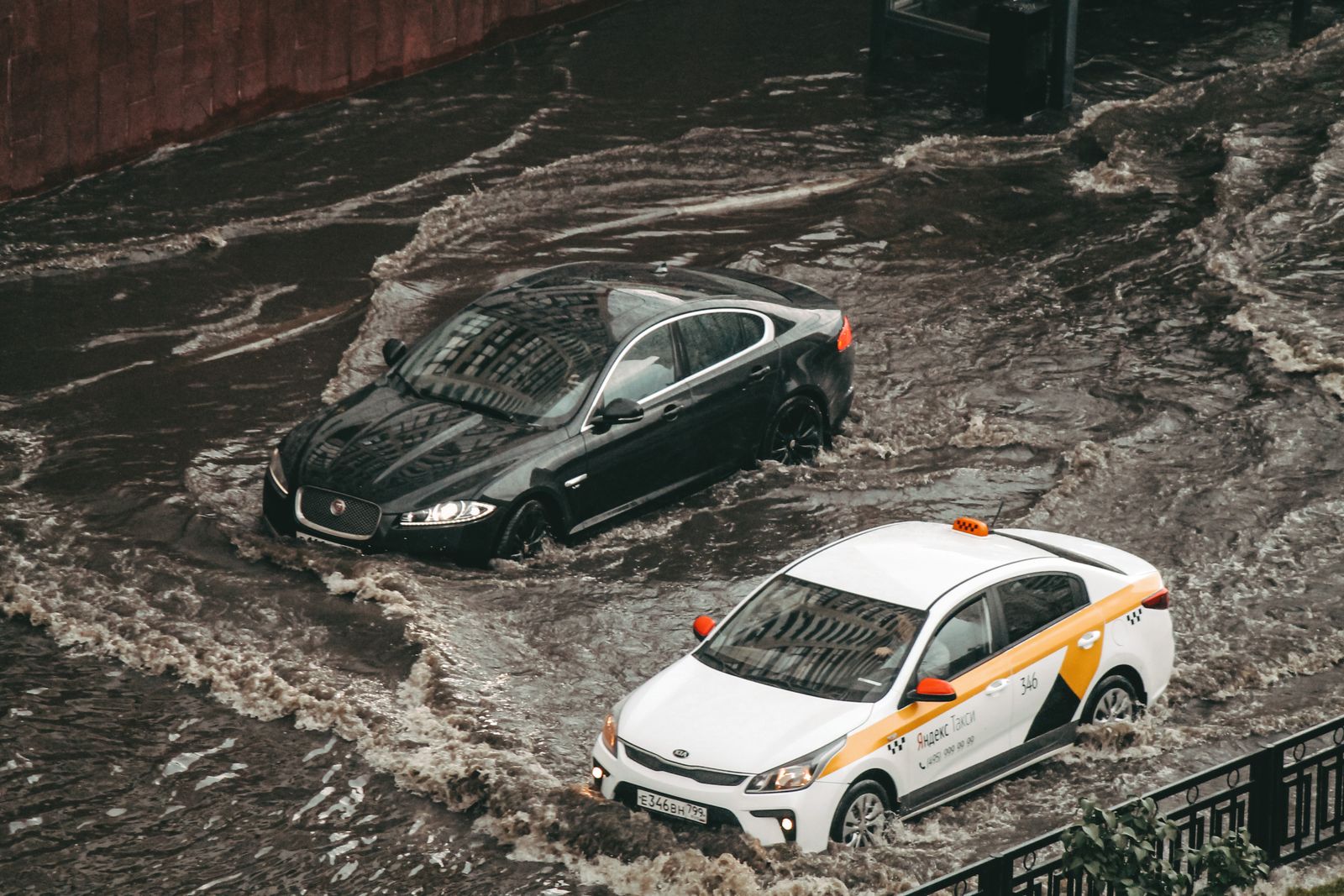
Flood brands are harsher because the peril comprehensive coverage is famous for is water, and the car already had a water total. Do not be surprised by a no. Read insuring a rebuilt car and agreed-value policies on salvage cars. The brand itself needs to be in the quote request. Whether to buy rebuilt includes this insurance question for a reason.
- Ask for liability, collision, and comprehensive coverage as three answers, not “full coverage.”
- Give the VIN and the brand word, including flood or fire.
- Ask whether the value is book, stated, or agreed, and what proof they want.
- Get the answer from underwriting, not from a seller who says their cousin was insured.
Why lenders care about this page
Here’s the catch. If you are financing, the lender usually requires physical damage coverage naming them. A liability-only policy can kill the loan even when the APR looked fine. If you are paying cash, you can choose to self-insure the car’s value, and you should say that out loud so you are not pretending a liability card replaces a totaled-car check. GAP, if you buy it, often has nothing to attach to when physical damage was declined. Read the GAP exclusion before you add it to the payment.
So bind coverage, or get the declination, before you take delivery. GAP on branded titles and rebuilt-title loans are the financing pair. Spotting a fake history report matters here because the insurer will eventually see the real brand if you do not.
Quotes that are not quotes
Blunt risk: a binder that lists the wrong VIN, or a policy that quietly excludes branded titles in an endorsement you did not open. Fake insurance cards show up in the same private-sale chats as fake CARFAX files. Call the carrier with the policy number. If the seller’s “insurance guy” cannot be called, you do not have insurance. You have a PDF.
Honestly, we’ve seen people buy the car on a Friday and discover on Monday that comprehensive coverage was removed at issuance because of the brand. Weekend binding desk and Monday underwriting are not the same department. Ask whether the quote is fully underwritten. If hail or flood is common where you live, a policy that excludes those perils on this VIN is not the product you think you bought.
What to save
The declarations page, the brand you disclosed, and the email that says comprehensive coverage and collision are included or refused. If they are included, note the deductible and the value method. If they are refused, decide again whether you still want the car. That decision belongs before the deposit, not after the first storm.
Comprehensive coverage is a product with a name. Make a carrier say yes or no to that name on this VIN. A seller’s “you can insure anything” is not a carrier.
Comments (0)
No comments yet. Be the first to share your thoughts!
Log in to leave a comment.