

Dealers and private sellers hand you different paperwork cultures. Who should buy the CARFAX or AutoCheck? Almost always you — but the reason changes: dealer lots may already show a report, while private ads often show a caption and a shrug.
Late September 2026, we still see shoppers skip their own pull at a franchise store because “they already printed one,” then skip it at a Facebook meet-up because “he said it’s clean.” We’ve watched both channels produce stale files, cropped overviews, and VINs that did not match the door sticker.
Late September 2026 pricing still wobbles in public: official CARFAX/AutoCheck retail singles are commonly quoted around $39.99–$44.99 depending on the cart (confirm at checkout). Through our licensed reseller checkout, guest reports are about $5.50, member about $4.50, and the CARFAX+AutoCheck bundle about $6.75; credit packs often start near $3. Confirm what your cart shows before you pay. We are not affiliated with CARFAX, AutoCheck, or Experian — we resell official reports.
Dealer channel: free is not the same as fresh and full
Look: many dealers provide CARFAX or AutoCheck as a sales tool. That can be useful — and it can be a printout from intake day two weeks ago. Ask for the full PDF, match the VIN, check the date, and buy your own if anything is missing or the deal is expensive. Compare with dealer free CARFAX vs buying your own and dealership free AutoCheck.
Consumer Reports’ used-car protection guidance keeps landing on the same idea: verify history yourself and inspect independently. Dealer disclosure laws help; they do not replace skepticism when a severe row is buried in fine print.
- Dealer PDF → verify date, VIN, completeness.
- Private “Carfax available” → assume you will purchase it.
- Either channel → PPI before large deposits.
Private party: you are the compliance department
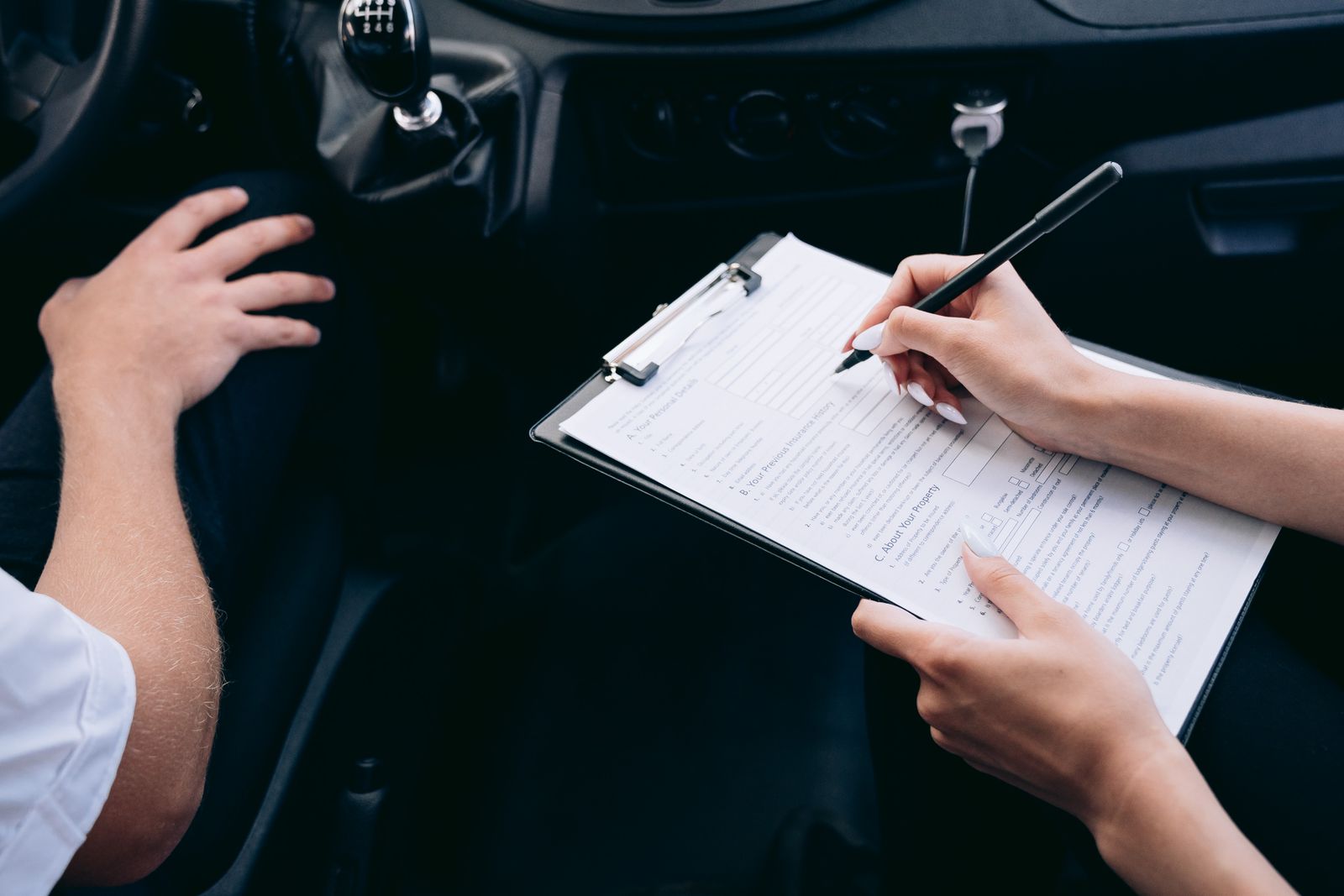
Here’s the catch. Private sellers are not generally required to attach a live official report to a Craigslist or Marketplace ad. “Clean Carfax” in a sentence is marketing English. Run your own pull before you travel. Use private seller questions and PDF verification at the curb.
Blunt risk: wiring a holding deposit after a stranger’s Google Drive PDF. Fake kits exist. If they will not allow your checkout, walk. We’ve ended more threads over refused fresh reports than over price gaps.
Who pays — and when both reports help
So budget the report as part of shopping cost, not as an optional tip. Honestly, a guest pull near $5.50 is cheaper than a wasted Saturday. On expensive or branded cars, the CARFAX+AutoCheck bundle near $6.75 (confirm) can catch different strengths — service detail vs auction/score habits — without pretending either file is a warranty.
Dealer purchases still deserve your own file when financing, because lenders sometimes want a report you can resend. Private purchases deserve your own file because nobody else will do it. Keep dated PDFs either way.
We’ve compared dealer “we already ran it” printouts to a same-day refresh and found a new row twice in one month of shopping with clients. Frequency is not the point — possibility is. Your checkout timed to the decision beats someone else’s archive.
Channel-specific scam and omission patterns
On dealer lots, the omission pattern is often burial: the report exists, but the salesperson never scrolls to the ugly row unless you ask. Take control of the PDF. On private ads, the omission pattern is absence: no file, stale file, or a screenshot that stops at the overview. Different theaters; same buyer move — verify on the VIN you can touch.
We’ve recovered weekends by killing private VINs at home with a cheap official pull before driving across the county. Dealer trips still deserve the same habit when the free printout looks incomplete. Time and fuel are part of total cost.
If either channel pushes gift cards, crypto, or off-platform escrow theater, end the thread. Real local deals survive bankable payment after inspection. Keep fake report tells bookmarked for Marketplace and curb meet-ups, and keep dealer disclosure questions ready when the binder feels curated. Your report budget is a rounding error next to either mistake.
One more practical split: dealers may already have a trade appraisal file you can ask to see, while private sellers may only have a title in a kitchen drawer. Neither artifact replaces an official history report on the VIN. Ask early, pull early, inspect in daylight, and keep deposits tiny until the paperwork and the PPI agree. That order works on both sides of the curb.
Comments (0)
No comments yet. Be the first to share your thoughts!
Log in to leave a comment.