
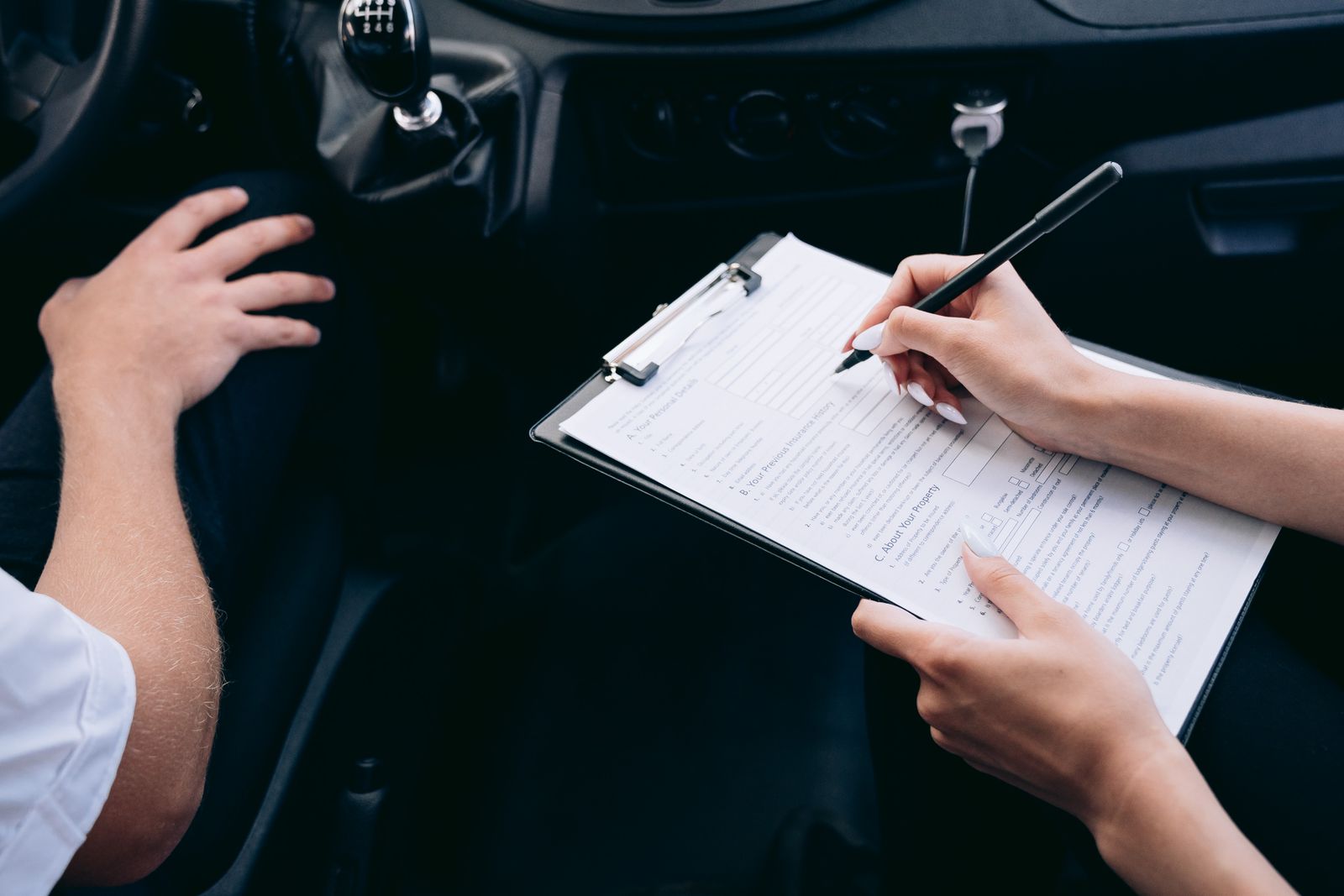
A dealership’s free AutoCheck can be a real official report — and still be the wrong artifact for your decision if it is stale, truncated, or treated as a substitute for your own checkout and inspection.
Late September 2026, AutoCheck-branded dealer printouts still show up in sales folders next to score tiles without the comparable range. We’ve had buyers text a photo of a green-looking overview while the detail pages never left the F&I desk.
Late September 2026 pricing still wobbles in public: official CARFAX/AutoCheck retail singles are commonly quoted around $39.99–$44.99 depending on the cart (confirm at checkout). Through our licensed reseller checkout, guest reports are about $5.50, member about $4.50, and the CARFAX+AutoCheck bundle about $6.75; credit packs often start near $3. Confirm what your cart shows before you pay. We are not affiliated with CARFAX, AutoCheck, or Experian — we resell official reports.
When the free dealer AutoCheck is useful
Look: if the dealer provides a full, current PDF on the correct VIN, use it to kill bad cars early. Read score with range, title brands, and auction DNA. AutoCheck’s strengths often include wholesale history visibility — which matters on cars that rotated through lanes before retail. For score literacy, see the 1–100 scale and below-range scores.
CarMax and other retailers publicly discuss free VIN tools versus deeper history products; the consumer lesson travels: free modules help screening, while purchase decisions deserve complete files you control. Compare dealer CARFAX habits in free dealer CARFAX vs your own.
- Confirm PDF date within days of your decision.
- Confirm VIN match to dash and door sticker.
- Confirm you saw detail pages, a score badge alone.
When to buy your own anyway
Here’s the catch. Intake-day reports go stale while the car sits. Late-reporting auction or title rows appear. You may want a file you can resend to a lender without asking the desk twice. Blunt risk: letting a salesperson summarize AutoCheck verbally while the binder stays closed. Ask for the PDF or run your own.
So if the deal is five figures, the history looks busy, or the free file is a photocopied overview, spend the guest pull (~$5.50 confirm). Honestly, that is cheaper than arguing about a brand after you signed. Bundle with CARFAX when service history looks suspiciously empty and the AutoCheck score looks fine.
AutoCheck-specific reading habits on a dealer lot
Open comparable range beside the score. Scroll title brands before you fall for the monthly payment whiteboard. If the car came from auction, read announcements against the report — see auction announcement vs history report. We’ve watched lots sell “clean” cars with below-range scores that only made sense after the accident list.
Keep a PPI on the calendar even when AutoCheck looks friendly. Databases miss unfinished repairs. Dealers who welcome independent inspection are easier to trust than dealers who treat questions as insults. Save your own dated PDF after checkout so you are not dependent on a store portal login next month.
If you are also comparing online retailers, remember free history modules differ by partner — Carvana’s CARFAX habits and CarMax’s AutoCheck habits are not identical products. Your responsibility stays the same: own a current official file before money moves.
Building a two-file habit on expensive cars
When the purchase is costly or the AutoCheck file shows auction DNA without much service detail, add an official CARFAX pull. Different databases emphasize different events. You are not being paranoid — you are buying overlap on a decision that outlives the weekend. Confirm bundle pricing at checkout; public retail singles still wobble near $39.99–$44.99.
We’ve seen free dealer AutoCheck scores look friendly while a same-day CARFAX surfaced denser damage estimates. We’ve also seen the reverse, where AutoCheck auction rows explained a mystery gap CARFAX summarized lightly. Let both speak, then inspect.
Finally, treat the free lot printout as a screening gift, not as your archive. Save your own receipt and PDF. Store portals change; salespeople change shifts; you still need the file when a lender emails on Tuesday. That is the whole argument for buying your own even when the dealership already “ran AutoCheck.”
If the desk claims the free AutoCheck is “the same thing you’d buy,” smile and still check the date stamp and page count. Sameness is a claim; freshness and completeness are facts you can verify in thirty seconds. When those facts fail, your own checkout fixes the problem faster than a second argument with the salesperson.
Comments (0)
No comments yet. Be the first to share your thoughts!
Log in to leave a comment.