

CARFAX does not tell you whether a used car has mechanical problems. Nobody plugs a scan tool into the car or drives it to build the report, so a slipping transmission, a weeping head gasket, or a check-engine light that someone cleared last Tuesday will not appear. What you get are records: service visits, open recalls, reported accidents, and title brands like lemon. Some of those hint at mechanical trouble, and in early October 2026 a mechanic with a lift is still the only way to know how the car actually runs.
What the report is built from
A CARFAX report is a list of things that were reported, and condition is not one of them. The CARFAX vehicle history reports page lists what every report checks for, and the service history part covers oil changes, tire rotations, open recalls, brake rotor replacement, transmission replacement, and safety inspections. Each is a record a shop, DMV, or insurer sent in. A worn wheel bearing that nobody fixed yet has no record to send.
The FTC says the same thing in plain words. Its guide to buying a used car from a dealer says a vehicle history report may list accidents and flood damage, but typically will not list mechanical problems, and calls the report no substitute for an independent inspection. Our PPI versus CARFAX breakdown lays out which tool catches which problem.
Indirect clues worth reading closely
A report can still point at mechanical trouble if you read the rows instead of the summary. Start with repeats. Three visits in four months for the same vague "electrical system checked" entry means something was wrong and maybe never got fixed. Our guide to what service records mean on CARFAX covers the shorthand shops use. A single big repair row, like the ones we covered in engine replacement on CARFAX and transmission replacement on CARFAX, is worth a call to the shop named on it.
Then look for a lemon or manufacturer buyback line. CARFAX names flood and lemon titles on that same sales page, and a buyback usually means repeated defects the maker could not fix. Read our post on lemon buybacks on CARFAX before you treat one as a bargain. Inspection rows matter too, since emissions and safety inspection records show where the car was tested and at what mileage, though they say nothing about the brakes a year later.
One brand trips people up. "Exceeds mechanical limits" sounds like an engine warning, and it is an odometer statement. Under 49 CFR 580.5, a seller who knows the mileage has gone past what the odometer was designed to display must say the mileage exceeds mechanical limits. Our exceeds mechanical limits explainer covers what that does to value. The problem is that nobody knows the real mileage.
Open recalls are the one defect list you can check by VIN
A recall is a known defect, and you can look it up for free in under a minute. When we pulled up NHTSA's recall lookup this morning, the page said a VIN search shows unrepaired recalls on that exact vehicle, with a caveat list. It skips recalls more than 15 years old, international vehicles, and some brand new recalls whose VINs have not been loaded yet. So run it again the week you buy.
Consumer Reports, in a piece updated February 12, 2026, counted more than 600 automotive recalls in the past year and noted federal law does not require used-car dealers or private sellers to do the recall work, even though new-car dealers and rental companies must. A National Safety Council official quoted there said an ignored recall can hint that other maintenance was skipped too. CARFAX flags open recalls as well, and our posts on open recalls on CARFAX and NHTSA lookups versus CARFAX show how to cross-check the two.
Do not read an "inspected" badge as recall-free, either. The AP reported in December 2016 that CarMax and two other retailers settled FTC complaints that they touted inspections in ads while some cars had unrepaired safety recalls. Under those orders, the companies could not call a car safe unless recall repairs were made or open recalls were disclosed.
A cleared check-engine light leaves tracks a scan tool can see
The car's own computer remembers more than the report does, and a basic code reader can show it. California's Bureau of Automotive Repair explains in its OBD test reference that readiness monitors are self-tests of the emissions system, and they have to run again after repair work like a battery disconnect. A car whose monitors mostly read "not ready" may have had its codes or battery cleared recently. BAR also describes permanent trouble codes, which cannot be erased with a scan tool or by pulling the battery and only clear after the car confirms the fault is gone.
That matters more in California now. BAR's fall 2025 newsletter says rules effective October 1, 2025 require every readiness monitor to be set to pass Smog Check, phased in, partly because old exemptions let some cars pass with a broken emissions system and stuck later owners with costly repairs. If a seller says the light "just came on, probably the gas cap," and the monitors read not ready, assume someone cleared it and walk away or get it scanned again after a week of driving.
What a mechanic checks that CARFAX cannot
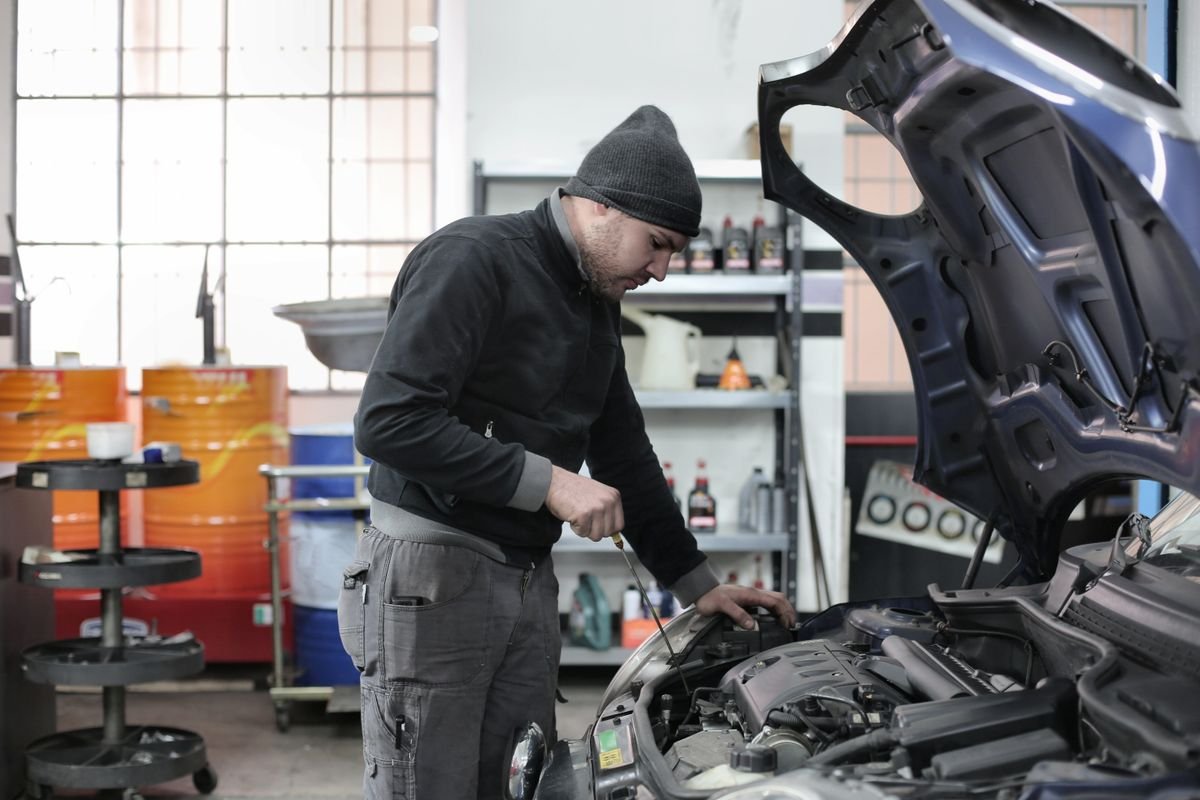
A pre-purchase inspection is where mechanical problems actually get found, and it costs less than most people expect. Consumer Reports' used car inspection guide, updated March 20, 2026, puts a thorough diagnosis at around $100 to $150, says to check the price in advance, and tells you to insist on your own mechanic when a salesperson says the dealer already inspected it. Our pre-purchase inspection cost post covers regional ranges.
You can do some screening yourself first. CR says every warning light, check-engine included, should glow for a few seconds when you turn the key and then go out after the engine starts. It also says gray, foamy oil on the dipstick can mean a blown head gasket, and transmission fluid should be pinkish with no burnt smell. Bring the report to the shop with our mechanic checklist so they can chase anything odd in the service rows. The FTC says to get the findings in writing with a repair estimate that lists the make, model, and VIN, then use it to negotiate.
The window sticker and the price of the report
The FTC Buyers Guide on the window points at mechanical risk too. The FTC's dealer guide to the Used Car Rule says the Guide lists the major mechanical and electrical systems on a car and some of the major problems to look out for, and a dealer warranty has to name each covered system instead of saying "power train." Our Buyers Guide explainer walks through the boxes, and as-is sales are where a skipped inspection costs you the most.
Service records still carry money. On its own sales page, CARFAX shows a 2014 F-150 XL with regular oil changes at a history-based value of $23,290 versus $21,970 for the same truck with no reported service, a sample, not a quote for your car. We're a licensed CARFAX and AutoCheck reseller, not affiliated with CARFAX, AutoCheck, or Experian, and reports run about $5.50 as a guest, $4.50 for members, or $6.75 for the bundle, versus retail around $39.99 to $44.99, so confirm at checkout. A seller's emailed PDF can be months old or edited, and our list of seller-provided report red flags shows what to look for. Pull the report for the paper trail, then pay a mechanic to listen to the engine.
Sources
- CARFAX: Vehicle History Reports, what every report checks for
- FTC: Buying a used car from a dealer
- FTC: A Dealer's Guide to the Used Car Rule
- Cornell LII: 49 CFR 580.5, odometer disclosure requirements
- NHTSA: Check for recalls by VIN
- Consumer Reports, Keith Barry: Why you should check for open recalls on used cars (Feb. 2026)
- AP News: CarMax, others settle US actions over ads on used car safety (Dec. 2016)
- California Bureau of Automotive Repair: On-Board Diagnostic Test Reference
- California BAR: New OBD readiness monitor regulations explained (Fall 2025)
- Consumer Reports, Jon Linkov: Used car checklist to avoid costly repairs (Mar. 2026)

Comments (0)
No comments yet. Be the first to share your thoughts!
Log in to leave a comment.