
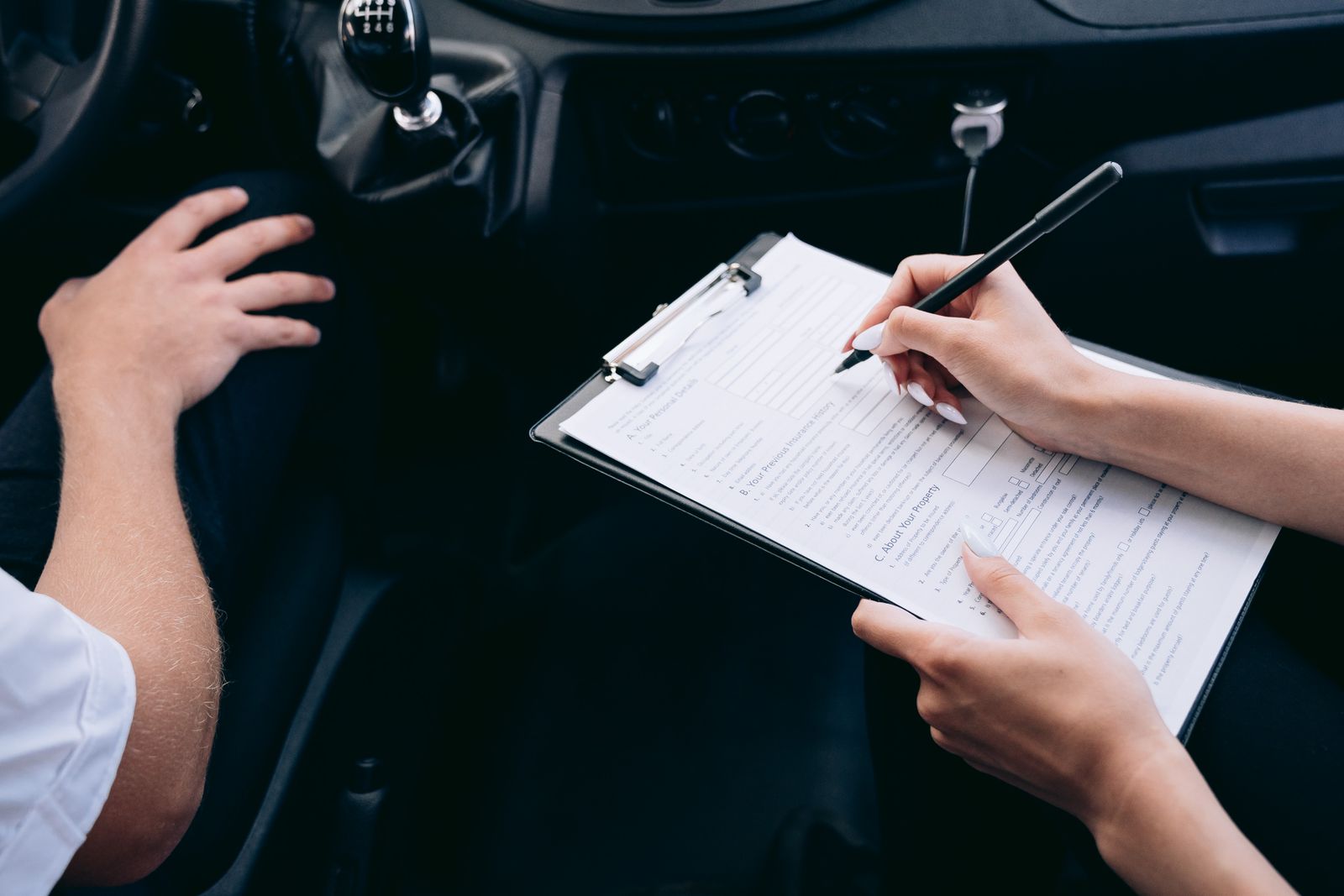
You've test-driven the car, the price is close, and the seller says it "already passed inspection." Booking your own mechanic means another day and another $150 to $300. Here's the catch: the seller's inspection works for the seller. In early October 2026, with Cox Automotive putting the average used-car listing at $27,239 in August, a pre-purchase inspection costs around 1 percent of the price, and it's the only check on the car that you control. Below is what one costs, what a good one covers, and how to get one done when a dealer or private seller drags their feet.
What a pre-purchase inspection costs right now
Prices vary. Consumer Reports, in its used-car checklist updated March 20, 2026, says a thorough diagnosis should run around $100 to $150 and tells you to confirm the price before you book. RepairPal's national estimator puts a pre-purchase car inspection at about $186 to $273 in labor before taxes and fees, and its pages for common models like the Camry and F-150 land near $183 to $269. ConsumerAffairs puts the typical bill around $200, with on-site visits costing more. So for a mainstream sedan, truck, or crossover at an independent shop, plan on $150 to $300 and call ahead.
A few things push the price up. Mobile inspectors who drive out to a dealer lot or a seller's driveway charge for the trip, and a lot of them can't put the car on a lift, so ask how they check the underbody. ConsumerAffairs says a thorough inspection on a luxury or performance car can cost $250 or more, especially with a brand specialist, and those cars often need factory scan software a general shop doesn't own. If a quote comes in well under $100, ask what's missing, because a walkaround with a cheap code reader is a different job.
What a mechanic should actually check
A pre-purchase inspection is not a state safety inspection. The FTC spells this out in its used-car buying guide: safety inspections usually focus only on things that make a car unsafe to drive, while a mechanical inspection looks at the condition of the car as a whole. The FTC also says a vehicle history report is not a substitute for an inspection, because a report may list accidents and flood damage but typically won't list mechanical problems. That's true of the CARFAX and AutoCheck reports we resell. They can't tell you the transmission flares on a cold shift.
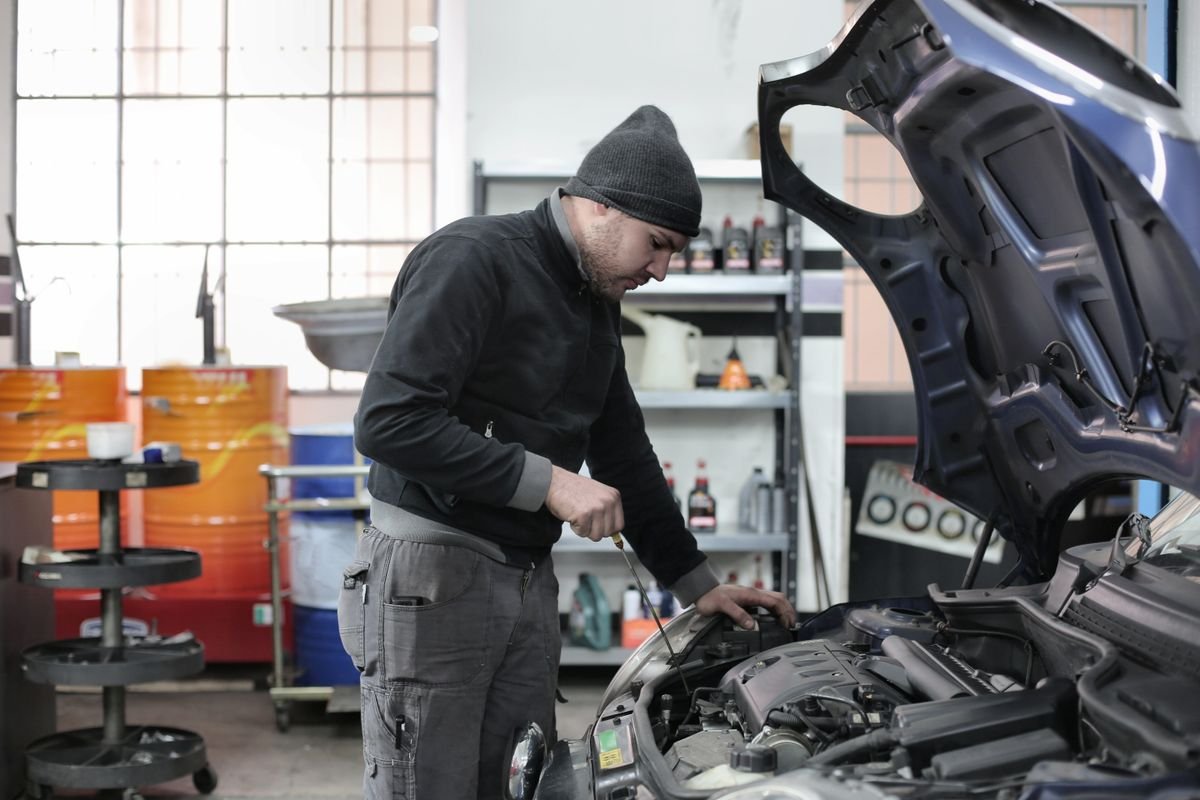
Ask the shop for its checklist before you book. At minimum you want the car up on a lift, a scan for stored and pending trouble codes rather than only whatever is lit on the dash, a real road test, and a look at fluids, brakes, tires, suspension, steering, belts, hoses, and the frame. Consumer Reports and Edmunds both flag gray or foamy oil as a sign coolant may be getting in, which can mean a blown head gasket or a cracked block. Cars.com suggests holding a magnet to suspicious panels, since body filler isn't magnetic, and checking for damp carpet or a mildew smell.
Get the results in writing. The FTC tells buyers to ask for a written report with a cost estimate for every needed repair, and to make sure it lists the make, model, and VIN. A report without the VIN can't prove which car the mechanic looked at.
Why "it already passed inspection" isn't enough
Look, a dealer inspection or a certified badge is the seller grading its own homework. The FTC says a mechanical inspection is still a good idea even if the car has been certified and inspected by the dealer and comes with a warranty or service contract. California law goes further for certified cars: a dealer has to give you a completed inspection report before the sale. In Gonzales v. CarMax, decided in October 2016, the Ninth Circuit held that a generic list of parts inspected, with no results for each component, didn't count as a completed report. If you're shopping certified, our post on whether a CPO car still needs a CARFAX covers the history side of that.
A Utah case decided January 29, 2026 shows how badly this can go. In Tidwell v. Jensen, a buyer looking at a used Toyota Tacoma in June 2017 kept asking about the frame. According to the appeals court opinion, the salesman said the frame was fine, steered him away from the coated sections, said the truck had passed inspection, and talked him out of an independent check with the line "You'll waste $50." The buyer paid $11,000, noticed the truck wobbling on the freeway a few weeks later, and then discovered extensive rust damage to the frame. The trial court threw out his claims; the Utah Court of Appeals reversed and sent the case back for a new trial, more than eight years after the sale. Honestly, a $50 inspection would have been the better deal for everyone involved, and our explainer on frame rust and branded titles covers why rot like that rarely shows up on a title.
How to set one up with a dealer or a private seller
Pick the shop before you see the car. AAA's Approved Auto Repair locator is one way to find a shop that isn't tied to the seller. Tell the seller up front that your offer depends on an inspection. Consumer Reports says a dealer should have no problem lending you the car for an inspection if you leave ID. If a dealer says insurance rules keep the car on the lot, the FTC suggests hiring a mobile inspector or asking the dealer to bring the car to a facility you choose.
If the seller won't allow any independent inspection, the FTC's advice is to consider going to another dealer. On a private sale we'd treat a flat refusal the same way. A spotless one-owner listing still needs a mechanic, and a seller who blocks one has told you something useful about the car.
Run the history report before the inspection, not after. It's cheap: on our site a CARFAX is around $5.50 as a guest and about $4.50 for members, against the $39.99 to $44.99 retail range we keep seeing quoted, so confirm the exact price at checkout. Hand the report to your mechanic. A reported front-end hit tells them to look at the radiator support and welds. Don't accept a PDF the seller emails you as your history check, because a PDF is easy to edit; pull the report yourself from the VIN on the car. While you're at it, check open recalls on NHTSA's VIN lookup, since not every inspection includes that.
When the inspection finds something
Most inspections on a used car find something, and that's fine. Sort the findings into three piles: normal wear like tires, brakes, and wipers; repairs worth negotiating over; and deal-breakers like frame rot, structural repairs, flood signs, or a transmission that's storing codes. The FTC notes you can use the repair estimates to negotiate the price. A written quote for struts and a rear brake job is a fair reason to ask for money off, or to have the work done before you sign. Structural findings are a different conversation, and our guide to structural damage on CARFAX explains why a badly repaired unibody can follow a car for its whole life.
If you buy anyway and something fails, your options depend on the paperwork. A checked "as is" box on the Buyers Guide puts the repair risk on you, which is the whole point of our post on as-is sales and history reports. In most states there's no automatic three-day return either, as we laid out in can you return a used car. And if the finance office pitches a service contract to cover the risk, read the exclusions, because many won't pay for problems that existed before you bought the car.
Sources
- FTC: Buying a Used Car From a Dealer (independent inspection, Buyers Guide, written repair estimates)
- Consumer Reports: used car inspection checklist, updated March 2026
- RepairPal: pre-purchase car inspection cost estimate
- ConsumerAffairs: what is a pre-purchase inspection
- Edmunds: inspect that used car before buying
- Cars.com: what should a used-car inspection include
- Utah Court of Appeals: Tidwell v. Jensen, decided January 29, 2026 (FindLaw)
- Ninth Circuit: Gonzales v. CarMax Auto Superstores, October 2016 (Justia)
- Cox Automotive: used-vehicle prices and inventory, August 2026
- NHTSA: check open recalls by VIN
- AAA: Approved Auto Repair shop locator
Comments (0)
No comments yet. Be the first to share your thoughts!
Log in to leave a comment.