
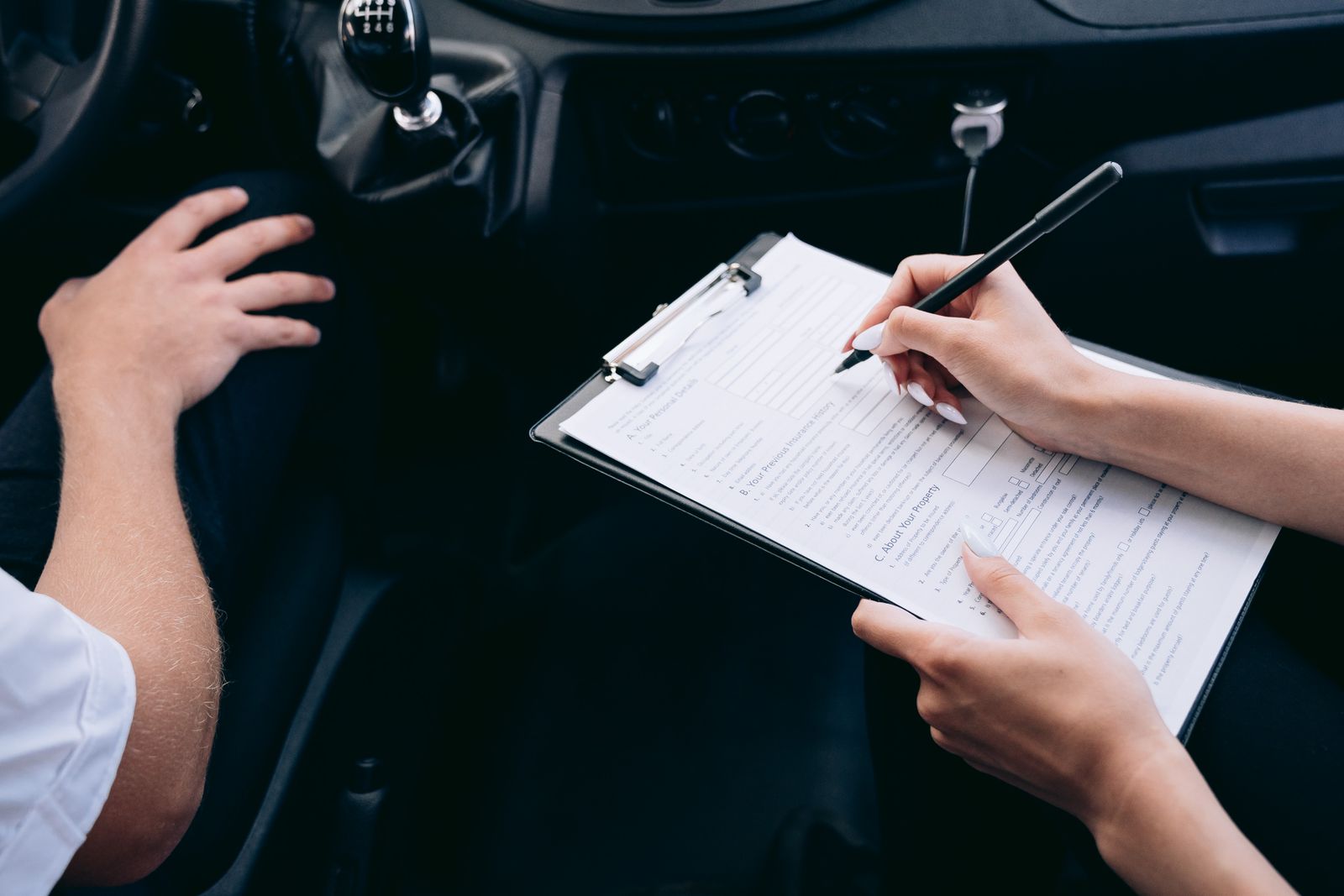
The Marketplace message looks helpful: “Here’s the Carfax, bro — PDF attached.†Then the file opens with a perfect overview tile, a suspiciously clean brand section, and a VIN that almost matches. Almost is how fake history PDFs steal deposits.
Late September 2026, fake or doctored report kits still circulate in Marketplace DMs alongside pressure scripts (“other buyer coming at 5â€). We’ve compared seller files to fresh official pulls on the same VIN and found missing salvage rows, swapped accident dates, and overview pages that never existed on the live report.
Retail singles still quote around $39.99–$44.99 (confirm). Guest official reports through us ≈ $5.50; member ≈ $4.50; bundle ≈ $6.75. Confirm at checkout. We sell official reseller reports; we are not CARFAX, AutoCheck, or Experian.
How the scam usually plays
Look: the classic pattern is refuse-your-own-report plus a pretty PDF. Sometimes the file is a wholesale screenshot with auction banners cropped. Sometimes it is a template with fonts that almost match. Sometimes it is a real old report for a different VIN with the digits edited. Cross-check every character of the 17-digit VIN against the dash and door sticker. Keep our fake report spotting guide and PDF verification steps open while you stand at the car.
- Seller blocks you from buying your own report → walk.
- PDF VIN ≠metal VIN → walk.
- Overview only, no detail pages → demand the full file or buy your own.
- Wire / gift-card / crypto deposit before inspection → walk.
Why Marketplace is fertile ground
Here’s the catch. Speed and distance favor the seller who controls the file. Consumer Reports and USA Today both warn that flood and salvage cars move across state lines after storms; fake paperwork is just another laundering layer. A history report is only as honest as its source and its freshness. Your own checkout timed to the meet-up beats a stranger’s Google Drive link.
Blunt risk: sending a “holding deposit†after a PDF that cannot be re-pulled. Once money moves, leverage dies. Pair Marketplace skepticism with title-wash literacy from how to spot title washing.
What to do instead
So get the VIN in chat before you drive. Buy your own official CARFAX and/or AutoCheck. Meet in a public place in daylight. Match metal stamps. If the price only works if you skip paperwork, the discount is the bait. Honestly, a few dollars in report fees is cheaper than recovering a deposit from a deleted Marketplace profile.
We’ve seen “I already ran Carfax last month†used as a reason to refuse a fresh pull. Feeds update. Auction and title rows appear. Last month is not today. Run it again.
Technical tells on doctored PDFs
Zoom the overview tile and the detail pages. Soft fonts, misaligned columns, missing security cues, or a report that ends abruptly before ownership or title sections deserve suspicion. Compare page counts to a sample official report layout you already know. If the seller forwards only images inside a chat bubble, demand a real PDF or buy your own — images are easy to crop.
Check the reported odometer timeline against the dash. Fake files sometimes freeze mileage or invent tidy service rows. Real reports can be incomplete; fake ones often look too complete in the wrong places. When anything smells off, stop arguing about fonts and run an official pull yourself. The database is the judge.
We’ve also seen “shared dealer login screenshots†that were just remote-desktop theater. You do not need the seller’s portal. You need a receipt and a PDF tied to the VIN under your own checkout. If they insist only their file is allowed, the scam is already mid-script.
After you confirm a real report, still inspect for flood and salvage tells that never hit insurers. Title washing and uninsured flood damage remain real after storm seasons. A genuine clean report lowers risk; it does not invent a warranty. Budget the PPI.
Document everything if you already sent money on a fake PDF: usernames, file hashes if you can, VIN claimed, payment receipts, and meet-up promises. Platform reporting tools and local fraud units move slowly, but contemporaneous evidence helps. Going forward, treat “I will send the Carfax after deposit†as an automatic fail. The report is cheap; the recovery process is not. When in doubt, walk and buy another car — inventory is not scarce enough to justify funding a stranger’s PDF theater.
One practical habit that stops most Marketplace PDF scams cold: ask for the VIN first, buy your own official report second, then schedule the meet-up third. Reverse that order and you are negotiating inside the seller’s story. We’ve watched buyers argue about fonts on a suspicious file for twenty minutes when a five-dollar-range checkout would have ended the debate immediately. Own the data path.
Comments (0)
No comments yet. Be the first to share your thoughts!
Log in to leave a comment.