
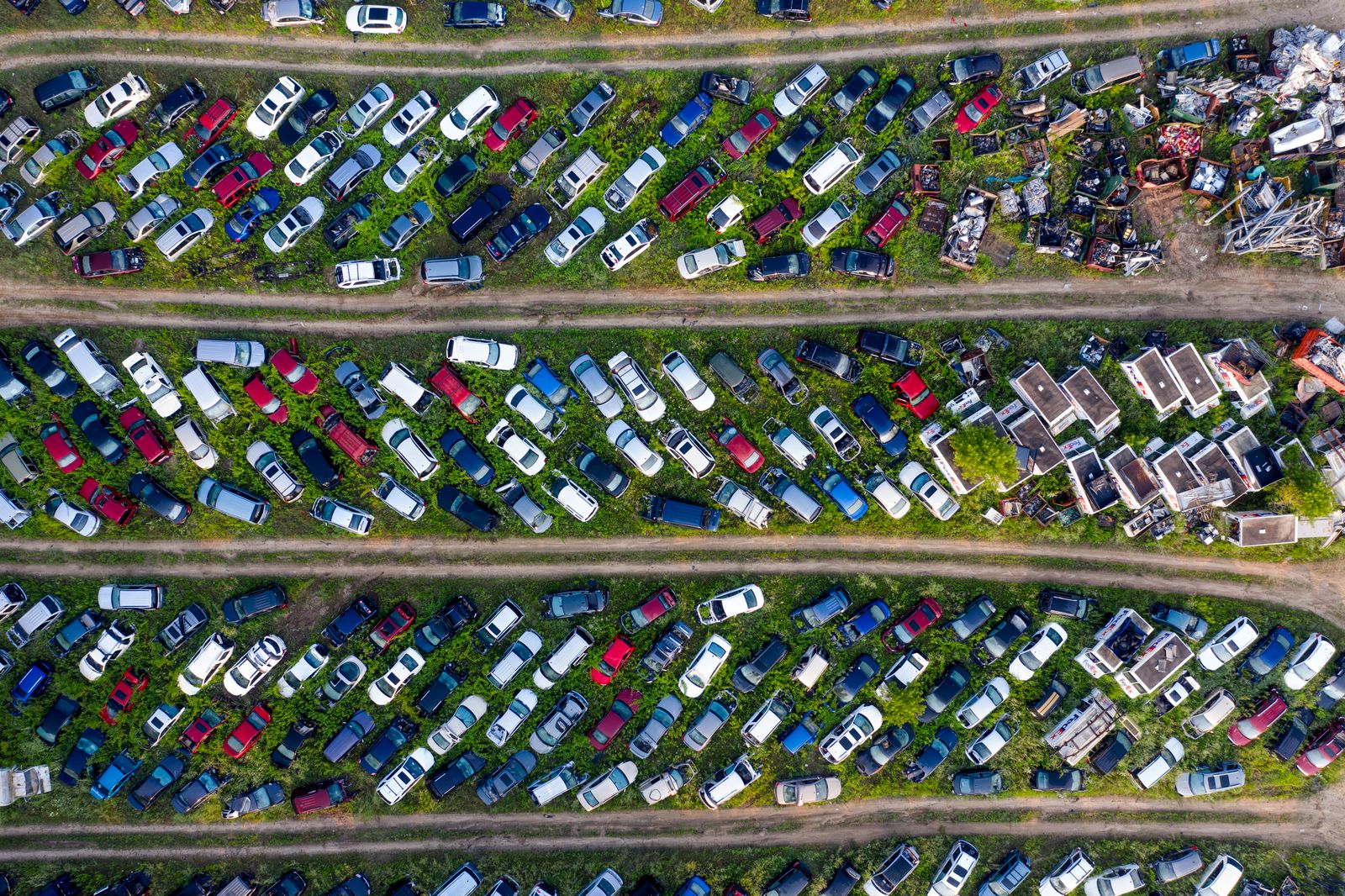
Clean title in the new state. Salvage, two owners ago, in the old one. Same VIN. That’s the whole scam in one sentence.
Title washing is retitling a car so a brand — salvage, flood, junk, rebuilt, lemon — gets dropped or softened because the next state doesn’t carry it the same way, or because nobody checked. It is fraud when it is done on purpose. Your job is to notice, not to learn the recipe. Late September 2026, flood cars from coastal seasons are still the classic wash, and they do not all stay in the state that got the water.
You are not going to see a row labeled “we washed this.” You see a title chain that gets simpler after a state line, an auction in between, and a seller who talks about “rebuilt cosmetics” without paperwork.
A cross-state checklist that fits on a phone
- Read every state in the ownership history, not just the current plate.
- Look for salvage, rebuilt, flood, fire, lemon, junk, or “not actual” mileage — then a later title that says none of that.
- Check NMVTIS through an approved provider, not a random “free CARFAX” banner. NMVTIS is the federal title-brand system insurers and junk yards have to feed. It still misses some repairs. It is stubborn about brands.
- Pull AutoCheck if the car smells like a lane unit. Auction announcements sometimes survive when a state title got quiet. Auction history.
- Compare dates. A total-loss row, then a quick retitle two states away, is not a coincidence you price as “one owner highway miles.”
Here’s the catch. States don’t share one brand dictionary. A threshold that totals a car in one place is a repairable claim in another. That isn’t always a wash. Sometimes it’s just the law. You still want the old brand visible. Why salvage rules change by state and where salvage titles pile up.
So if the history shows Florida, then a landlocked retail ad with no brand and a new coat of undercoating, slow down. Flood tells in the car itself.
Physical tells the title clerk never types
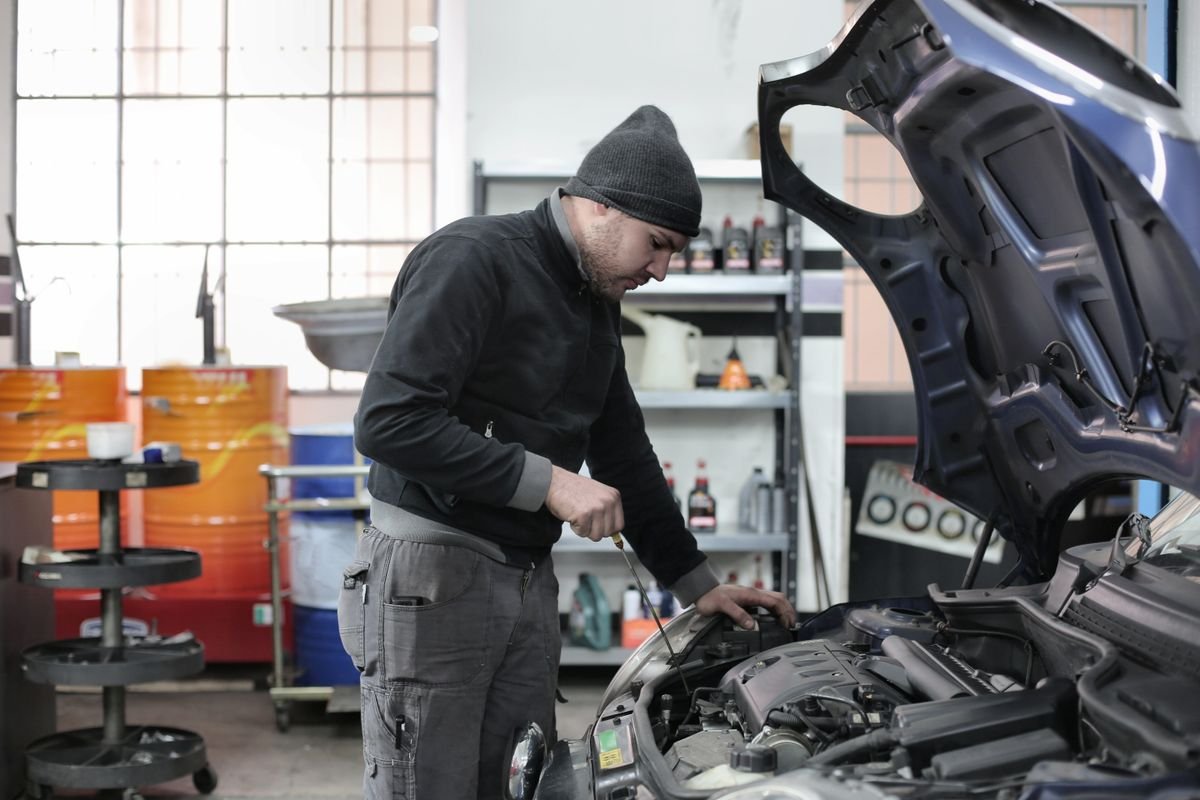
Look under the carpets for silt, at seat bolts for corrosion, in the spare well, and at electrical connectors. Washed titles don’t de-rust a floor pan. A musty “we detailed it” story after a hurricane season move is a script.
We’ve pulled reports where the CARFAX looked newly boring and the AutoCheck still carried a salvage auction. One database updated to the new title. The other remembered the lane. What each one catches. AutoCheck versus NMVTIS if you want the federal core spelled out.
Blunt risk — the seller’s “clean CARFAX” PDF is sometimes a real report on a different VIN, or an edited one. Match the header to the dash. Verify the PDF. And don’t pay a $1 trial site to “unwash” anything. That’s subscription bait wearing a detective hat.
What you do when the chain looks shaved
Walk, or price it as a branded car with a paperwork problem, which means many lenders will not want it. Insurance can get picky. The next buyer will find what you found, unless they don’t look, and that is a lousy person to depend on for your resale.
Official report prices: CARFAX retail often $39.99–$44.99, confirm. Guest about $5.50, member about $4.50, bundle about $6.75, credits from around $3. Confirm at checkout. Two reports on a suspicious VIN are cheaper than a washed flood car. Bundle.
Honestly, we are a licensed reseller of the official reports, not affiliated with CARFAX, AutoCheck, or Experian. We don’t launder titles and we don’t certify a “clean” stamp. If the old state branded it, believe the old state until a new official report proves the brand was a typo.
Follow the VIN across every state line on the page. The wash lives in the gap.
What not to do with the suspicion
Don’t post the seller’s name and a theory as fact if all you have is a confusing title chain. Do save the reports, the title photos, and the state sequence. If you already bought and you believe you were lied to, that’s a DMV and attorney-general conversation, not a Reddit thread we can script. Bring the VIN history. Clerks like documents.
Insurance applications that hide a known brand are how people get claims denied later. If you knew and you “forgot,” that is your problem at the worst moment. We’ve seen buyers discover the wash after a crash, which is the most expensive time to become curious.
A rebuilt title that stays rebuilt is not a wash. It’s a disclosure. You can buy it on purpose. Rebuilt titles. The wash is the disappearance, not the existence, of the brand.
Run the VIN you read off the car, not the VIN in the ad, then line the states up oldest to newest. If the story gets cleaner as it travels, the car did not get younger. It got retitled.
Comments (0)
No comments yet. Be the first to share your thoughts!
Log in to leave a comment.