
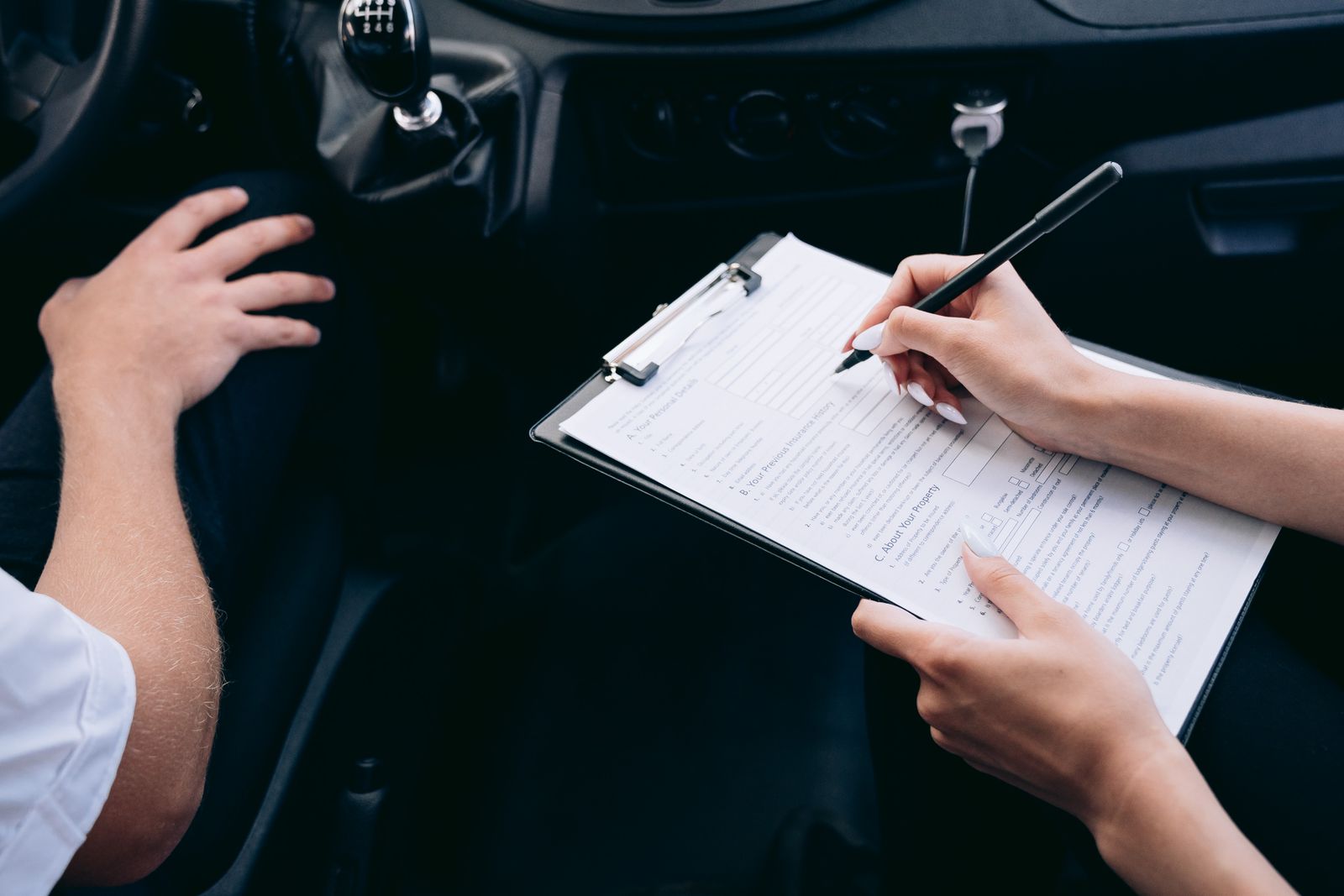
The seller texted a VIN. The windshield photo is mostly glare and a finger. You still don’t know which car this is.
The VIN is 17 characters on anything you’ll meet from the 1981 model year forward. Late September 2026, the places it lives haven’t gotten more magical. You need two of them to match, plus the title, before you pay for history or a deposit.
Where to look, in the order that survives a hurried test drive:
- Dashboard, driver’s side, visible through the windshield. This is the one photos should show without a thumb.
- Driver’s door jamb sticker or plate when you open the door. Build date and tire info live next to it. Compare, don’t glance.
- Title, registration, and the window sticker or Monroney if the seller still has it.
- Sometimes the insurance card and service invoices. Those can be wrong. The metal and the title win arguments.
Some cars also stamp the VIN on the firewall, the frame, or under a cover in the engine bay. You don’t need a treasure hunt if dash, jamb, and title already agree. If they don’t, the hunt is the whole point.
Verify means compare, not vibe
Write it down or shoot a photo you can zoom. Then check the boring stuff. Position 9 is a check digit — a free decoder will fail a typo. Decoder. Characters I, O, and Q don’t belong in a VIN. Position 10 is the model year and it cycles every 30 years, so T can mean 2026 or 1996. The car in front of you breaks the tie. How to decode the rest.
Here’s the catch. Ads, marketplace autofills, and plate lookups can attach the wrong VIN to a similar car. We’ve seen a listing VIN that decoded to a different body style than the wagon in the driveway. The seller shrugged and said the site did it. The site is not signing your check.
So match dash to jamb to title before you talk price. If the seller “doesn’t have the title handy,” you are not in a normal used-car conversation. You are in a lien or a flip. Lien reported is the history version of that stomachache.
Then run history on the VIN you actually saw
Look: a report on the texted VIN is a report on a string. If the string isn’t on the car, you bought entertainment. Official CARFAX retail often $39.99–$44.99. Confirm. Guest about $5.50, member about $4.50, bundle about $6.75, credits from around $3. Confirm at checkout. Plates are a shortcut on some products and a privacy mess on others. Rules vary by state. Plate lookup rules.
Blunt risk — fake PDFs multiply when the seller is in a hurry and “already ran it.” Verify the PDF and still prefer your own pull. Coupon traps that want a subscription to “reveal the VIN history” are the other bill. No subscription required.
Private-party script, once the VIN is real: CARFAX for a private-party buy. Questions worth asking before you even pay for the file: what to ask the seller.
Honestly, we sell official CARFAX and AutoCheck as a licensed reseller. Not affiliated with those brands or Experian. We can’t verify a VIN from a blurry text. You can, with your eyes, in about two minutes.
Dash, jamb, title. Then the report. Deposit last.
Photos worth demanding
Ask for a straight-on shot of the dash VIN and a shot of the door sticker in daylight. Glare is not a personality trait. If they refuse and the car is “at a friend’s,” assume you are being invited to fund a car you will not be allowed to identify.
On a dealer lot, the stock number in the ad is not the VIN. We’ve seen window stickers swapped between two similar trims in the same row. Read the jamb of the car you drove, then make the salesperson pull history on that string while you watch. A report they fetched for the sister car is a different automobile.
Classic cars and kit cars break the 17-character habit. Don’t force a modern decoder to confess a 1968 frame tag. Coverage gets thin. Classic and collector gaps. Thin is not the same as clean.
Write the VIN into your own note before you leave. Memory after a noisy test drive drops characters, and dropped characters fail the check digit — or worse, pass and hit a different vehicle. Your note, the title, the report header. Three copies of one string.
Then, and only then, spend the report money. A perfect history on the wrong VIN is the most expensive free story in used cars.
If a plate lookup and the door jamb disagree, the jamb wins and the lookup was a guess or a stale registration. Run history on the stamped VIN only. We’ve seen plate tools lag a transfer by weeks, long enough to pull a report on the previous car that wore those plates.
Comments (0)
No comments yet. Be the first to share your thoughts!
Log in to leave a comment.