
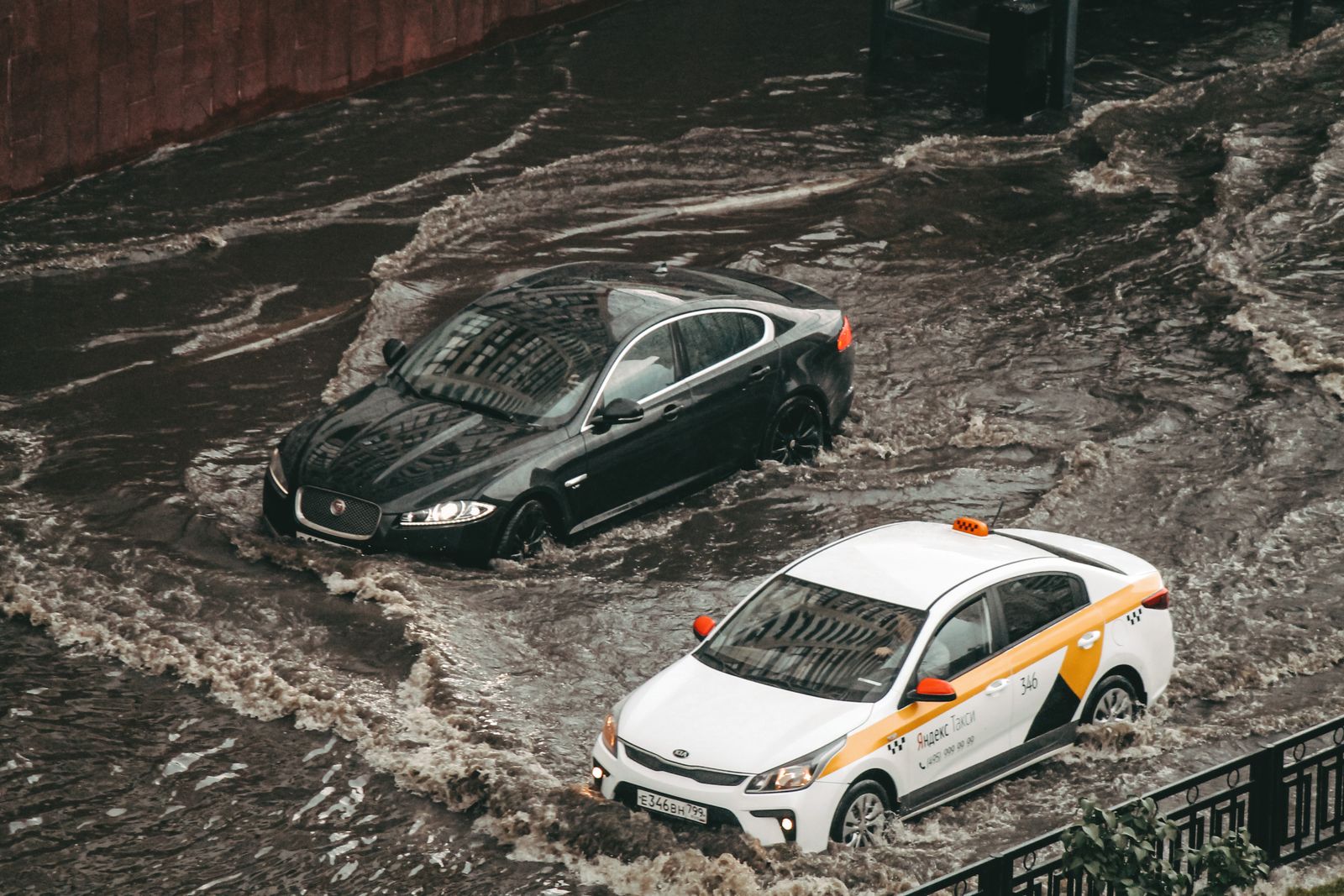
A flood brand that should not be on your vehicle history report is an emergency for resale and financing — proving dryness takes documents and inspections, not a carpet shampoo receipt.
Late September 2026, we still see owners fighting flood marks that arrived from bad data or confused claims. We’ve also seen the opposite: real flood cars with owners insisting the brand is “false.” Truth first.
Late September 2026, official CARFAX and AutoCheck retail singles still get quoted around $39.99–$44.99 depending on the cart (confirm at checkout). Through our licensed reseller checkout, guest reports are about $5.50, member about $4.50, and the CARFAX+AutoCheck bundle about $6.75; credit packs often start near $3. Confirm what your cart shows before you pay. We resell official reports and are not affiliated with CARFAX, AutoCheck, or Experian.
Separate false brand from unwanted brand
Look: if water genuinely happened, the brand may be correct even if you hate it. If the VIN never flooded, you need insurer letters, inspection reports, and title evidence to push a correction. NHTSA still warns about flood-damaged vehicles for good safety reasons — databases take that seriously.
Here’s the catch. Report rows and title brands are buyer tools only when you read them against documents and the car in front of you. Related reading on this site includes disputing a title brand on the report, what a flood title means, and title washing primer.
If water genuinely happened, the brand may be correct even when you hate it. If the VIN never flooded, you need insurer letters, inspection reports, and title evidence to push a correction. NHTSA still warns about flood-damaged vehicles for safety reasons — history databases take those brands seriously, and so should you.
Honestly, we’ve seen shoppers treat ugly rows as background noise until a lender or appraiser repeated them. Slow down and gather exhibits before you argue price.
- Match dash VIN, door sticker, and report header character for character.
- Gather letterhead docs, estimates, photos, and title copies — not screenshots alone.
- File corrections on CARFAX and, when mirrored, AutoCheck with the same exhibit set.
- Treat pending disputes as live risk until a fresh dated PDF shows the change.
Correction path
So assemble proof: storage records, claim denials, independent inspections, title copies. File CARFAX/AutoCheck disputes with clean exhibits. Here’s the catch: a detail shop invoice is not a moisture forensic report.
Assemble storage records, claim denials, independent moisture or flood inspections, and title copies. File CARFAX and AutoCheck disputes with clean exhibits. A detail-shop invoice and a carpet shampoo receipt are not a forensic moisture report — reviewers know the difference.
Blunt risk: closing because someone “already disputed it” without a dated correction outcome on a fresh pull. Feeds update. Fake PDFs exist. Your own checkout timed to the appointment is cheaper than a surprise row.
Buyer warning
Blunt risk: buying because the seller says the flood brand is “in dispute.” Pending is not cleared. Walk or price as branded until the PDF changes.
Pair this with flood-title explainers and title-washing literacy when the car hopped states.
Pending is not cleared. Walk or price the car as branded until the PDF changes. Pair flood-title literacy with title-washing skepticism when the car hopped states after a storm window.
We’ve coached owners and buyers through correction queues that moved only after complete exhibits landed. Archive every report, title photo, and submission receipt.
Ugly rows stick until documents move them. Buy the fresh report, assemble the file, crawl the car, then talk price — not the other way around.
We’ve compared twin listings with similar photos where only one VIN carried a flood or water row. Separate pulls beat twin ads every time.
Physical tells still matter while a dispute sits open: spare-well silt, seat-rail corrosion, fogged lamps, and fresh under-carpet fasteners.
Call lenders and insurers with the brand spelled out before you bond with the color — flood brands change desk appetite fast.
We’ve compared twin listings with similar photos where only one VIN carried a flood or water row. Separate pulls beat twin ads every time.
Physical tells still matter while a dispute sits open: spare-well silt, seat-rail corrosion, fogged lamps, and fresh under-carpet fasteners.
Comments (0)
No comments yet. Be the first to share your thoughts!
Log in to leave a comment.