
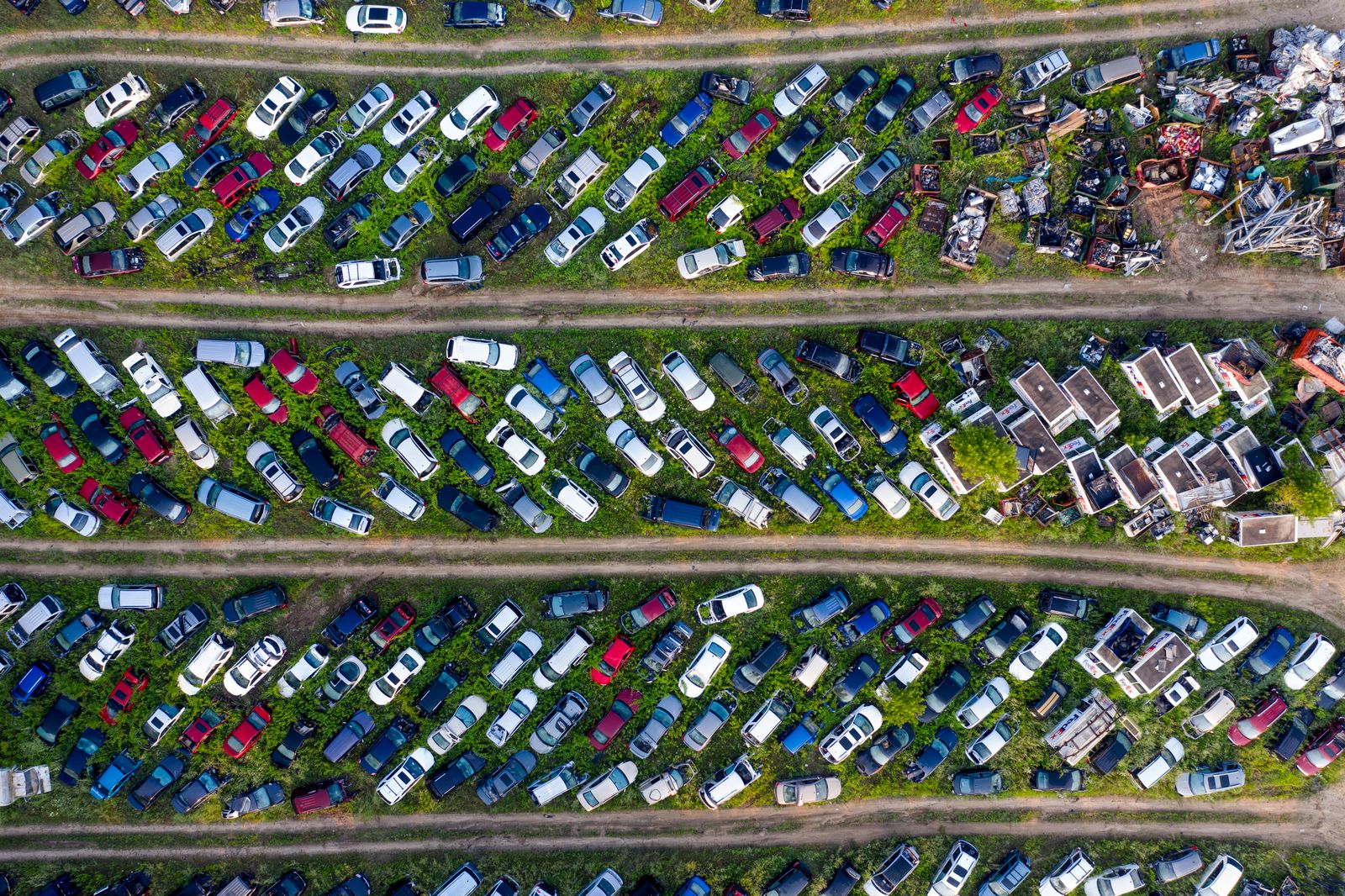
A fire-damage title brand is not a “cosmetic smoke” discount. Early October 2026, we still see Marketplace ads that call a branded SUV “lightly smoked” after a garage or wildfire event, then act shocked when a mechanic finds melted harness tape or a module that fails the first heat soak. Heat rewrites plastics and electronics in ways polish cannot undo.
Early October 2026, retail singles still get quoted around $39.99–$44.99 depending on the brand cart — confirm at checkout because the number moves. Through our licensed reseller checkout, guest reports land about $5.50, member about $4.50, and the CARFAX+AutoCheck bundle about $6.75; credit packs often start near $3. We resell official reports and are not affiliated with CARFAX, AutoCheck, or Experian.
We’ve pulled reseller reports for shoppers who already booked a transport on a “clean looking” truck and only afterward noticed AutoCheck or CARFAX logging fire-related branding or insurance total-loss language the seller never said out loud. Look: AAMVA salvage materials and state DMV salvage pages exist because fire paths are not the same as a hail ding. Honestly, if the cabin still smells like a campfire when the heater runs, believe your nose before the listing copy.
What a fire-damage brand actually means
States brand titles when fire damage hits insurance total-loss or statutory salvage thresholds. The face of the title may say fire, salvage, or a combined brand depending on the jurisdiction. NMVTIS and commercial history files often carry that brand forward even after a rebuild. Related: fire damage brand on title, California wildfire salvage cars, and what is a branded title.
Here’s the catch. Not every scorched plastic clip becomes a brand on day one — and not every brand means the car is scrap. So, you still need the live report plus an inspection that opens harnesses and scans modules, not just a paint correction quote. Use NMVTIS brand codes explained when the seller says “the state cleared it,” and title brand removed myth when they claim a brand can quietly disappear after a detail.
We’ve seen deals where the exterior looked showroom-ready while the under-dash foam still reeked and the OBD scan threw random body-control codes. That is not “needs a cabin filter.” Photograph title brands, pull both history files yourself, and ask the indie shop to look for heat-shrunk wiring, blistered connectors, and airbag clock-spring damage before you wire a deposit.
Also compare geography. A car that sat in a wildfire corridor or a warehouse fire lot can look fine in dry weather and fail after the first rain drives moisture into compromised seals. Pair the brand check with prior total loss clean title when the seller insists the title is “basically clean now,” and clean title after salvage red flags when paperwork jumped states after the loss.
Buyer sequence before you commit
- Pull AutoCheck and CARFAX the day you negotiate — guest ~$5.50 / member ~$4.50 / bundle ~$6.75; confirm at checkout; retail often $39.99–$44.99 — run the VIN you typed yourself, not the seller’s PDF.
- Match NMVTIS for fire/salvage/junk brands; stop if you need a normal commute car and the brand is present.
- Independent inspection with cabin-heater smell test, harness look, and full module scan.
- Get insurance quote intent in writing before you buy — some carriers decline fire-branded rebuilds.
- Walk if the seller blocks a live pull or treats smoke smell as “just needs Ozium.”
Blunt risk: buying a “lightly smoked” crossover for a teen commute because the paint corrected well, then learning fire branding still sits on NMVTIS and modules fail after the first heat wave. Related: rebuilt title insurance quotes, private-party salvage title red flags, and title washing across state lines.
Early October 2026 out-of-state ads still market fire-corridor inventory as cosmetic bargains. We’re a licensed reseller of official reports — not affiliated with CARFAX, AutoCheck, Experian, or any state DMV. If the seller only offers a cropped PDF or refuses a live pull, believe the refusal. Confirm checkout prices, keep both history PDFs with inspection photos, and walk when smoke smell returns on the heater.
Also compare hail damage salvage title when sellers blur weather brands to soften the story — different damage, same “it’s fine now” speech. Sleep on any same-day wire rush overnight. Keep the folder boring — live report PDFs, NMVTIS screenshots, and a hard no on mystery fire brands.
Comments (0)
No comments yet. Be the first to share your thoughts!
Log in to leave a comment.