
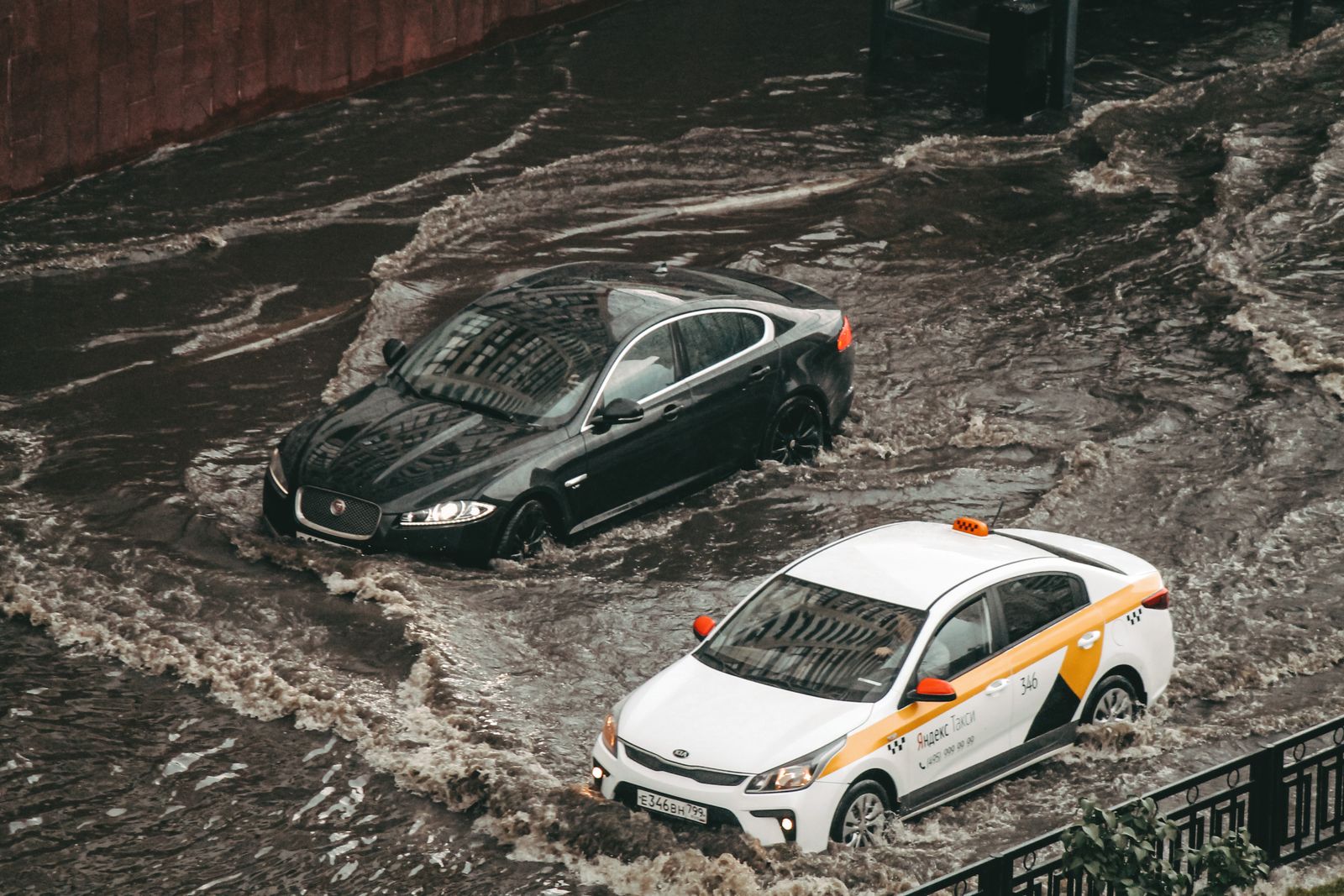
Flood damage loves electrical systems. Water that looked “dried out” in a sunny listing photo still leaves corrosion in connectors, under carpets, and inside modules that fail weeks or months later. Early October 2026, we still see private-party cars with clean-looking paint and a fuse box that smells like a wet basement when you pull the cover.
Early October 2026, retail singles still get quoted around $39.99–$44.99 depending on the brand cart — confirm at checkout because the number moves. Through our licensed reseller checkout, guest reports land about $5.50, member about $4.50, and the CARFAX+AutoCheck bundle about $6.75; credit packs often start near $3. We resell official reports and are not affiliated with CARFAX, AutoCheck, or Experian.
We’ve pulled reseller reports after a PPI found silt in a taillight and green crust on ground straps while the seller swore it was “just a spill.” Look: NHTSA flood-damaged vehicle guidance and Consumer Reports flood warnings exist because electrical gremlins are not cosmetic — they are how airbags, ABS, and power steering quit at the wrong time. Honestly, a cheap price on a storm-year VIN is not a bargain if the wiring harness is the salvage.
Electrical signs that should stop the deal
Watch for intermittent warning lights that clear then return, modules that need repeated coding, corroded battery trays and ground points, moisture under spare-tire wells, fogged lamps with silt lines, and musty carpet that returns after detailing. Related: flood car smell and corrosion signs, water damage vs flood title, and flood title vs salvage title.
Here’s the catch. Some electrical faults are ordinary used-car problems — a weak alternator is not automatically a hurricane story. So, pair the physical clues with NMVTIS and both commercial reports the day you negotiate. Use Hurricane Katrina flood cars and Hurricane Rita flood cars when the VIN’s timeline sits in a known storm corridor and the seller acts surprised.
We’ve seen cars pass a short test drive with every light off, then throw multiple module codes after a rainstorm because water was still trapped in a harness channel. A dry afternoon drive is not a flood clearance certificate. Ask an independent shop for a moisture and corrosion inspection that includes seat rails, ECU connectors, and the cabin filter box — not just a code reader reset.
Title brands matter, but washed flood cars still move. If NMVTIS or AutoCheck/CARFAX shows flood or salvage from a storm year, believe the database over the detailer’s scent spray. Guest pulls around $5.50 still beat buying a harness replacement project dressed as a commute car.
Buyer sequence before you wire money
- Pull AutoCheck and CARFAX the day you negotiate — guest ~$5.50 / member ~$4.50 / bundle ~$6.75; confirm at checkout; retail often $39.99–$44.99 — do not accept the seller’s PDF as the only file.
- Pull carpets/spare well (with permission) and photograph any silt or corrosion.
- Scan for moisture lines in lamps, seat foam, and under-hood fuse boxes.
- Get an independent electrical/moisture PPI; walk on intermittent multi-module faults.
- Match flood/salvage brands on NMVTIS before any deposit.
Blunt risk: buying a “detailed” sedan after a storm year because it drove fine for twenty minutes, then spending the next year chasing random electrical failures your insurer will not treat as a surprise. Related: NMVTIS vs CARFAX, private-party salvage title red flags, and what is a branded title.
Early October 2026 listings still hide flood history behind new floor mats. We’re a licensed reseller — not affiliated with CARFAX, AutoCheck, Experian, or NHTSA. If the seller only offers a cropped PDF or refuses a live pull, believe the refusal. Confirm checkout prices, keep both history PDFs with moisture photos, and walk when the electrical story and the storm-year VIN do not line up.
Also compare clean title after salvage red flags when they claim the flood brand “fell off” after an out-of-state retitle. Sleep on any same-day wire rush overnight. Keep the folder boring — live report PDFs, PPI notes, and a hard no on musty cars with mystery codes.
Comments (0)
No comments yet. Be the first to share your thoughts!
Log in to leave a comment.