
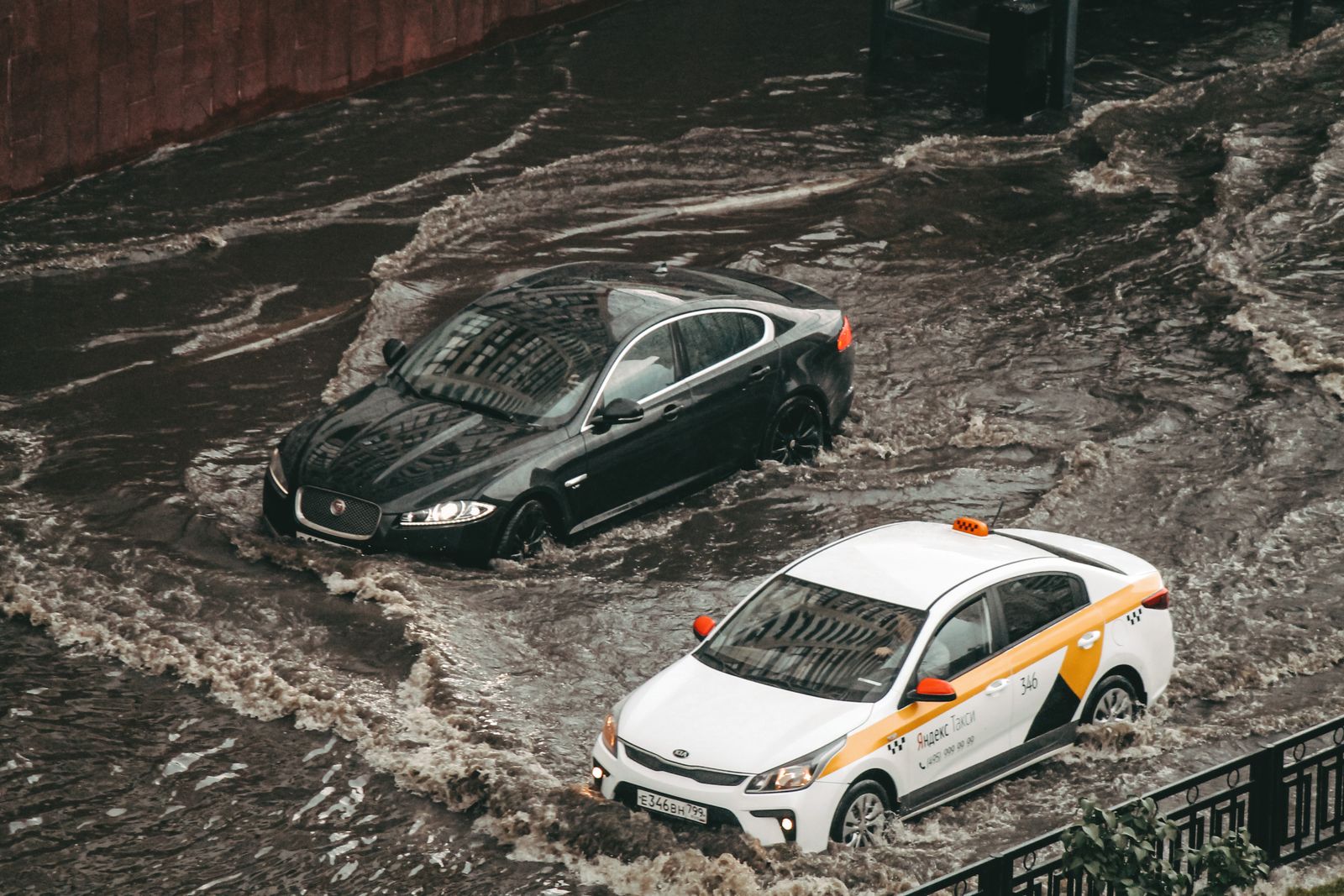
Hurricane Katrina flood cars are not a closed 2005 news story. After the August 2005 storm and the levee failures that followed, hundreds of thousands of Gulf Coast vehicles took salt or freshwater damage — and early October 2026 shoppers still bump into Katrina-era geography, washed titles, and “never flooded” speeches on cars that spent weeks in contaminated water.
Early October 2026, retail singles still get quoted around $39.99–$44.99 depending on the brand cart — confirm at checkout because the number moves. Through our licensed reseller checkout, guest reports land about $5.50, member about $4.50, and the CARFAX+AutoCheck bundle about $6.75; credit packs often start near $3. We resell official reports and are not affiliated with CARFAX, AutoCheck, or Experian.
We’ve pulled reseller reports where the first title state looked Midwest-clean until older registration and auction notes pointed back to Louisiana or Mississippi timelines that only make sense after a surge. Look: NHTSA’s hurricane- and flood-damaged vehicle guidance still tells buyers to check title history through NMVTIS and to watch for musty odors, silt, waterlines, and corrosion that cosmetics hide. Honestly, “it was a Katrina car but dried out fine” is not a mechanical warranty.
Why Katrina inventory still matters two decades later
Flood damage is electrical and corrosion damage with a long tail — connectors, modules, restraints, bearings, and brake components can fail years after the water recedes. Consumer Reports has warned for years about flooded cars reappearing far from the storm footprint after title washing and interstate flips. NICB’s post-Katrina consumer VIN tools helped seed what became broader VINCheck-style salvage checks; the point for buyers is the same: free or cheap VIN screens are a start, not a substitute for a full history pull plus a moisture-aware PPI. Related storm cluster: Hurricane Harvey flood cars, Hurricane Sandy flood cars still selling, and Hurricane Irma flood cars.
Here’s the catch. Not every Katrina-touched VIN carries a neat “flood” brand forever. Some cars were totaled and branded; others moved through salvage auctions; some changed states before brand rules matched. NMVTIS brand history and multi-source reports (CARFAX + AutoCheck) catch different slices. So, a clean-looking current title photo is not proof the cabin never sat in brine. Use flood title vs salvage title and title washing across state lines when the seller shrugs geography.
Louisiana reconstructed and salvage paths still matter for Gulf metal that was rebuilt locally. Pair this page with Louisiana salvage→reconstructed rules when the paper says reconstructed and the seller says “just old paint.”
Buyer sequence for Katrina-era risk
- Pull AutoCheck and CARFAX the day you negotiate — guest ~$5.50 / member ~$4.50 / bundle ~$6.75; confirm at checkout; retail often $39.99–$44.99.
- Map early title/registration geography against Katrina’s Louisiana / Mississippi / Alabama footprint and evacuation sales paths.
- Photograph the physical title brand; match flood/salvage/reconstructed language on NMVTIS.
- PPI with moisture meters, under-carpet checks, spare-tire wells, and connector inspections — not a parking-lot idle.
- Walk from any seller who refuses a live VIN pull or only emails an ancient PDF.
Blunt risk: wiring a deposit for a “one-owner Midwest sedan, never flooded” because the cabin smells like cleaner, then discovering older Gulf registration, auction flood notes, or corrosion patterns that only make sense after saltwater. Related: prior total loss with clean-looking title, NMVTIS vs CARFAX, and Hurricane Ida flood cars.
Early October 2026 used inventory still carries multi-storm leftovers — Katrina is the long tail, not the only surge season. We’re a licensed reseller of official reports — not affiliated with CARFAX, AutoCheck, Experian, NHTSA, or NICB. If the seller only offers a cropped PDF or refuses a live pull, believe the refusal. Confirm checkout prices, keep both history PDFs with moisture-meter photos, and walk when the Katrina-era geography and the “never flooded” speech don’t line up.
Also remember rebuilt flood cars can look prettier than their electrical futures. Use should you buy a rebuilt title car and branded title vs clean title when the discount only makes sense if you ignore water. Sleep on any same-day wire rush overnight. Keep the folder boring — live report PDFs, under-carpet photos, and a hard no when the VIN history smells like surge.

Comments (0)
No comments yet. Be the first to share your thoughts!
Log in to leave a comment.