
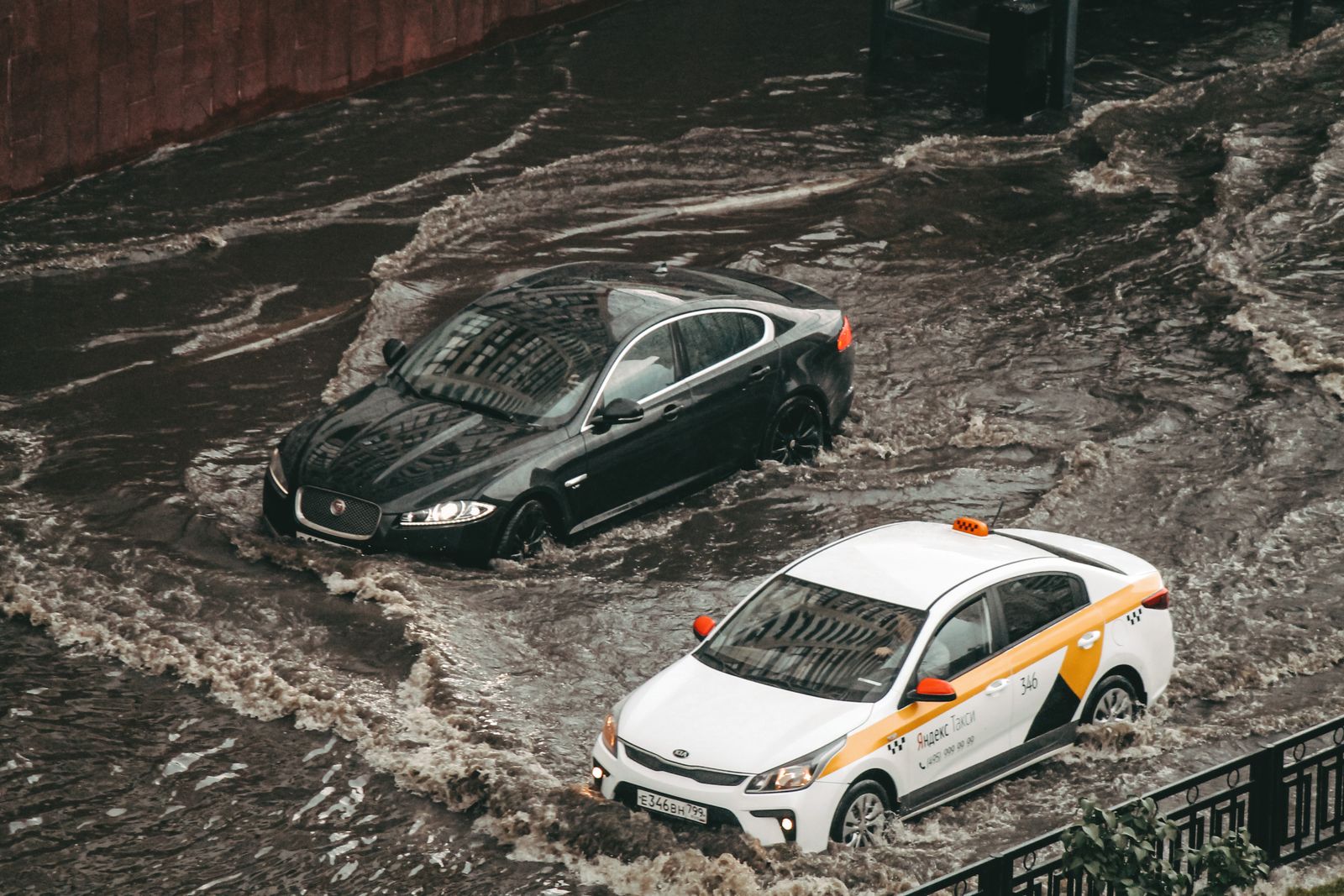
Hurricane Harvey flood cars from 2017 are still circulating in 2026 — not as museum pieces, but as cheap “clean title” sedans far from Houston. Water damage doesn’t expire when the news cycle does; you need VIN checks, flood inspection habits, and skepticism toward out-of-state bargains with Texas DNA.
Late September into early October 2026, retail singles still get quoted around $39.99–$44.99 depending on the brand cart — confirm at checkout because the number moves. Through our licensed reseller checkout, guest reports land about $5.50, member about $4.50, and the CARFAX+AutoCheck bundle about $6.75; credit packs often start near $3. We resell official reports and are not affiliated with CARFAX, AutoCheck, or Experian.
We’ve pulled reports for buyers in dry states who couldn’t smell Houston humidity on a car that still carried Harvey-era auction or flood breadcrumbs. NICB warned early about Harvey flood-damaged vehicles hitting the market; major outlets covered the tow-out scale in Houston at the time. Look, nearly a decade later the metal can still show up with washed paper, incomplete claims, or owners who never branded the car because they lacked comprehensive coverage.
Why Harvey inventory still matters in late 2026
Flood cars move through salvage auctions, rebuild shops, and interstate flips for years. NHTSA’s flood-damaged vehicle guidance and Consumer Reports’ flooded-car warnings both stress VIN history checks and mechanical inspection because electronic corrosion and mold don’t politely announce themselves in a parking-lot test drive. Here’s the catch. A clean-looking title after an uninsured owner or a wash path can hide water history that never hit a brand. Related: Houston Harvey flooded cars 2026, Sandy flood cars still selling, and Ian flood cars still selling.
Pull CARFAX and AutoCheck the day you negotiate — guest ~$5.50 / member ~$4.50 / bundle ~$6.75; confirm at checkout; retail often $39.99–$44.99 — and run NMVTIS brand language too. Compare ownership geography around August–September 2017 and any later salvage auctions. CNBC and AAA pieces on flood cars keep repeating the same shopper mistakes: trusting smell alone, skipping the lift, and believing a seller PDF. So, do the boring VIN work first.
Harvey also overlaps with later Gulf and Atlantic storms in the used pipeline. A lot that once held Harvey cars now holds Ian, Helene, and Milton inventory too. That doesn’t make a 2017 VIN safer — it means flood habits have to stay permanent in your buying process. We’ve seen Harvey-era VINs sit next to newer hurricane cars in the same reseller pulls.
Practical flood checks beyond the PDF
- Smell carpet and trunk wells; lift pads for silt and rust lines.
- Check seat tracks, fuse boxes, and connector corrosion.
- Scan for moisture in lights and inconsistent interior wear.
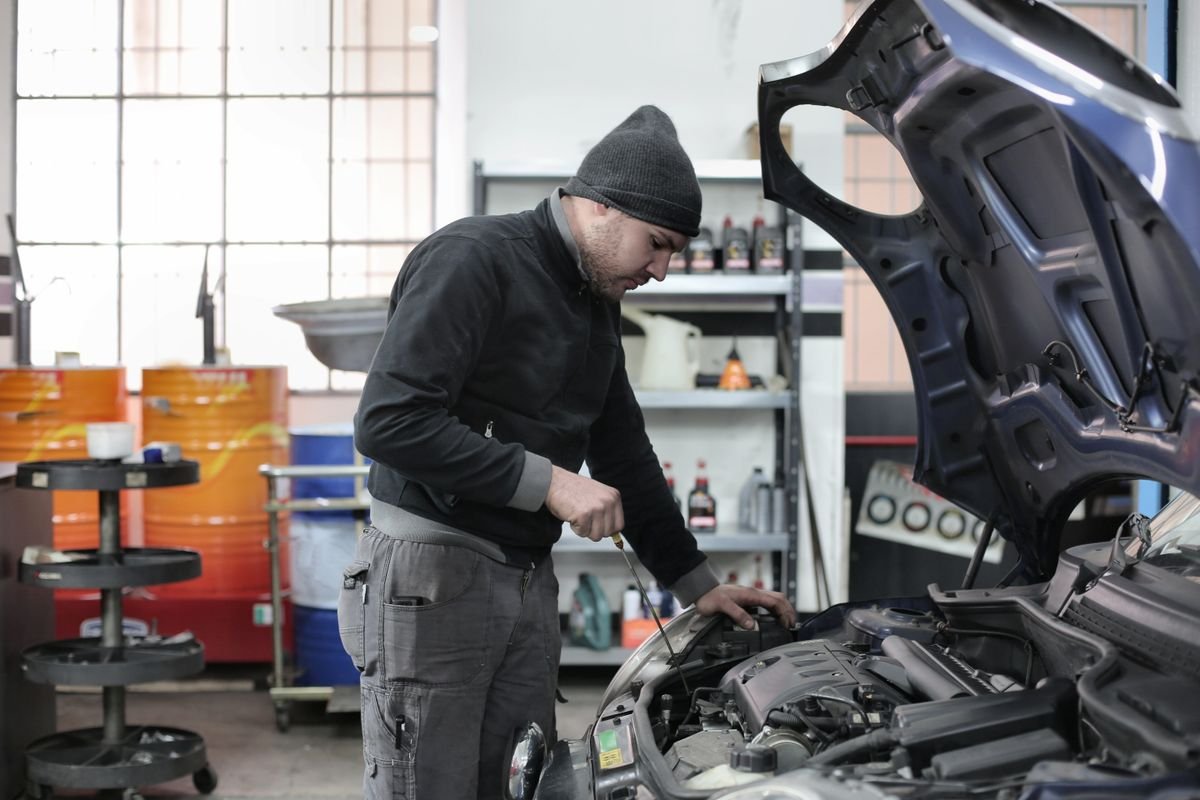
- Ask for a PPI that includes moisture meters and underbody focus.
- Refuse seller PDFs; do a live VIN pull yourself.
Blunt risk: buying a “Texas one-owner” SUV in another state because the price undercuts comps, then discovering flood modules after the first rain. Related: Helene flood cars, financing a flood-title car, and how to spot title washing.
Early October 2026 storm seasons still recycle older flood metal into the same lots as newer hurricane cars. Treat Texas Gulf Coast provenance as a reason to inspect harder. We’re a licensed reseller — not affiliated with CARFAX, AutoCheck, Experian, or NHTSA. If the seller won’t allow a live pull or a real PPI, walk. Confirm checkout prices, keep both history PDFs with photos of the underbody, and overweight what you smell in the carpet when the ad says “never flooded.” One live file beats a decade of seller storytelling.
Also compare Harvey-era cars against newer storm inventory with the same inspection discipline. Sellers sometimes imply “2017 flood is old news” as if corrosion clocks reset. They don’t. Airbag modules, body control computers, and seat wiring still fail years later when moisture wicked into connectors. If the car’s ownership map includes Houston, Beaumont, or coastal Louisiana around late 2017, slow down even when today’s title looks clean. Related: Milton flood cars in Florida for how newer storms rhyme with older ones.
Comments (0)
No comments yet. Be the first to share your thoughts!
Log in to leave a comment.