
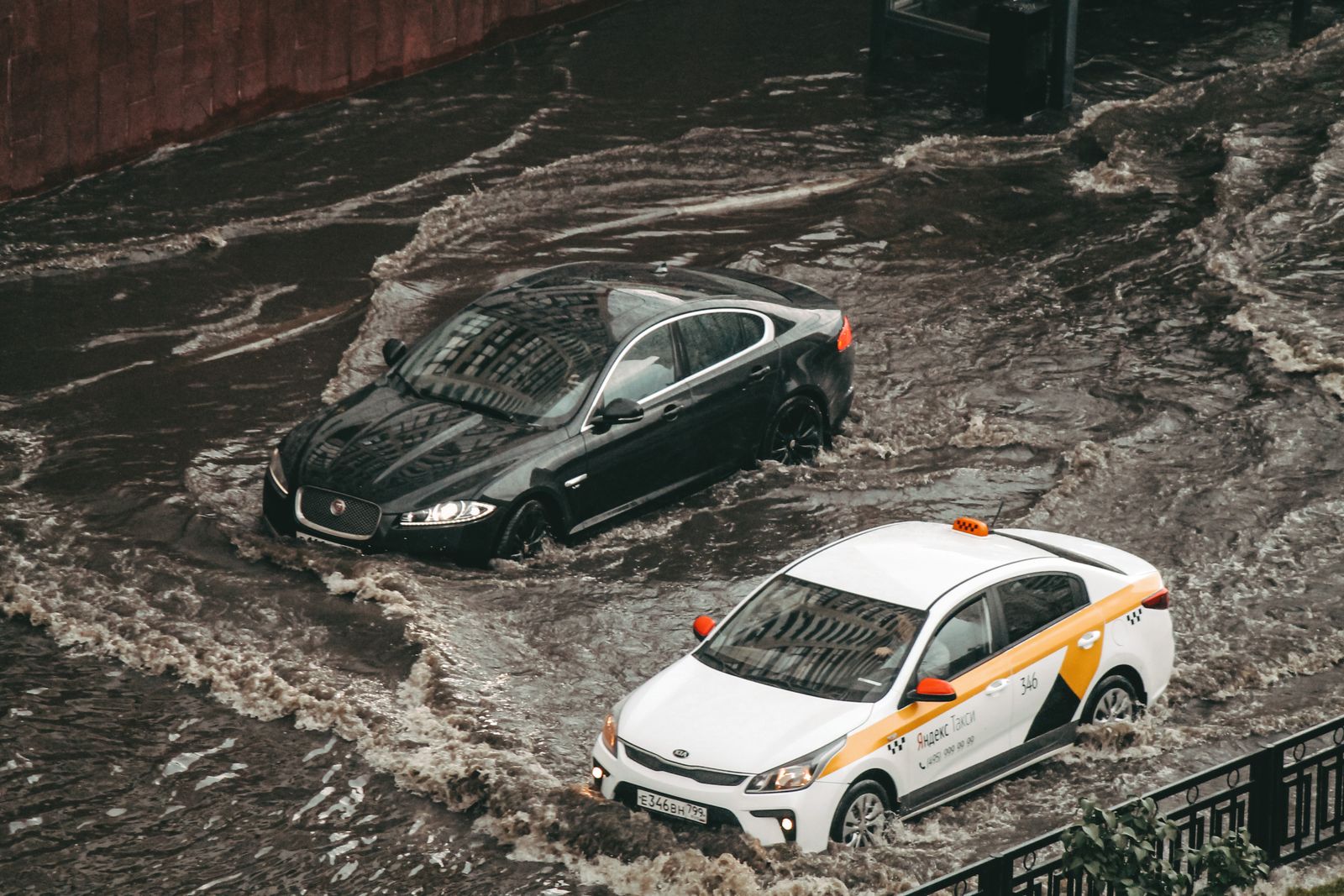
A flooded EV is not a cheap battery with a damp floor mat. Early October 2026, we still see private ads for “garage-kept” electrics that sat in hurricane or flash-flood zones, then hear sellers argue the cabin smells fine so the pack “must be sealed.” High-voltage packs can take on water through vents, damaged underbody armor, or connector paths long after the carpets look dry.
Early October 2026, retail singles still get quoted around $39.99–$44.99 depending on the brand cart — confirm at checkout because the number moves. Through our licensed reseller checkout, guest reports land about $5.50, member about $4.50, and the CARFAX+AutoCheck bundle about $6.75; credit packs often start near $3. We resell official reports and are not affiliated with CARFAX, AutoCheck, or Experian.
We’ve pulled reseller reports for shoppers who almost bought a “bargain” Model-year EV after a coastal storm season and only stopped when AutoCheck or CARFAX showed flood or water-damage branding the seller never mentioned. Look: NHTSA flood-vehicle guidance exists because electrical and battery failures can show up late. Honestly, a detail shop fogging the cabin does not certify a traction battery.
Why EV flood risk is different
ICE flood cars already hide corroded modules and mold. EVs add a multi-thousand-dollar pack, coolant loops, and high-voltage connectors that hate salt water. A pack that looks fine on a short test drive can still fail weeks later. Related: flood car electrical failure signs, flood title vs salvage title, and water damage brand vs flood brand.
Here’s the catch. Not every wet EV ends up with a flood brand on day one — title washing and delayed reporting still happen. So, you need NMVTIS plus live commercial history plus a shop that can inspect underbody armor and pull battery health data, not just a voltage glance on a phone app. Use flood car smell and corrosion signs for cabin tells, and Hurricane Milton flood cars when the VIN geography overlaps recent storm maps.
We’ve seen deals where the seller offered a short test drive with strong SOC numbers while refusing a lift inspection of pack covers and coolant lines. That is not “trust me.” Photograph title brands, ask for battery health printouts from a capable shop, and walk if the underbody shows silt lines or fresh undercoating that stops at weird edges. Compare flood car mold health risks when the cabin still smells sweet-musty after a “professional clean.”
Insurance and safety friction matter next. Some carriers decline flood-branded EVs; others want specialist inspections. Delayed thermal events after water intrusion are exactly why NHTSA warns consumers about flood vehicles. Related: NMVTIS brand codes explained and private-party salvage title red flags.
Buyer sequence before you deposit
- Pull AutoCheck and CARFAX the day you negotiate — guest ~$5.50 / member ~$4.50 / bundle ~$6.75; confirm at checkout; retail often $39.99–$44.99 on the VIN you typed yourself.
- Match NMVTIS for flood/water/salvage/junk brands; stop if you need a normal daily EV.
- Lift inspection of pack armor, connectors, and silt; battery health report from a capable shop.
- Cabin mold and corrosion check even if the seller “already cleaned it.”
- Walk if the seller blocks a live pull or refuses underbody photos.
Blunt risk: buying a storm-zone EV because the range screen looked healthy, then learning a flood brand sits on NMVTIS and the pack needs replacement you cannot finance. Related: Hurricane Idalia flood cars, seller-provided CARFAX red flags, and as-is no warranty still need CARFAX.
Early October 2026 “battery tested fine” captions still deserve a pause after flood seasons. We’re a licensed reseller — not affiliated with CARFAX, AutoCheck, Experian, or NHTSA. If the seller only offers a cropped PDF or refuses a live pull, believe the refusal. Confirm checkout prices, keep both history PDFs with pack photos, and walk when dry carpets are the whole safety argument.
Also compare water damage vs flood title when the seller plays word games about branding. Sleep on any same-day wire rush overnight. Keep the folder boring — live report PDFs, NMVTIS screenshots, and a hard no on mystery coastal EVs.
Comments (0)
No comments yet. Be the first to share your thoughts!
Log in to leave a comment.