
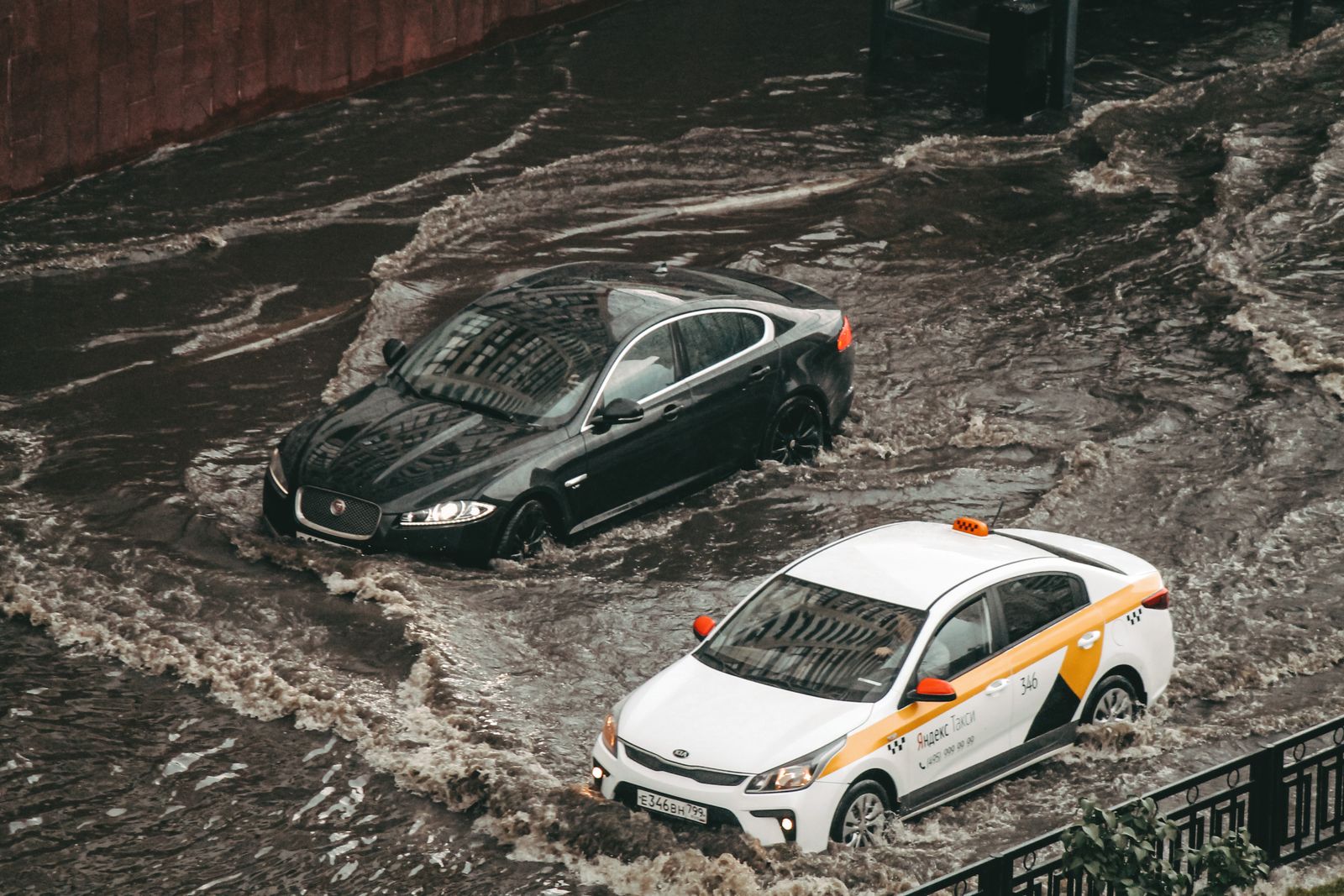
Gas tank strap rust is a flood leftover that survives a detail because fuel-tank straps and cradle hardware trap water and grit after the underbody looks sprayed. Mid October 2026, we still watch shoppers glance at a clean carpet and skip a safe underbody peek at the tank straps and strap bolts. Scale and chalky rings on those straps often outlast the “never flooded” story.
Mid October 2026, retail singles still get quoted around $39.99–$44.99 depending on the brand cart — confirm at checkout because the number moves. Through our licensed reseller checkout, guest reports land about $5.50, member about $4.50, and the CARFAX+AutoCheck bundle about $6.75; credit packs often start near $3. We resell official reports and are not affiliated with CARFAX, AutoCheck, or Experian.
We’ve pulled reseller reports for buyers who almost wired deposits on storm-path trucks with freshly sprayed underbodies, then found flood or water-damage language while the gas tank straps still held orange scale at the bolt ends. Look: NHTSA flood-vehicle guidance exists because underbody water leaves evidence on tank hardware long after the floor pans look detailed. Honestly, if the seller blocks you from a safe underbody peek or treating a strap flashlight check like vandalism, that refusal is louder than any “we just undercoated last month” claim.
Why fuel tank straps keep flood evidence
When flood water rises under the floor, muddy water settles around tank straps, cradle brackets, and filler-neck junctions that ordinary rain rarely packs to a uniform line. Freshwater leaves fine silt and early scale; saltwater leaves worse grit and seized strap hardware that returns after humid weeks. Related: fuel filler neck silt flood, spare tire cradle rust flood, and parking brake cable rust flood.
Here’s the catch. Ordinary road salt, coastal parking, and wet winters can also mark tank straps on working cars. So, compare strap rust to spare-well mud, rocker silt, and registration geography — packed strap scale with a Gulf or flood-county VIN is weirder than a messy salt-belt daily alone. Use water damage brand vs flood brand and saltwater flood vs freshwater when grit and the seller’s story disagree.
We’ve seen deals where the underbody looked freshly sprayed and the gas tank straps still held a chalky ring that matched spare-well mud height. Photograph straps, bolt ends, filler-neck junctions, and any water lines on the floor pan with daylight from the side. Compare undercoating hiding flood damage, battery tray rust flood sign, and rocker panel silt flood when cabin and body evidence stack.
Paperwork still wins arguments. NMVTIS and commercial files can show flood brands a spray can never invents. Related: NMVTIS brand codes explained, flood title vs salvage title, and seller-provided CARFAX red flags.
Buyer sequence before you deposit
- Pull AutoCheck and CARFAX the day you negotiate — guest ~$5.50 / member ~$4.50 / bundle ~$6.75; confirm at checkout; retail often $39.99–$44.99 on the VIN you typed yourself.
- Match NMVTIS for flood/water/salvage/junk brands; stop if you need a normal daily.
- Inspect gas tank straps and filler-neck junctions; photograph scale rings and packed grit.
- Cross-check spare well, rocker drains, and parking-brake cables for matching grit.
- Walk if the seller blocks underbody access or a live history pull.
Blunt risk: paying near-clean money for a “fresh undercoat” SUV, then learning flood branding sits on NMVTIS and tank-strap rust returns after the first humid week. Related: flood car mold health risks, fresh carpet smell flood coverup, and title washing across state lines.
Mid October 2026 “we just undercoated last weekend” captions still deserve a pause after storm seasons. We’re a licensed reseller — not affiliated with CARFAX, AutoCheck, Experian, or NHTSA. If the seller only offers a cropped PDF or refuses a live pull, believe the refusal. Confirm checkout prices, keep both history PDFs with strap photos, and walk when dry claims replace measured scale on the gas tank straps.
Also compare ozone-treated flood car smell and private-party salvage title red flags when the paperwork looks too tidy for a storm-county VIN. Sleep on any same-day wire rush overnight. Keep the folder boring — live report PDFs, NMVTIS screenshots, and a hard no on mystery “fresh undercoat” bargains with rust packed on the fuel tank straps.

Comments (0)
No comments yet. Be the first to share your thoughts!
Log in to leave a comment.