
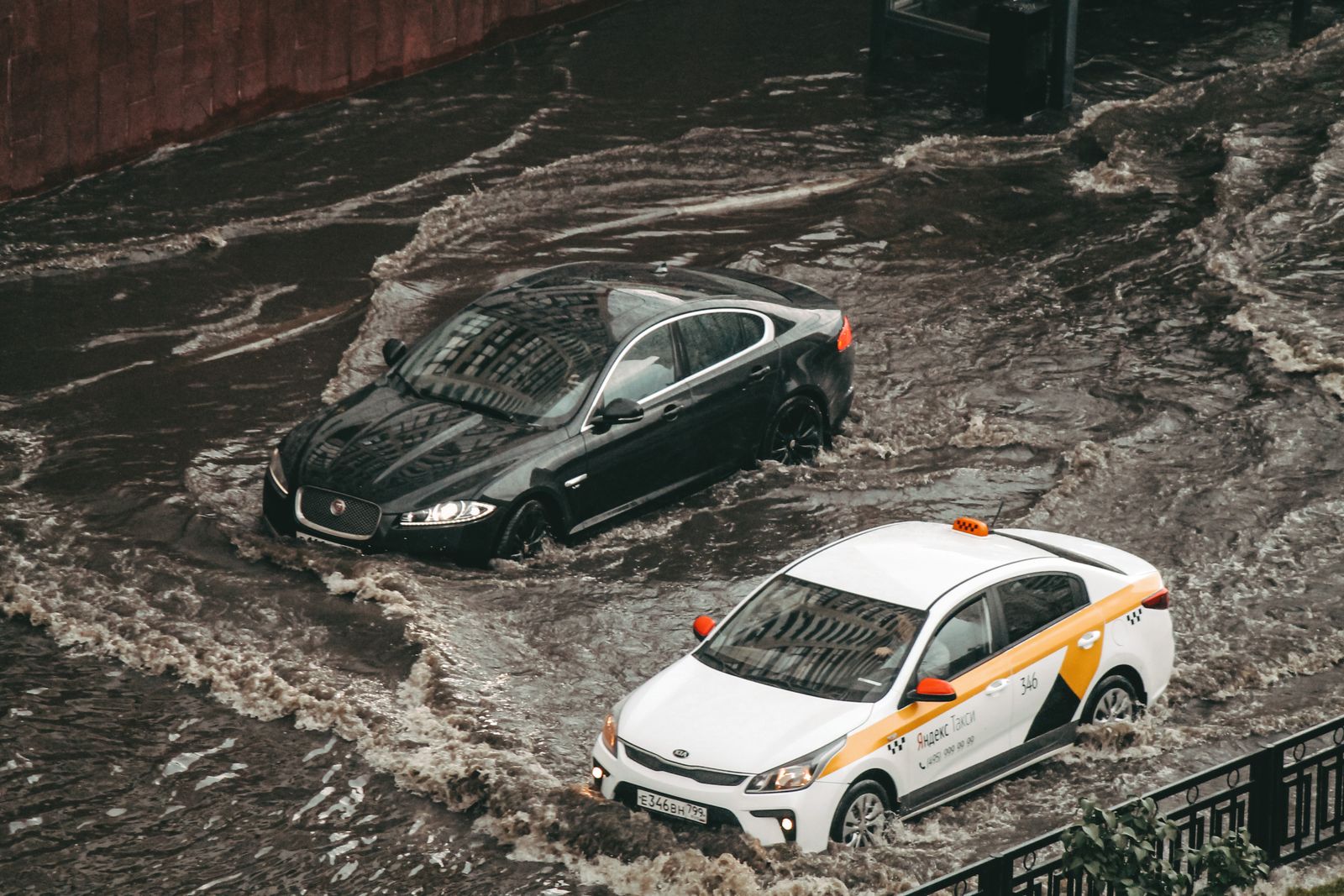
Saltwater flood damage is not “the same as a rainy driveway, just saltier.” Early October 2026, we still see coastal-storm SUVs listed as “freshwater only” with zero proof, then watch buyers discover green crust on connectors after the first humid week. Chloride leftover from seawater keeps eating metals and electronics long after the carpets look dry.
Early October 2026, retail singles still get quoted around $39.99–$44.99 depending on the brand cart — confirm at checkout because the number moves. Through our licensed reseller checkout, guest reports land about $5.50, member about $4.50, and the CARFAX+AutoCheck bundle about $6.75; credit packs often start near $3. We resell official reports and are not affiliated with CARFAX, AutoCheck, or Experian.
We’ve pulled reseller reports for shoppers who almost bought a “garage-cleaned” crossover after a Gulf or Atlantic event and only stopped when AutoCheck or CARFAX showed flood or water-damage branding the seller never mentioned. Look: NHTSA flood-vehicle guidance exists because electrical failures can show up late. Honestly, a detail shop fogging the cabin does not rinse salt out of a wiring loom.
Why saltwater is a different product
Freshwater floods already hide mold, swollen modules, and corroded grounds. Saltwater adds aggressive corrosion on fasteners, brake lines, connectors, and aluminum housings. A car that starts today can still fail weeks later when residual salt pulls moisture. Related: flood car electrical failure signs, flood car smell and corrosion signs, and water damage brand vs flood brand.
Here’s the catch. Sellers love the freshwater story because it sounds milder — and sometimes they have no lab proof either way. So, treat “freshwater only” as marketing unless you have salvage paperwork, insurer notes, or a shop that can document silt chemistry and underbody corrosion patterns. Use flood title vs salvage title when brands are present, and Michigan salt rust vs flood cars when winter road salt gets confused with flood intrusion.
We’ve seen deals where the spare-tire well still held fine grit and the seat tracks showed white salt blooms after a “professional clean.” That is not a cabin-filter job. Photograph under-seat foam, ECU connectors, and brake hard lines. Compare flood car mold health risks when the cabin still smells sweet-musty after ozone, and salt-belt rust vs flood damage when the seller blames every crusty fastener on northern winters.
Title brands and geography matter next. Storm-path VINs can move inland before branding catches up. Pair live history with NMVTIS and storm-era context. Related: Hurricane Idalia flood cars, Hurricane Debby flood cars, and NMVTIS brand codes explained.
Buyer sequence before you deposit
- Pull AutoCheck and CARFAX the day you negotiate — guest ~$5.50 / member ~$4.50 / bundle ~$6.75; confirm at checkout; retail often $39.99–$44.99 on the VIN you typed yourself.
- Match NMVTIS for flood/water/salvage/junk brands; stop if you need a normal daily.
- Lift inspection for silt lines, salt blooms, soft brake lines, and corroded connectors.
- Cabin heater smell test and under-carpet moisture check even after a “detail.”
- Walk if the seller blocks a live pull or insists “freshwater” without paperwork.
Blunt risk: paying near-clean money for a coastal “never flooded” sedan, then learning flood branding sits on NMVTIS and modules fail after humidity returns. Related: seller-provided CARFAX red flags, private-party salvage title red flags, and title washing across state lines.
Early October 2026 “just river water” captions still deserve a pause after coastal seasons. We’re a licensed reseller — not affiliated with CARFAX, AutoCheck, Experian, or NHTSA. If the seller only offers a cropped PDF or refuses a live pull, believe the refusal. Confirm checkout prices, keep both history PDFs with underbody photos, and walk when dry carpets are the whole corrosion argument.
Also compare Hurricane Milton flood cars when the VIN geography overlaps recent storm maps. Sleep on any same-day wire rush overnight. Keep the folder boring — live report PDFs, NMVTIS screenshots, and a hard no on mystery coastal bargains.

Comments (0)
No comments yet. Be the first to share your thoughts!
Log in to leave a comment.