
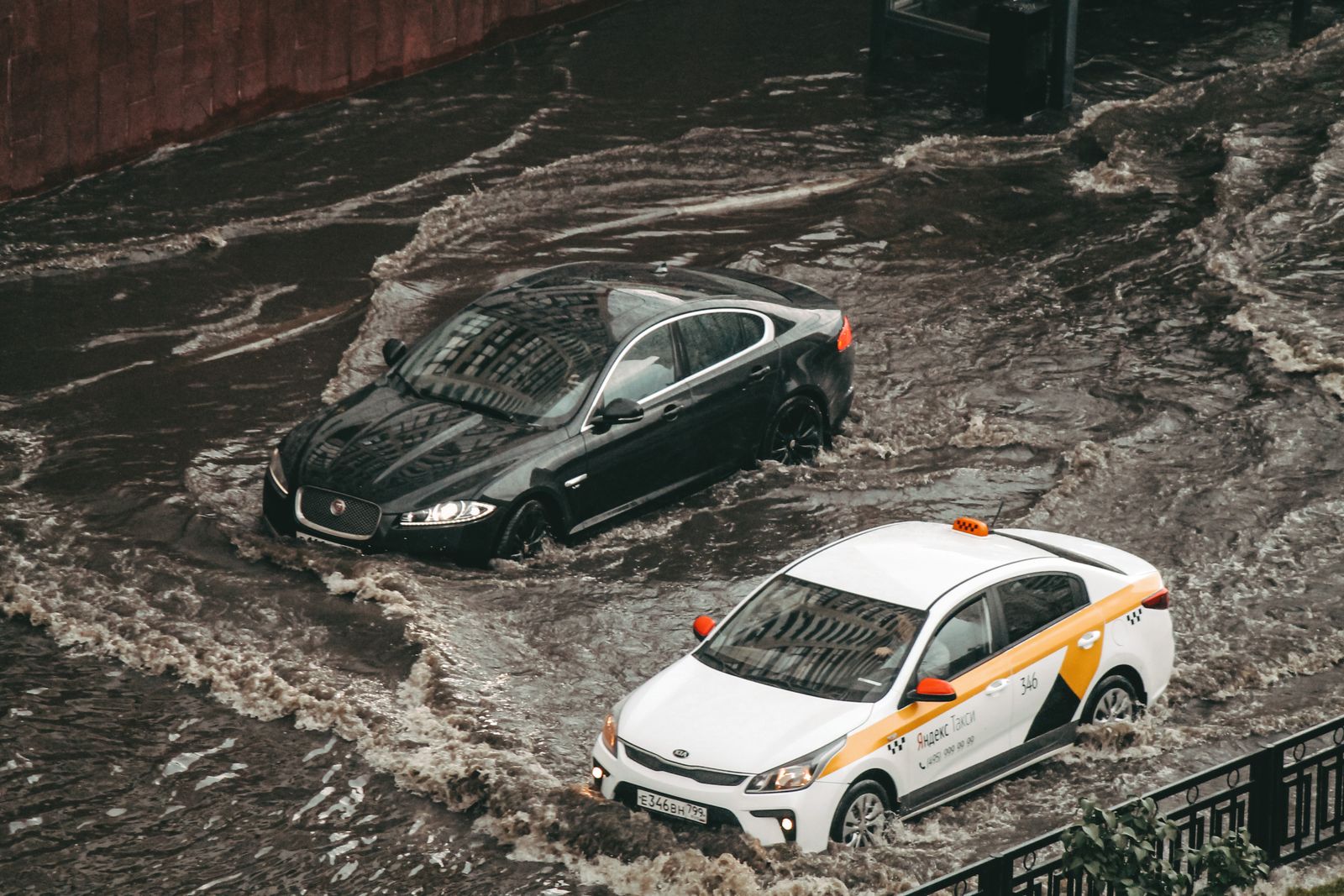
Hurricane Debby’s flood footprint did not retire when the headlines moved on. Early October 2026, we still see Southeast and relocated VINs listed as “garage kept” while sellers skip the storm-year timeline. Flood cars travel. A dry driveway in another state is not proof the carpets never sat under brackish water in 2024.
Early October 2026, retail singles still get quoted around $39.99–$44.99 depending on the brand cart — confirm at checkout because the number moves. Through our licensed reseller checkout, guest reports land about $5.50, member about $4.50, and the CARFAX+AutoCheck bundle about $6.75; credit packs often start near $3. We resell official reports and are not affiliated with CARFAX, AutoCheck, or Experian.
We’ve pulled reseller reports for shoppers chasing “cheap mileage” crossovers that later showed flood or water-damage branding tied to storm-season insurance activity. Look: NHTSA and NICB flood guidance exists because mold, corrosion, and electrical failures show up late. Honestly, if the VIN geography overlaps Debby’s heavy rain and surge corridors, pull live history before you fall for a scent candle in the cabin.
Why Debby-era cars still matter
Storm inventories get cleaned, auctioned, owner-retained, and shipped. Title brands can lag; some cars move states before branding catches up. Commercial history and NMVTIS are how you catch flood/salvage language the listing omits. Related: Hurricane Idalia flood cars, Hurricane Milton flood cars, and flood title vs salvage title.
Here’s the catch. Not every Debby-zone car flooded — panic geography alone is a bad filter. So, combine storm maps with NMVTIS brands, live AutoCheck/CARFAX, and a physical inspection for silt, corrosion, and mold. Use flood car smell and corrosion signs and flood car electrical failure signs when the seller says a detail shop “fixed the smell.”
We’ve seen deals where the under-seat foam still reeked after a “professional ozone,” and the wiring loom showed green corrosion at connectors. That is not a cabin-filter job. Photograph seat tracks, spare-tire wells, and ECU connectors. Compare water damage brand vs flood brand when the seller plays semantics, and title washing across state lines when the title hopped after the storm year.
Insurance and airbag module risk show up next. Flooded restraint systems can fail when you need them. Related: flood car airbag module risks and flood car mold health risks before you put kids in a storm-path bargain.
Buyer sequence for storm-era VINs
- Pull AutoCheck and CARFAX the day you negotiate — guest ~$5.50 / member ~$4.50 / bundle ~$6.75; confirm at checkout; retail often $39.99–$44.99 the day you negotiate.
- Match NMVTIS for flood/water/salvage/junk brands.
- Inspect for silt, odor on heater, corrosion under carpets and in spare wells.
- Full electrical scan; do not skip airbag and body modules.
- Walk if the seller blocks a live pull or only offers a pre-storm PDF.
Blunt risk: buying a relocated Debby-corridor sedan because the carfax screenshot looked clean last spring, then learning flood branding and mold hit after you financed. Related: seller-provided CARFAX red flags, Hurricane Ian flood cars, and private-party salvage title red flags.
Early October 2026 “never flooded, just from Florida” captions still need a live file. We’re a licensed reseller — not affiliated with CARFAX, AutoCheck, Experian, or NHTSA. If the seller only offers a cropped PDF or refuses a live pull, believe the refusal. Confirm checkout prices, keep both history PDFs with inspection photos, and walk when storm geography and silence on the report collide.
Also compare Hurricane Harvey flood cars when sellers act like only the most famous storms matter — older flood VINs still circulate too. Sleep on any same-day wire rush overnight. Keep the folder boring — live report PDFs, NMVTIS screenshots, and a hard no on mystery storm-zone deals.

Comments (0)
No comments yet. Be the first to share your thoughts!
Log in to leave a comment.