
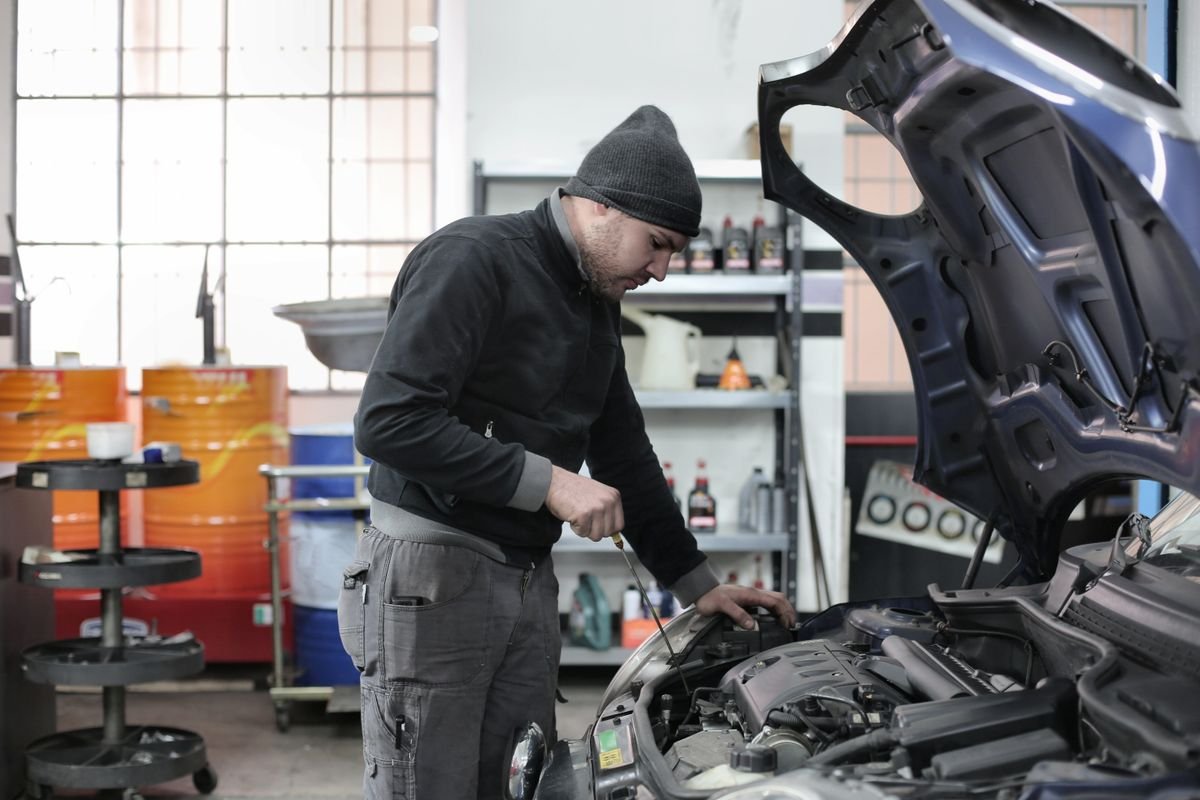
VIN cloning on Marketplace and Craigslist is the scam where a stolen or wrecked car wears someone else’s identity. Late September 2026 and the pitch still sounds the same: great price, clean-looking paper, seller in a hurry, and a VIN that does not survive a character-by-character check against the dash plate.
Late September 2026 retail singles still get quoted around $39.99–$44.99 depending on the brand cart (confirm at checkout). Through our licensed reseller checkout, guest reports are about $5.50, member about $4.50, and the CARFAX+AutoCheck bundle about $6.75; credit packs often start near $3. Confirm before you pay. We resell official reports and are not affiliated with CARFAX, AutoCheck, or Experian.
FTC and BBB material on used-car and title scams keeps circling the same theme — pressure, forged docs, and deals that punish anyone who skips verification. NICB’s VINCheck is a free theft/salvage screen, not a full history, but it still catches some cloned or salvage-linked VINs before you drive three hours. We’ve seen shoppers forward listing photos where the windshield VIN sticker font looks wrong next to the door jamb — that mismatch is the whole game.
How cloning shows up in a normal weekend deal
Look: a cloned VIN often means the public VIN on the car was altered or swapped to match a clean car’s identity. The listing may show a “clean” report for the stolen identity while the metal stamps tell a different story. Here’s the catch. A seller-provided PDF can look perfect because it was generated for the donor VIN, not for the car in front of you. Your live pull only helps if you typed the VIN from the dash yourself.
Related traps live next door: Craigslist fake CARFAX PDF scam, Facebook Marketplace fake CARFAX scam, and how to spot a fake CARFAX. Cloning is uglier than a forged PDF because the metal identity is the lie.
Verification steps that actually catch mismatches
- Read the 17 characters off the dash plate yourself; do not trust the listing field or a text from the seller.
- Match dash, door sticker, and title VIN character-by-character before money moves.
- Pull your own CARFAX/AutoCheck — guest ~$5.50 / member ~$4.50 / bundle ~$6.75 through our checkout; confirm totals; retail often $39.99–$44.99.
- Run NICB VINCheck as a free theft/salvage screen, then still buy a full commercial report.
- Walk if rivets look disturbed, fonts look off, or the seller blocks a daylight VIN photo.
Blunt risk: wiring a deposit for a Marketplace “garage-kept” sedan after the seller emails a gorgeous report for a VIN you never verified on the car. Related: stolen/recovered on CARFAX, PPI vs CARFAX, and Craigslist clean-title flood car.
Honestly, early October 2026 classifieds still reward patience. We’re a licensed reseller — not affiliated with CARFAX, AutoCheck, or Experian — and a live pull from cheapcarfaxautocheck.com only protects you if the VIN you typed matches the metal. If the seller gets angry about a flashlight on the VIN plate, believe the anger.
Meet in daylight. Bring a mechanic appointment mindset. Compare title name, plate, and report ownership rows. Report fraud attempts through FTC ReportFraud when you’ve been targeted. Marketplace speed is the scam’s friend — slow the deal on purpose until the identity stack agrees.
Cloned cars sometimes pass a quick start-up and fail everything else: insurance questions, registration, or a later theft recovery flag. That is why NICB + commercial reports + physical VIN hygiene beat “the PDF looks fine.” Confirm prices at checkout, refuse mystery links, and treat any VIN access theater as a walk-away signal.
If two cars in different states somehow share a public VIN story, overweight the metal stamps and law-enforcement screens. Title washing and cloning are cousins — both sell you a quieter paper story than the car earned. Pair this guide with title washing multi-state red flags when the ownership map looks too convenient.
Sellers who clone VINs often borrow photos from a cleaner twin or reuse a title scan that does not match the car’s options. Compare badging, option stickers, and paint codes against the report build story when you can. If the listing photos show a sunroof and the car in the driveway does not, stop negotiating about price and start negotiating about whether you are even looking at the same vehicle identity.
Police and insurers care about the stamped identity more than your chat screenshots. If you already wired a deposit and then found a VIN mismatch, document everything and use FTC ReportFraud plus local reporting channels. Do not accept “we’ll fix the paperwork Monday” as a cure for a metal stamp that does not match the title. The cheap part of this problem is the report you pull before money moves — not the recovery after.
Comments (0)
No comments yet. Be the first to share your thoughts!
Log in to leave a comment.