
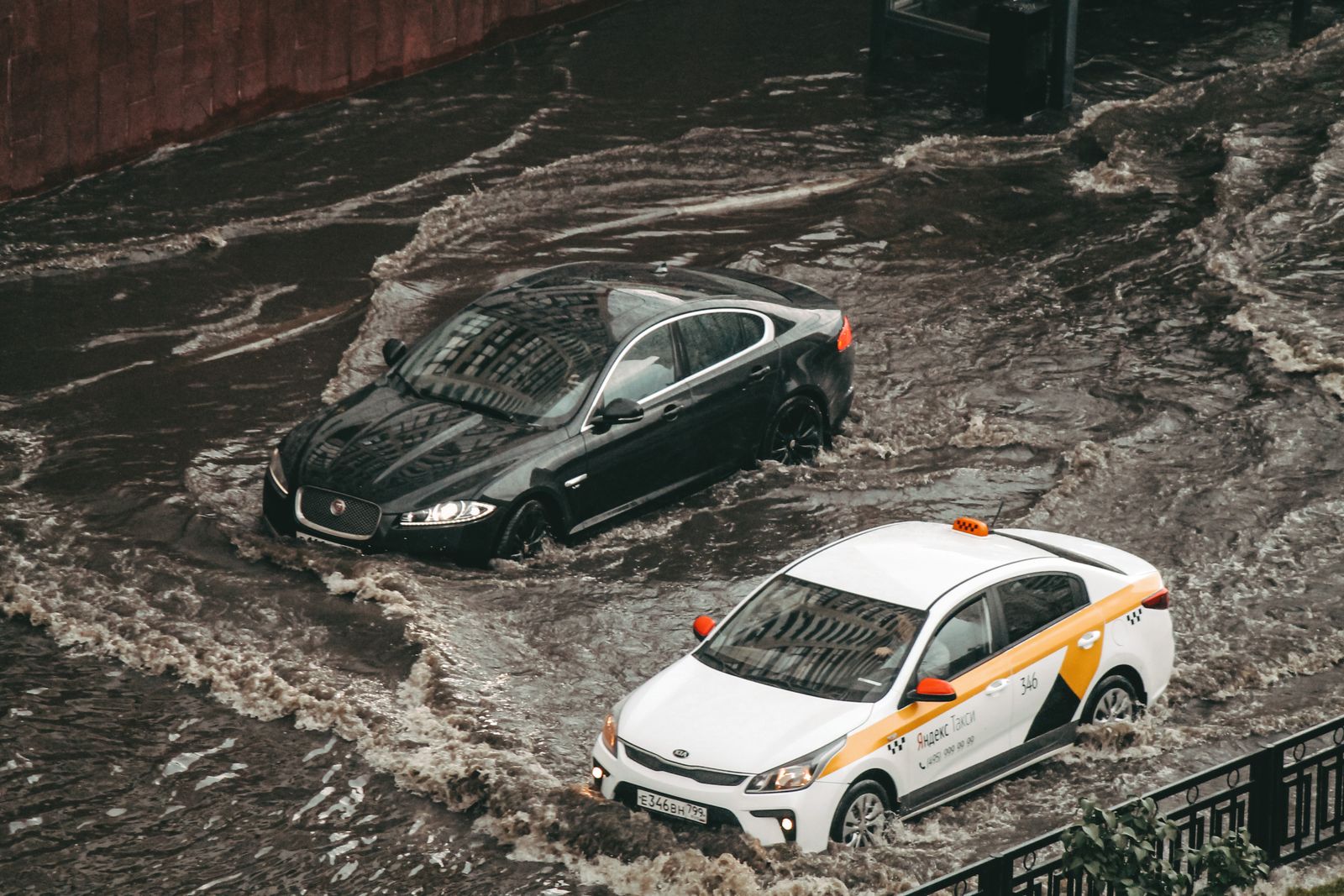
Midwest spring floods are river floods. Missouri and Illinois bottomlands, and the rivers that feed them, put water in cars that then show up as ordinary used metal two states away. The mud is different from Gulf salt. The title problem is not. A total-loss water claim should become a brand, and a brand should follow the VIN.
Late September 2026, we still see “Midwest car, no hurricanes” used as if rivers did not count. We’ve pulled spring-flood VINs with salvage or flood language and cars with no brand because a shop dried them out without a total. No hurricane is not no water. River silt in a connector does not care what the storm was named.
Shoppers still meet a $39.99 to $44.99 single-report quote on the brand sites in late September 2026. Treat that band as a range with a caveat, not a coupon. Our checkout for the same official products sits near $5.50 guest, $4.50 member, and $6.75 for both reports together, and multi-packs often start around $3 a pull if you actually use them. Look at the total before you pay. We are not affiliated with the bureaus; we are a licensed reseller of their reports.
What spring water does to the search
Look: a river total can sit at a local auction and then retail in a city that was dry. The report should show the auction and, when the state branded it, the flood or salvage word. Illinois and Missouri do not share one script with Louisiana, so read the title you are holding and NMVTIS rather than importing a coastal percentage from memory. NHTSA’s flood guidance is still the inspection brief: electronics, brakes, and hidden corrosion.
Read flood titles, checks when the report is quiet, and title washing because a river car titled later in a dry state is a classic hop. Rust versus southern flood is a different comparison. The buy decision does not become gentler because the water was brown instead of salt.
- Ask where the car was in the spring of a flood year, rather than trusting where it sits today.
- Read auction lines. River totals often pass through a lane before a driveway.
- Inspect for silt in spare-tire wells and under trim, even if the ad says garage-kept.
- Price insurance on a flood brand before you price the bargain.
Quiet reports after a wet spring
Here’s the catch. Not every wet car is totaled, and not every totaled car is branded the week it dries. A quiet report in June can be early. A quiet report two years later is more comforting and still not a silt test. If the seller’s story mentions a “little water in the garage,” you are allowed to look under the carpets anyway. We’ve seen that phrase cover a claim that was already on the report one page down.
So pull the file the week you go, not last fall’s screenshot. Delayed retail timing applies to river floods too, just without the hurricane name. Out-of-state transfers are how an Illinois title becomes a Plains-state ad. The Gulf checklist is the saltwater sibling, not a substitute for looking at this river car.
Listing habits after high water
Blunt risk: “no flood title” said proudly while the report shows a salvage brand from water the seller renamed as a fender. Also fake PDFs and wires to “hold” a cheap truck that is still damp. Match the VIN. If you cannot see the car in daylight, you cannot see the waterline. Night photos are a choice.
Honestly, we’ve seen Missouri and Illinois cars that were simply used cars, with owner histories that matched the miles and no brand at all. Those are the ones to inspect and buy if the price is right. The ones with a flood word are a different market. Do not let “Midwest” do the sorting. Let the PDF and the spare-tire well do it.
A short spring rule
If you shop in the months after a river crest, assume some of the new inventory is old water. Check the chain, check the well, check the insurer. Then buy the boring car. Boring is the compliment.
Spring mud does not get a pass because it is not a named hurricane. Brands, silt, and a fresh report are the same tools.
Comments (0)
No comments yet. Be the first to share your thoughts!
Log in to leave a comment.