
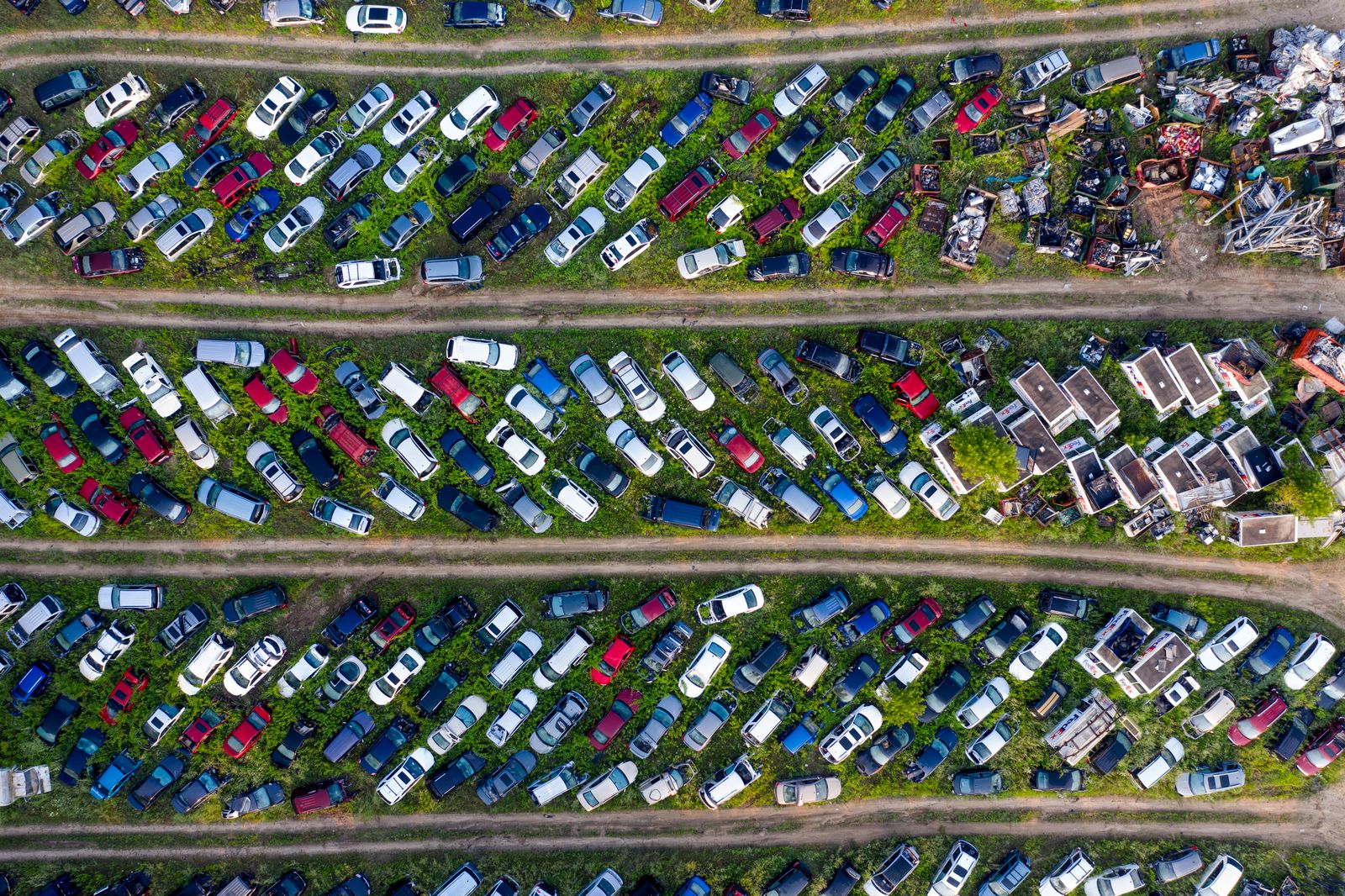
In New York, a Salvage Certificate (MV-907A) is not the same thing as a regular transferable title you register tomorrow. Sellers who say “it’s just a salvage cert, easy rebuild” are describing their to-do list — not your finished registration.
Late September 2026, we still see metro and upstate listings that wave a salvage certificate like a coupon. We’ve walked buyers through NY DMV salvage pages where examination, fees, and “rebuilt salvage” branding are explicit — then watched the same buyers almost wire deposits on “title coming next week” optimism.
Late September 2026 pricing still wobbles in public: official CARFAX/AutoCheck retail singles are commonly quoted around $39.99–$44.99 depending on the cart (confirm at checkout). Through our licensed reseller checkout, guest reports are about $5.50, member about $4.50, and the CARFAX+AutoCheck bundle about $6.75; credit packs often start near $3. Confirm what your cart shows before you pay. We are not affiliated with CARFAX, AutoCheck, or Experian — we resell official reports.
Certificate vs title vs rebuilt salvage brand
Look: NY DMV defines salvage vehicles around insurance acquisition after significant damage (including water), repair-cost thresholds, out-of-state salvage titles brought in, and certain owner wreck declarations. Rebuilding for road use generally requires a salvage vehicle examination before a new title. Titles issued after mid-1999 for rebuilt salvage display a rebuilt-salvage brand. Read salvage vs rebuilt and salvage buying basics alongside the DMV pages.
Here’s the catch. DMV will not examine or title certain non-rebuildable / parts-only labels. Undisclosed salvage history found later can freeze registration renewals until the process is completed.
What buyers should verify before money moves
So ask whether you are buying a salvage certificate, an already-branded rebuilt salvage title, or a story about paperwork in process. Pull your own CARFAX/AutoCheck. Budget exam fees and timeline risk — NY DMV publishes fee figures around the $200 range depending on ownership proof (confirm current amounts on the form instructions).
Blunt risk: treating seller timelines as guaranteed. Related: Virginia rebuilt exams and first-time salvage auction guide.
- Identify document type: MV-907A vs branded title.
- Read prior damage cause — flood vs crash vs theft recovery.
- Schedule your own PPI; DMV exams are not craftsmanship warranties.
- Call insurer/lender before you fall for the price.
NY salvage sales theater
“Parts only” and “non-repairable” labels are deal-breakers for road use. Flood-origin certificates that smell fine in winter air can fail electrically in summer. We’ve seen cropped PDFs that hide the salvage auction chapter.
Honestly, if the seller needs a wire before you understand which document you are buying, the timeline is the product.
After the exam — ownership reality
A passed examination and a rebuilt-salvage title still leave you with a brand that follows the VIN. Resale and financing friction remain. Price that.
If the car moved from another state into NY salvage process, keep title-washing detection and flood title meaning open.
New York salvage certificates are a process, not a synonym for cheap clean cars. Know which document you are buying, what exam still sits ahead, and what brand will remain afterward.
Save dated PDFs, the certificate images, and any DMV correspondence. Registration fights months later go better with a paper trail than with memory.
Fee and processing timelines change; always confirm on current NY DMV salvage pages and form MV-83SAL instructions before you budget the project.
Keep a folder with the bill of sale, title face photo, and dated report PDFs. Disputes months later go better when you can prove what the VIN showed on purchase day rather than reconstructing from memory.
Pressure phrases about another buyer waiting pair badly with unanswered history questions. Slow is a feature when brands, scores, or flood chapters are part of the price you think you are paying.
When two similar ads twin each other with the same script, separate VINs still need separate pulls. Twin marketing copy is not twin history — especially after multi-state hops or storm seasons.

Comments (0)
No comments yet. Be the first to share your thoughts!
Log in to leave a comment.