
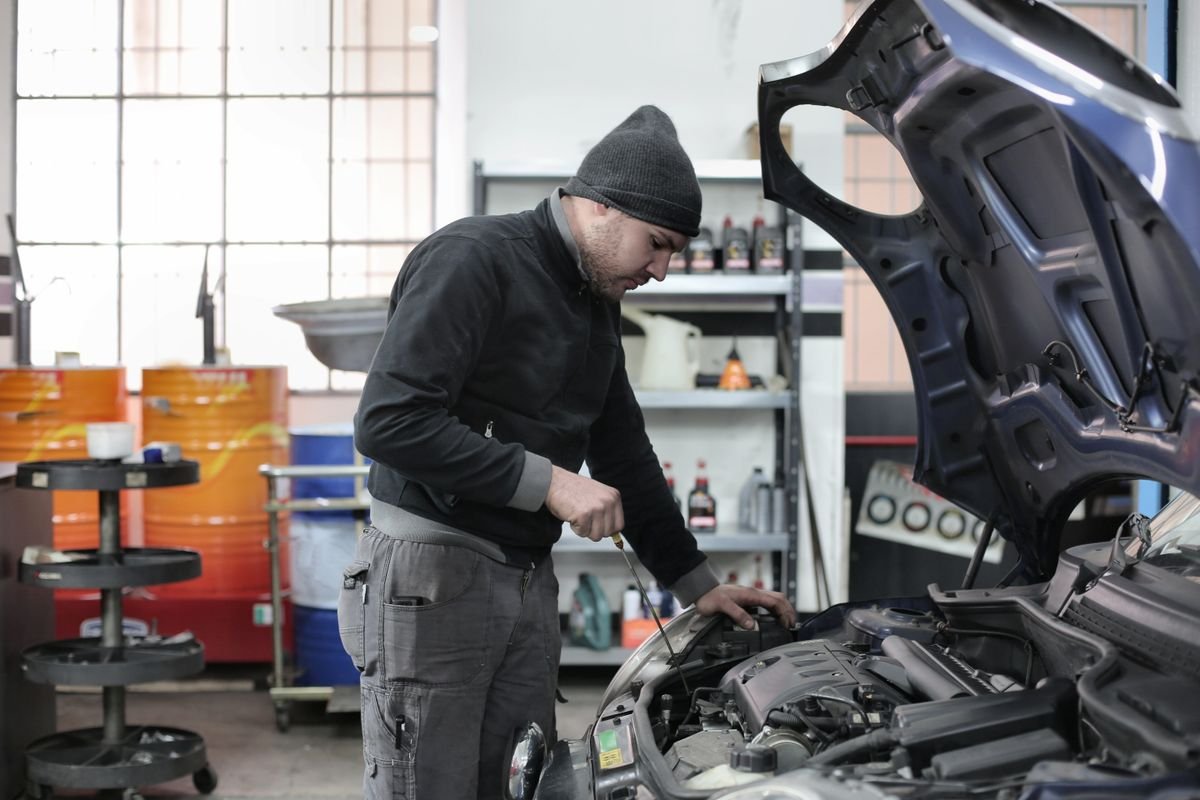
A parts-only title is not a discount coupon that says “cheap shell, rebuild later, register Monday.” In buyer language it usually means the ownership document — or the insurer/DMV classification behind it — marks the vehicle as unsuitable for re-registration: intended for dismantling, scrap, or parts harvesting. States use different legends (parts-only certificate, Class A salvage, nonrepairable, junk, dismantled), but the shopping trap is the same: someone lists a commute car while the paper still says it should never return to the road.
Early October 2026, retail singles still get quoted around $39.99–$44.99 depending on the brand cart — confirm at checkout because the number moves. Through our licensed reseller checkout, guest reports land about $5.50, member about $4.50, and the CARFAX+AutoCheck bundle about $6.75; credit packs often start near $3. We resell official reports and are not affiliated with CARFAX, AutoCheck, or Experian.
We’ve pulled reseller reports where the Marketplace ad said “salvage rebuild project” while the title photo, insurer letter, or NMVTIS brand language pointed at parts-only / nonrepairable / dismantled. Look: AutoCheck’s title-brands overview and NMVTIS consumer materials treat nonrepairable and dismantled-style brands as stop signs for road use, not as a DIY rebuilt path. Honestly, “I’ll bond-title it in another state” is how buyers fund someone else’s illegal title wash.
How parts-only differs from salvage you can rebuild
Repairable salvage (often Class B or plain salvage in some states) is the bucket that still has a documented rebuilt/reconstructed path after inspections and parts trails. Parts-only / Class A / nonrepairable / dismantled language generally means the jurisdiction decided the vehicle should not be retitled for highway operation. Vermont’s rebuilt statute even names “parts-only certificate” alongside salvage paper as a document that blocks normal title/registration until a rebuilt inspection — and some sister brands never get that path. Rhode Island’s insurer letters distinguish Class A (parts only) from Class B (repairable) at the salvage-title stage. Related reading: non-repairable title meaning, junk title vs salvage title, and export-only title meaning.
Here’s the catch. Sellers blur the words on purpose. “Salvage” in a text thread may hide parts-only classification. A cropped PDF may cut off the legend. A “clean looking” out-of-state title may have washed the brand — NMVTIS is how you catch that. So, never wire on a screenshot. Pull live CARFAX and AutoCheck, then read the physical title under good light. Related: title washing across state lines and branded title vs clean title.
We’ve seen auction descriptions and reseller blurbs treat parts-only shells like bargain daily drivers after a paint job. That is not how lenders, insurers, or DMV clerks read the paper. CARFAX salvage explainers and Consumer Reports’ hidden-damage guidance both push the same blunt point: title brands and total-loss history matter more than a detailing receipt.
Buyer sequence before you touch a parts-only listing
- Pull AutoCheck and CARFAX the day you negotiate — guest ~$5.50 / member ~$4.50 / bundle ~$6.75; confirm at checkout; retail often $39.99–$44.99.
- Photograph the full physical title — every brand line — and match it to NMVTIS.
- If the insurer letter or title says parts-only / Class A / nonrepairable / dismantled, treat it as not a road car unless a state statute you can cite says otherwise.
- Walk from any seller who says “we’ll fix the brand after you pay.”
- Call your DMV and insurer before you invent a rebuild plan on paper that forbids re-registration.
Blunt risk: wiring a deposit for a “parts car that already runs” because the seller promises a rebuilt title next week, then discovering the jurisdiction never allows that VIN back on the road. Related: should you buy a rebuilt title car, NMVTIS vs CARFAX, and prior total loss with clean-looking title.
Early October 2026 used inventory still mixes honest dismantlers with hopeful flippers who rename parts-only metal as “rebuilt projects.” We’re a licensed reseller of official reports — not affiliated with CARFAX, AutoCheck, or Experian. If the seller only offers a cropped PDF or refuses a live pull, believe the refusal. Confirm checkout prices, keep both history PDFs with title photos, and walk when the parts-only legend and the commute-car pitch don’t line up.
Also remember export-only and junk cousins can look similar in a phone photo. Use what is a branded title when you need the broader brand map. Sleep on any same-day wire rush overnight. Keep the folder boring — live report PDFs, full-title photos, and a hard no when the paper says parts only.
Comments (0)
No comments yet. Be the first to share your thoughts!
Log in to leave a comment.