
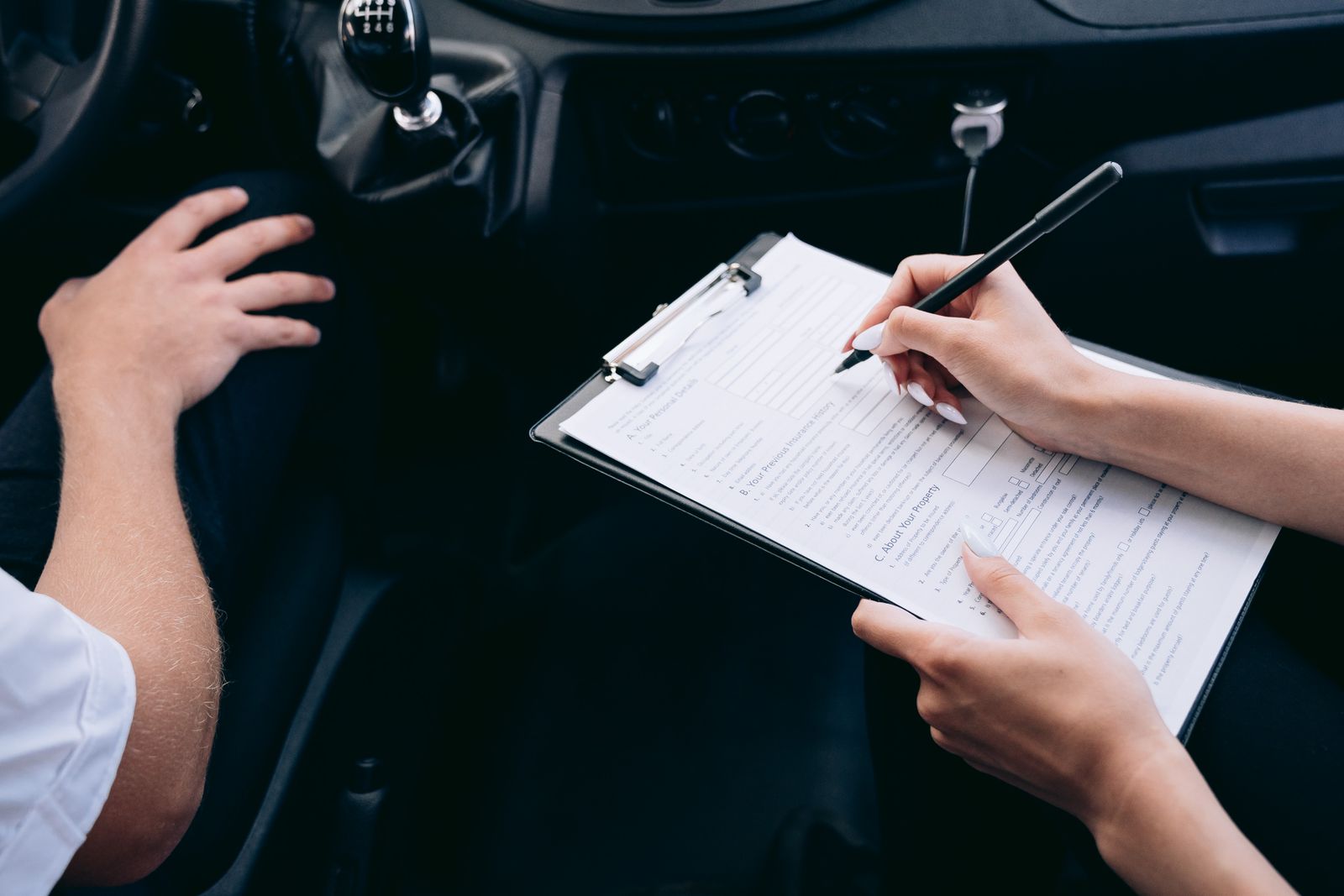
Rideshare cars rack up urban miles, door cycles, and interior abuse that a tidy listing photo will not show. History reports help when use flags and service rows print, and a specialist PPI has to finish the job.
Late September 2026, former Uber and Lyft candidates still appear as “one-owner commuting cars†in private ads. We’ve opened reports with commercial or taxi-adjacent cues, dense mileage, and auction hops after platform exits. Start with the VIN, not the host’s star rating story.
Late September 2026, official CARFAX/AutoCheck retail singles still get quoted around $39.99–$44.99 depending on the cart (confirm at checkout). Guest reports through our licensed reseller checkout are about $5.50; member about $4.50; bundle about $6.75; credits often near $3. Confirm before you pay. We resell official reports and are not affiliated with CARFAX, AutoCheck, or Experian.
What reports can show on rideshare veterans
Look: CARFAX and AutoCheck may show personal versus commercial-ish use signals, owner counts, accidents, brands, and service events when shops report them. They will not log every airport loop. High miles per year plus rapid owner or registration churn is a tell even without a perfect “rideshare†label. Read former Uber/Lyft cars, ex-taxi checklist, and taxi vs rental patterns.
Here’s the catch. Some platform cars remain titled personally and never print a dramatic use flag. Honestly, do the math on odometer versus time in service. KBB’s history primers list taxi/lease/police-style use fields among things reports can include — when present, they matter; when absent, you still inspect like a fleet buyer.
Inspection and negotiation stack
So pull both reports, then inspect suspension, brakes, transmission behavior in traffic-like tests, and interior wear at the driver’s seat bolsters and rear-door areas. Test every USB port and camera assist the platform life depended on. Blunt risk: paying low-mile private prices for years of city duty.
- Annualize mileage and compare to private norms.
- Read accident severity carefully — urban ding density adds up.
- Confirm title brands; rideshare cars wreck and flood too.
- Budget early maintenance in the offer price.
- Own your report checkout; skip seller JPEG theater.
Edmunds and Consumer Reports hidden-damage guidance still applies for crash and water risks under the rideshare story. Do not let “it’s just high miles†distract you from a flood row or structural note.
Ownership math after purchase
We’ve seen buyers succeed when they priced rideshare cars like lightly used fleet units and scheduled fluids, mounts, and brakes immediately. We’ve seen others fail when they treated a clean overview tile as a warranty. AutoCheck scores, when present, are relative risk tools — read them with range and events, not as a trophy. See AutoCheck Score scale if you need that primer.
Document everything dated. If you resell in a year, the next buyer will ask the same use questions. Your folder of PDFs and PPI notes is part of the asset. Confirm live checkout prices when you refresh reports during a long hunt. Insurance and financing rarely panic about rideshare the way they panic about flood brands, but some carriers ask about prior commercial use — call before you buy if you need coverage certainty.
Keep a written walk-away price before you attend any showing. Bargaining without a ceiling is how branded and high-use vehicles become emotional purchases. Write the number down and show it to whoever keeps you honest.
If two candidates tie on price, prefer the clearer disclosure packet and the more patient seller. Process quality predicts ownership quality more often than a slightly lower ask. We’ve picked the higher-priced unit for that reason and been glad a year later.
Re-pull official reports if more than a few days pass on a hot listing. Late rows appear. Confirm checkout totals live — guest ≈ $5.50, member ≈ $4.50, bundle ≈ $6.75 remain ballparks, not invoices.
Platform exit timing matters. Cars dumped right after a major model-year eligibility change often show deferred repairs. Ask when the car left the platform and whether any bodywork happened in the last ninety days. Fresh paint after platform exit is a question, not a gift. We’ve paired late paint with quiet accident rows sellers “forgot.â€
Compare rideshare candidates against ordinary private comps with similar miles, not against low-mile one-owner dream cars. Anchoring to the wrong comps makes every platform car look cheap. Use AutoCheck auction history when present to see whether the car already failed a retail channel once. Failed once can mean priced right — or mean hidden problems. The PPI decides.
Comments (0)
No comments yet. Be the first to share your thoughts!
Log in to leave a comment.