
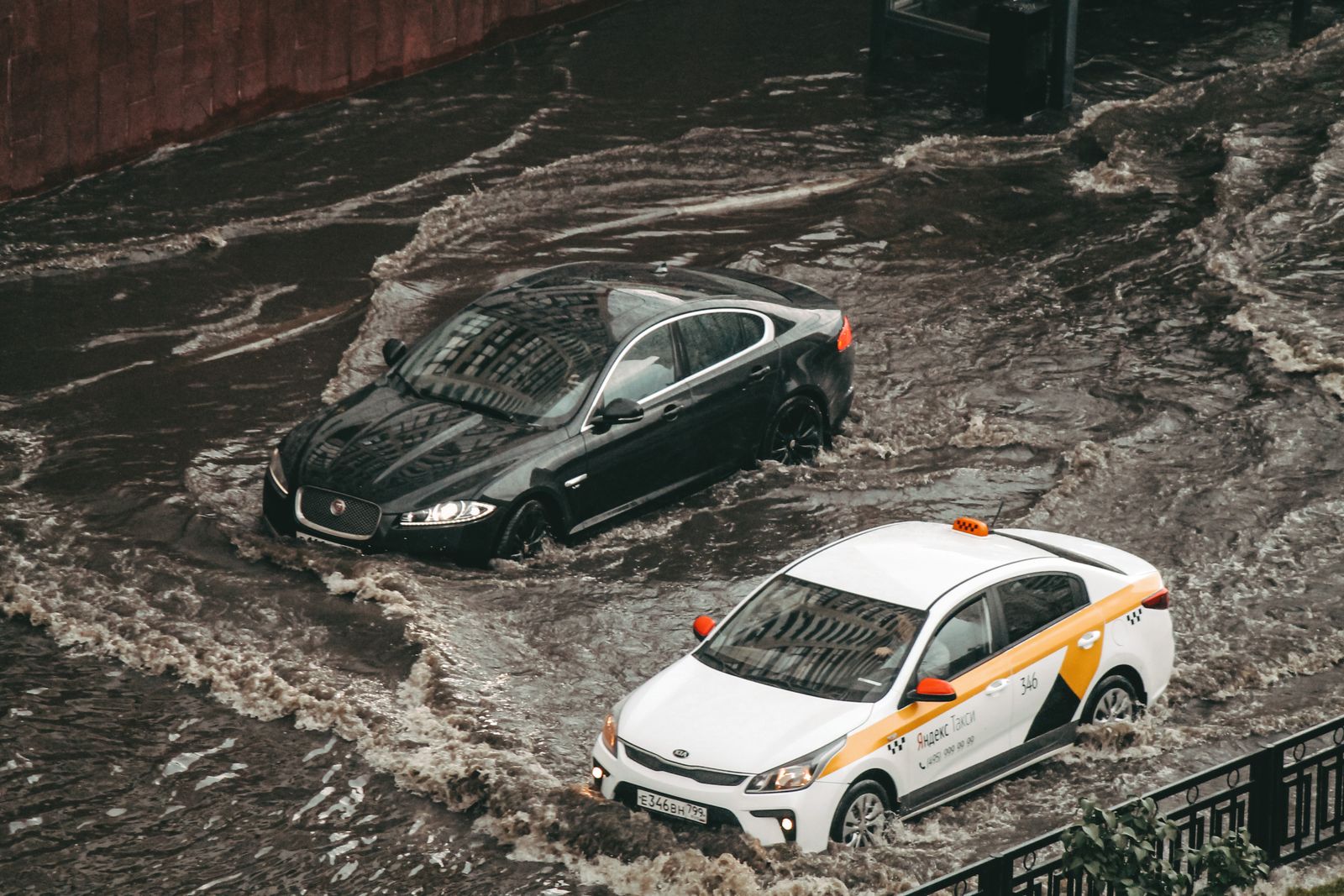
Seattle and Puget Sound used-car shopping has to assume water risk — atmospheric rivers, urban flooding, and post-storm resales show up in ordinary Facebook and lot listings even when the weekend sky looks harmless.
Late September 2026, we still see King County and surrounding-area bargains that quietly spent prior lives in standing water, then reappear with fresh detailing and soft captions. We’ve pulled reports where Washington registration looked local while older flood or salvage notes pointed to storm windows buyers forgot. Rain every week is not the same as flood history — but it makes shoppers complacent.
Late September 2026, official CARFAX and AutoCheck retail singles still get quoted around $39.99–$44.99 depending on the cart (confirm at checkout). Through our licensed reseller checkout, guest reports are about $5.50, member about $4.50, and the CARFAX+AutoCheck bundle about $6.75; credit packs often start near $3. Confirm what your cart shows before you pay. We resell official reports and are not affiliated with CARFAX, AutoCheck, or Experian.
What “flood risk” means in this market
Look: NHTSA warns that flood-damaged vehicles can hide electrical and safety-system failures long after carpets smell clean. Title brands, NMVTIS brand history, and auction water announcements are the paper trail; silt under carpet and corrosion in cavities are the physical trail. Pair both. Neighboring metro context lives on Austin flood used-car buying and the broader caution in Houston flood damaged used cars when inventory migrates.
Here’s the catch. Sellers rewrite water as “road spray” or “just humidity.” Honestly, detailing can hide smells for one afternoon showing. It does not rewrite a flood brand.
- Pull CARFAX and AutoCheck; read brands and auction notes first.
- Match dash VIN to the report header before any deposit talk.
- Budget a moisture-aware PPI — not a driveway handshake.
- Ask insurers about prior flood brands before you fall in love.
Seller theater after wet winters
Blunt risk: cropped seller PDFs that stop above the brand block while a voice note says the car is “always garaged in Ballard.” So run your own pull timed to the appointment. Related reading: what a flood title means when the caption swears the title is clean.
We’ve compared Seattle-area listings to dual PDFs and found out-of-state hops after major storm seasons that never made the ad. Local plates are not a full biography. Save dated files before you travel across the bridges for a “too good” crossover.
A Puget Sound purchase order
Shortlist VINs, pull both reports, hunt flood/salvage/rebuilt language, then inspect in daylight with the PDF on your phone. Check trunk spares wells, seat-foam edges, and connector corrosion. If financing sits in the mix, say flood risk out loud to the desk early — many lenders hard-decline flood brands.
Archive every report. Atmospheric-river seasons refresh inventory. A spring screenshot is not a fall risk picture. When two listings look identical after a wet week, separate VINs still need separate pulls.
Neither history product replaces physics. Pull the VIN, read brands, then inspect like water mattered — because in this market, sometimes it did.
Out-of-state hops after storm seasons deserve a second look even when the current plates look local. Ask where the car lived during the wet months that match any auction or brand dates on the timeline. Transport quotes go stale; branded cars sometimes get refused by carriers — ask before you schedule pickup.
If the seller needs a wire before you see the car in daylight with your own PDF open, the timeline is the product. Slow down. Your checkout-priced report is cheaper than a surprise flood footnote you were not shown.
Print or save the official PDF with the pull date in the filename. Chat screenshots vanish when a lender or inspector asks for proof next week. Voice-note summaries omit brands on purpose or by accident — read the file yourself before money moves.
If financing or insurance sits in the mix, send the current report before you sign. Surprises after funding are the expensive kind. Some desks shrug at mid scores; others freeze the moment a brand prints under a flattering tile.
Out-of-state title work and branded paths add days you did not budget for a Saturday impulse. Price paperwork hours into the total. A cheap car that cannot be plated on your timeline is not cheap.
Sources
- NHTSA: Hurricane- and flood-damaged vehicles
- USA Today: Beware flood-damaged cars for sale
- Consumer Reports: Beware a flood of flooded cars
- Edmunds: How to avoid buying a flood-damaged car
- YouTube: NICB PSA — Flooded Vehicles
- Washington State DOL
A practical final review for Seattle Flood Used Cars: Puget Sound History Checks
Before you commit, put the report beside the vehicle, the title paperwork, and the seller’s written answers. Confirm that the VIN on the dashboard, driver-door label, title, and report is identical; one transposed character can send a search to the wrong vehicle. Read the event dates and mileage as a sequence rather than treating one clean-looking line as a guarantee. A history report is a record of information supplied by agencies, insurers, shops, auctions, and other data partners, not a mechanical inspection.
Use the result to make a short verification list. Ask the seller when each repair was done, request invoices or photos for major work, and have an independent technician inspect structure, restraints, fluids, wiring, tires, and leaks. For a vehicle connected with seattle flood used cars: puget sound history checks, pay special attention to the risk that is easy to hide in photos or a brief test drive. A clean title or a favorable score cannot prove that a flood, collision, odometer issue, or poor repair never occurred.
Keep the decision proportional to the evidence. If the seller will not provide the VIN, rejects an independent inspection, or rushes a deposit after a report raises a question, pause the transaction. If the records and inspection agree, use documented defects to negotiate rather than inventing a discount. Save the dated PDF, listing, messages, and inspection notes so you can explain the choice later and compare another vehicle on the same checklist.
Comments (0)
No comments yet. Be the first to share your thoughts!
Log in to leave a comment.