
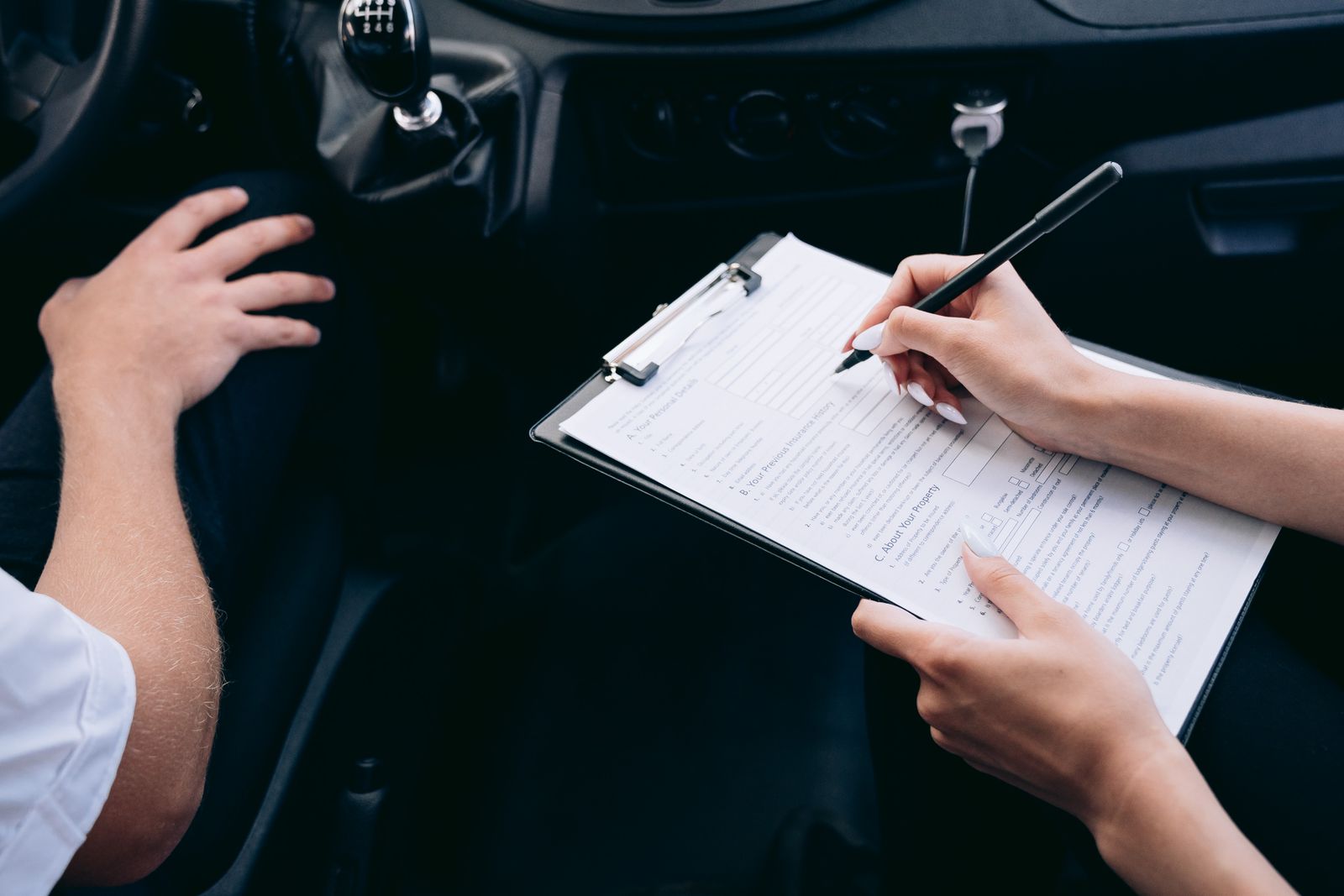
A dealer appraising your trade-in will pull a history report, and the number they offer will move when that report shows an accident, a brand, an odometer problem, or a rental or fleet life. Walking in without your own copy means they get to surprise you. Walking in with the PDF means you can talk about a row you have already priced.
Late September 2026, we still see owners hear “CARFAX hurt you” for the first time at the appraisal desk. We’ve looked at those same reports the night before with people who then either fixed what was fixable, disclosed what was not, or sold privately with the truth in the ad. The desk is a bad place to meet your own car.
In late September 2026 the public single-report price still wanders between about $39.99 and $44.99 depending on which brand cart you open, so confirm at checkout instead of trusting a screenshot from the spring. Our licensed reseller lane is lower: about $5.50 guest, about $4.50 member, about $6.75 for the CARFAX and AutoCheck bundle, and credit packs that often start near $3. Confirm the pack math before you buy credits you will not open. We are a licensed reseller, not CARFAX, not AutoCheck, and not Experian.
What the desk is allowed to use
Look: an appraisal is the dealer’s bid for your car as inventory, minus reconditioning and the risk they think they can resell. A reported accident is a risk. A branded title is a different retail channel. A not-actual-mileage brand can make the car hard to retail at all. None of that is a moral judgment about your driving. It is the file the next buyer will see when the dealer tries to sell your car. They price that moment, not your memory of a parking-lot tap.
Pull the report before you book the appraisal. Read accident discounts, brands, and odometer brands. Owner count and short ownership sometimes move the offer less than people fear, and sometimes they are the whole story. Know which.
- Bring a report you pulled, not a screenshot from when you bought the car.
- If a line is wrong, start a correction before you expect the offer to ignore it.
- Get two appraisals. One desk’s “CARFAX deduction” is not a law.
- Compare the trade number to a private-sale price that discloses the same file.
How to talk about a real hit
Here’s the catch. If the accident is real, do not spend the appraisal denying it. Bring the body-shop bill and photos if the repair was done properly. Some desks move a little for proof. They will not move to a clean-title number, because they cannot sell it as a never-hit car. If the line is false, say you have a dispute open and show the documents, and expect them to still bid the file that exists today. A pending review is not a cleaned report.
So decide whether the trade is convenience or maximum dollars. Convenience has a price, and the report is part of that price. Dealer versus private party is the comparison. Selling with an accident on the report is the private path if the desk number is insulting and still honest. Pulling your own report should not be the first time you read your VIN at the desk.
Desk tricks
Blunt risk: an appraisal that quotes a deduction bigger than any documented damage, using a report you are not allowed to see, or a printout that is not your VIN. Ask to see the page. Match the VIN. A fake or swapped PDF in a showroom is rarer than on a random driveway and still not impossible. Your own fresh pull is the anchor. If they will not look at it, you have other desks.
Honestly, we’ve seen a moderate accident cost a trade offer more than the repair cost years ago, because the next retail buyer will want a discount too. That is painful and sometimes accurate. We’ve also seen a desk blame CARFAX for a low number that was really miles, paint, and a slow week. Ask them to separate the history deduction from condition. If they cannot, the number is a bundle, not an explanation.
Leave with a record
Write down the offer, the date, the VIN, and what they said the report did. If you take the trade, the purchase contract should match that offer. If you do not, you still own a report you understand, which is the tool for the next desk or the private ad. Do not let the first surprise become the only offer you hear.
Read your car the way the dealer will. Then the appraisal is a bid, not an ambush.
Comments (0)
No comments yet. Be the first to share your thoughts!
Log in to leave a comment.