
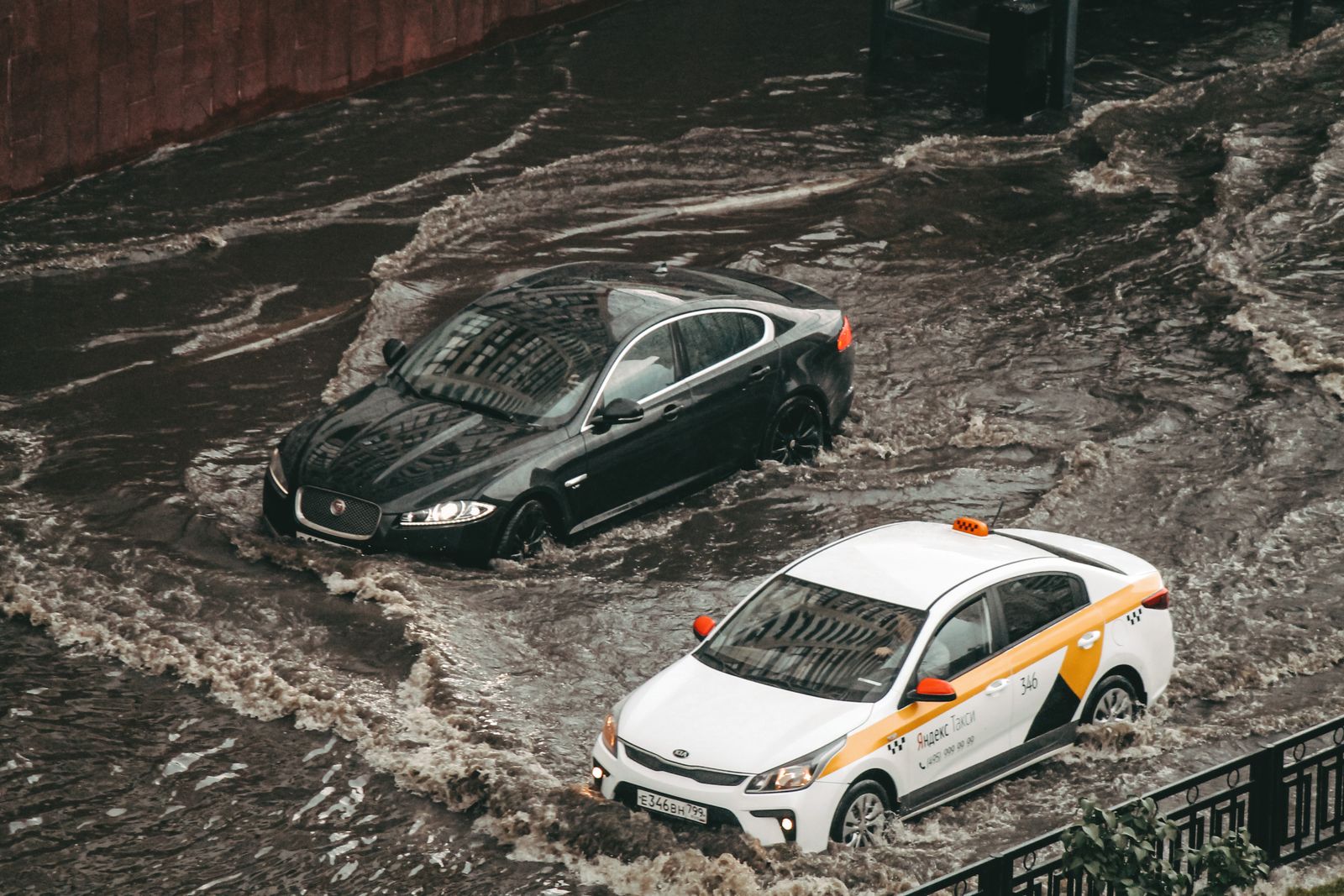
If an insurer paid a flood total on your car and you kept it, the next buyer is not shopping a “little water story.” They are shopping a branded car, and you are the person who has to say so. Selling it as a clean, never-flooded car after a total-loss water claim is how ordinary owners wander into fraud, not a clever way to “get something back.”
Late September 2026, we still see private listings that describe a known flood total as a detail job and a new carpet. We’ve compared those ads with title histories that already carried the flood brand the seller hoped a new state would blur. NMVTIS exists so that blur fails. Your buyer can pull the same VIN you are nervous about.
By late September 2026, expect the official single-report checkout to land somewhere in the $39.99–$44.99 span and to change without a press release. Our licensed prices are the ones we can stand behind today: roughly $5.50 guest, $4.50 member, $6.75 bundle, credits often from about $3. Re-read the cart if a forum post quotes something cuter. Not affiliated with CARFAX, AutoCheck, or Experian — reseller, full stop.
What the claim already did to the paper
Look: when an insurer settles a vehicle as a total loss, states generally require a salvage or flood brand, and the exact word depends on the state. Alabama’s 75 percent salvage test, South Carolina’s salvage-flood wording, and Mississippi’s rule that a flood brand is not removed are examples, not a national form. Your title, not your memory of the adjuster’s tone, is the document. If you retained the salvage, you usually cannot legally drive it until that state issues the rebuilt or reconstructed brand, and the water reason often stays on the paper.
A non-total water event is different and still not a secret you should launder. If the insurer paid for drying and a module and did not total the car, say that, and expect a history report to show a claim even without a brand. Read what a flood title means and how buyers are told to judge one. The clean-title-after-salvage myth is the story you should not repeat in your ad.
- Read the title brand before you write the ad. Quote it, do not translate it into “clean.”
- Disclose water even if you believe the brand has not posted yet. Feeds catch up.
- Do not advertise a salvage car as road-legal if your state has not finished the rebuilt process.
- Price the car as branded. The buyer’s lender will.
What a careful sale looks like
Here’s the catch. Honest buyers will pull CARFAX or AutoCheck and a NMVTIS source. If your ad and their PDF disagree, they will not haggle. They will leave, or they will report you. Hand them the title photo and your own fresh report in the first conversation. If you repaired the car, hand the receipts too. NHTSA’s flood guidance is what their mechanic will use. Help them aim the inspection instead of daring them to find silt.
So separate three outcomes: you sell it branded to someone who wants a project, you part it if the title is junk or scrap, or you keep it and insure it as what it is. Insuring a rebuilt car and lenders on flood titles explain why your buyer’s financing may vanish. Title washing is the illegal cousin of “I’ll title it at my uncle’s place in another state.” Do not be that plan.
The traps that boomerang
Blunt risk: a buyer who offers cash to “keep it off the report,” or a title-skipping middleman. Cash does not stop NMVTIS, and a middleman who wants the title signed over in blank is a classic curbstoner setup. You can remain the owner of record while they wreck it again. Fake buyer “reports” that somehow show no flood line are not a cleaning service. They are a prop.
Honestly, we’ve seen owners price the car at clean-title money “because it runs” and then sit on it for months while every serious buyer finds the brand in five minutes. Price the brand on day one. If you are the buyer on the other side of this ad, walk when the seller gets angry that you pulled your own file. Anger at a VIN check is the disclosure.
Paper to keep after you sell
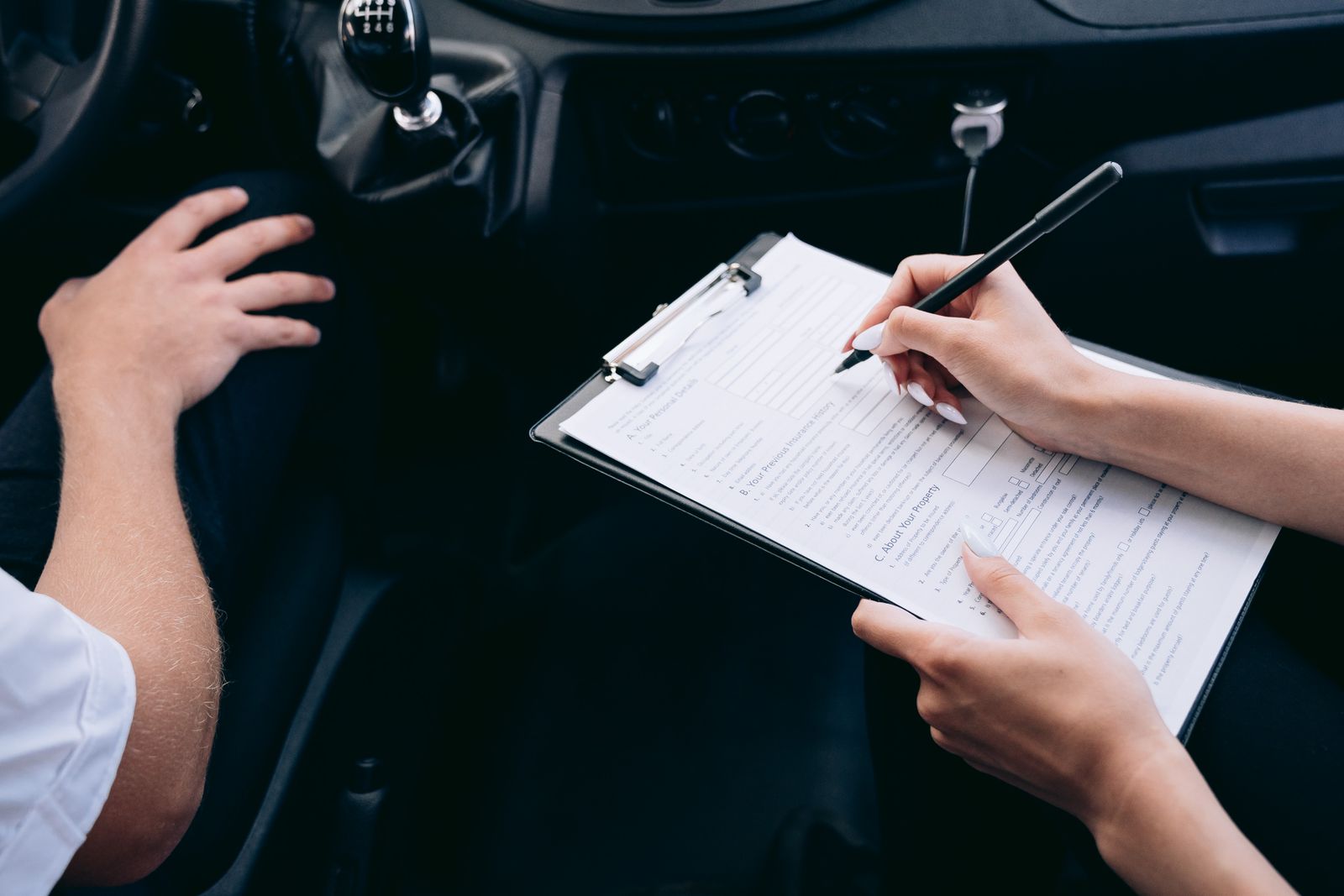
Bill of sale that names the brand, a copy of the title front and back, and the report you showed. If your state uses a damage disclosure form, answer the flood question from the claim file, not from hope. Store the claim number. A later dispute about who knew what is a documents problem.
You can sell a flood car. You cannot sell a different history than the one the insurer and the state already wrote down. Late September 2026 is not a gap in the databases. It is a gap in ads.
Comments (0)
No comments yet. Be the first to share your thoughts!
Log in to leave a comment.