
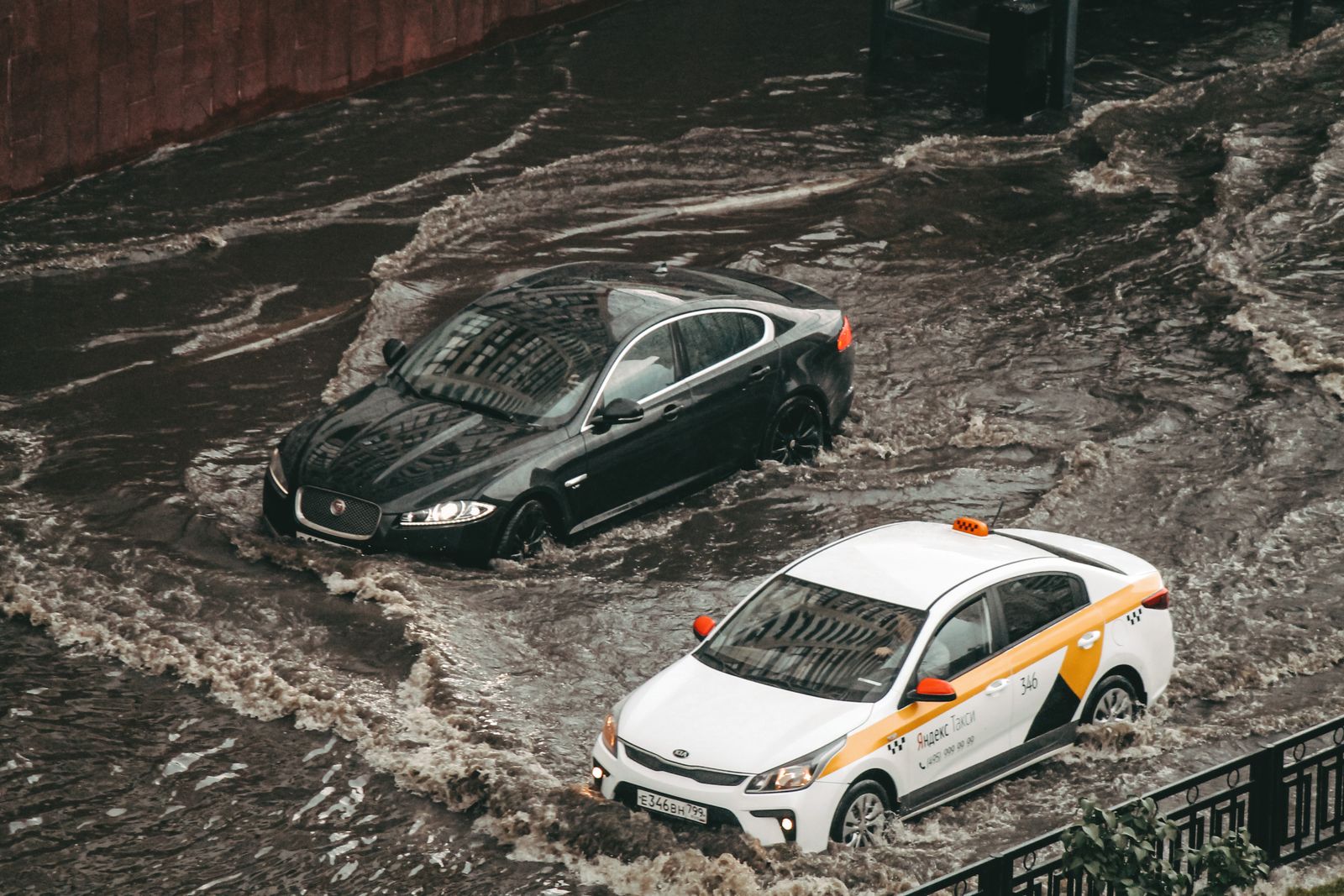
Alabama does not wait for a car to look destroyed before the title can change. The Department of Revenue’s own salvage FAQ says a total-loss salvage case is a settlement where the damage is at least 75 percent of the vehicle’s fair retail value before the damage. If you are shopping a Gulf Coast car, that percentage matters more than the seller’s phrase “it was just water.”
Late September 2026, we still see Alabama and near-Alabama inventory with new carpets and a story about a storm that “never reached the title.” We’ve pulled reports where the salvage or flood language was already in the file while the ad talked about a detail job. The statute side and the caption side are not trying to do the same job.
In late September 2026 the public single-report price still wanders between about $39.99 and $44.99 depending on which brand cart you open, so confirm at checkout instead of trusting a screenshot from the spring. Our licensed reseller lane is lower: about $5.50 guest, about $4.50 member, about $6.75 for the CARFAX and AutoCheck bundle, and credit packs that often start near $3. Confirm the pack math before you buy credits you will not open. We are a licensed reseller, not CARFAX, not AutoCheck, and not Experian.
What Alabama actually brands
Look: Revenue’s FAQ defines that salvage, total-loss path around a monetary settlement and damage at or above 75 percent of pre-damage fair retail value, using a recognized retail guide. A salvage vehicle is not supposed to be registered or driven on public roads until a rebuilt title is issued. The same FAQ is blunt that junk, parts-only, and certificate-of-destruction brands are not candidates to be rebuilt and put back on the road.
Alabama also tells owners the salvage vehicle has to be restored to operating condition before an inspection application, which is a paperwork sequence and not a suggestion from a forum. Flood is the separate shopping problem. A water total can become a branded title, and a car can leave the coast with a story that is softer than the brand. Read what a flood title means and what a salvage title is before you argue with a seller about percentages.
- Ask whether any insurer paid a total-loss settlement on this VIN.
- Read salvage, rebuilt, flood, and junk language on the title and on the report.
- Treat parts-only or junk paperwork as a parts car, not a project you will register.
- Match the VIN on the dash, the title, and the report before you talk price.
How to check a Gulf Coast VIN
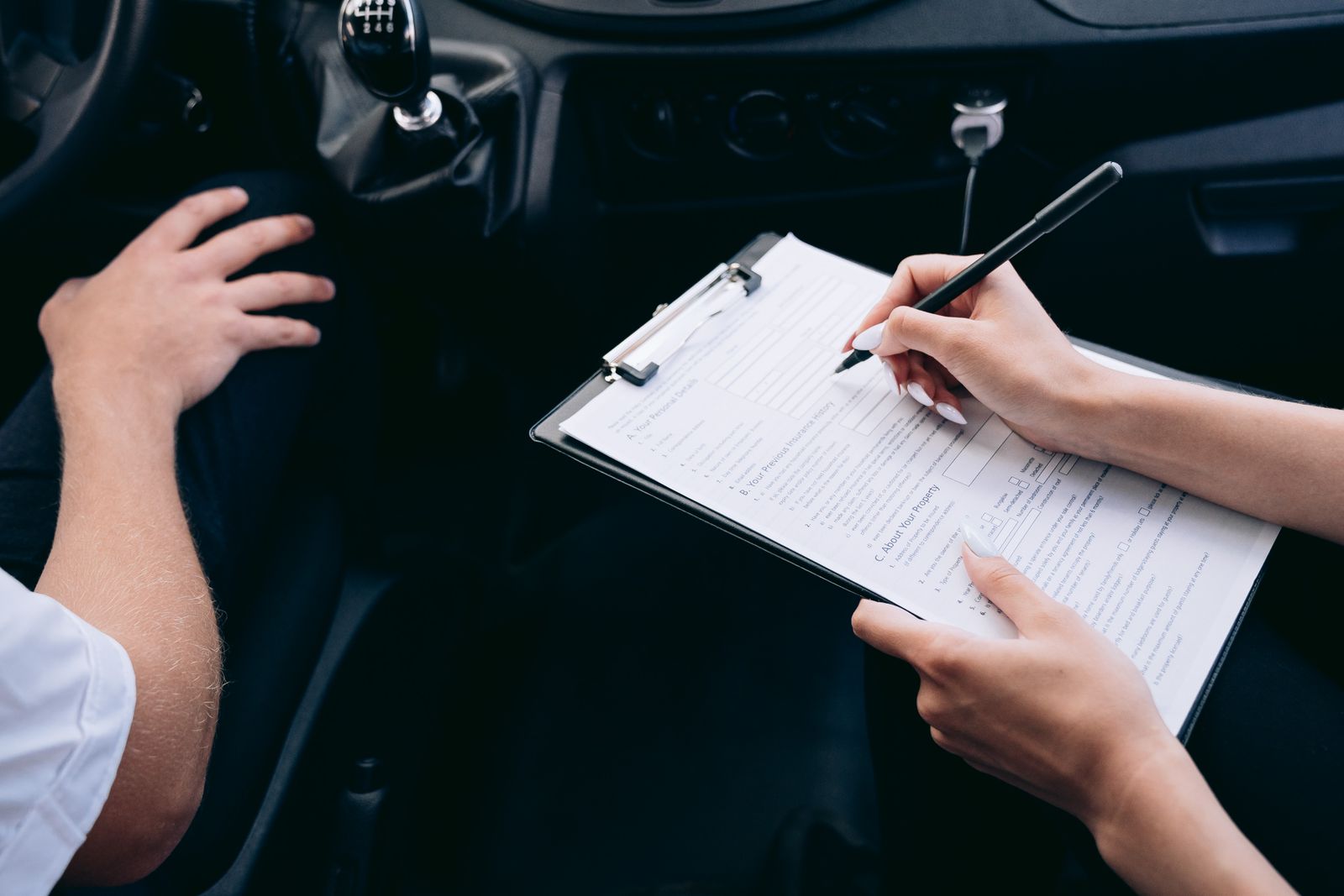
Here’s the catch. The 75 percent test is about a settlement and a value guide, not about whether the car smells wet on the day you visit. A repaired car can look ordinary and still carry the brand, and a car that was flooded in a private deal can be under-branded if nobody reported it. So you use three layers: the Alabama title in front of you, a NMVTIS-based history, and a full CARFAX or AutoCheck for the out-of-state chapters a single state screen will not narrate.
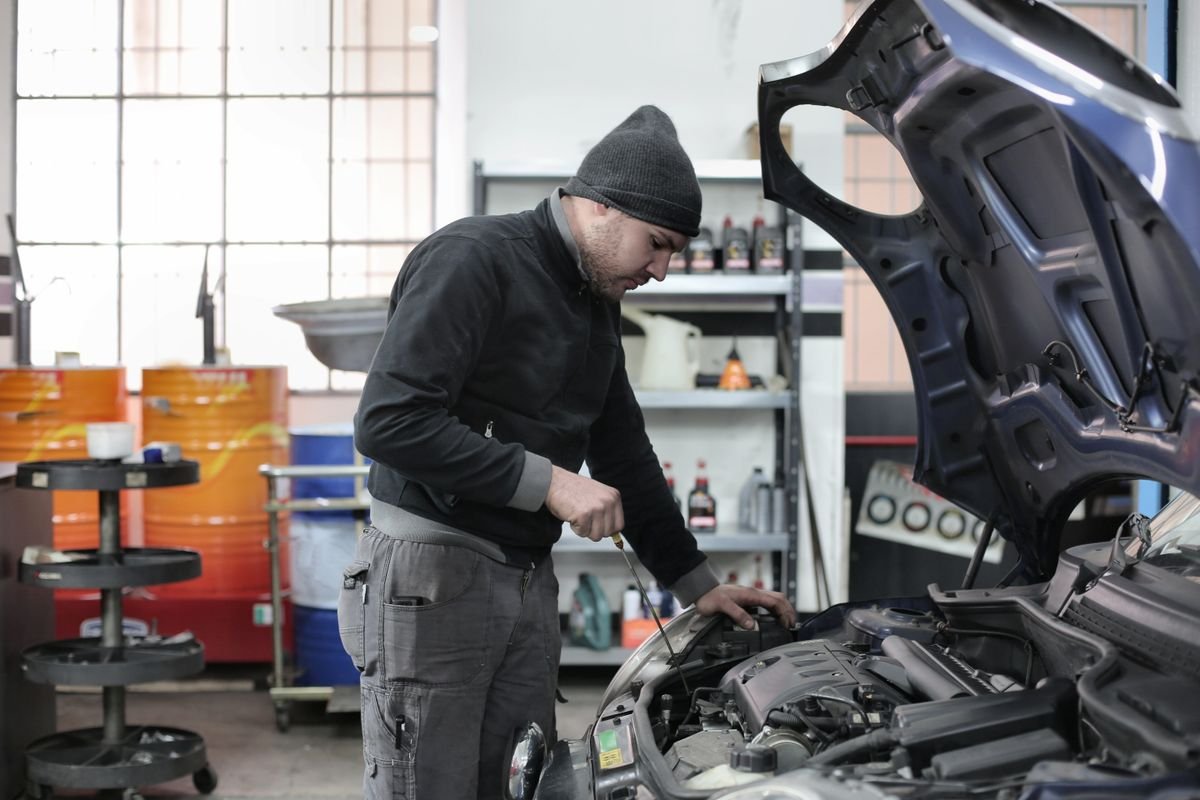
NHTSA’s flood guidance is the inspection brief: wiring, modules, and corrosion outlive the shampoo. Consumer Reports has made the same warning in storm years. We’ve watched buyers skip that because the price was already “discounted for Alabama.” Discount math fails when the modules fail later. If the car’s title chain runs through Louisiana or Mississippi as well, read the Gulf Coast flood-season checklist and Mississippi flood-title risks as the neighboring files.
Traps on Alabama inventory
Blunt risk: a cropped seller PDF, or a “clean title” claim that ignores an earlier brand in another state. Title washing is the move that tries to make a branded past look quieter after a move. Fake reports show up in the same chats. Pull your own file the week you go see the car, and walk if the seller will not give you a VIN you can read off the metal.
Honestly, pressure to wire a deposit before a daylight visit pairs badly with storm-state cars. Slow down. How title washing shows up on a report is the pattern of state hops after a loss. If you are deciding whether any branded flood car belongs in the driveway, the flood-title buy decision comes before the road trip.
Order of operations
History first, then a lift, then price. If you plan to rebuild a salvage car yourself, read Revenue’s rebuilt rules before you buy parts, because the inspection expects a restored vehicle and the junk brands are a dead end. Confirm fees and forms on the state site the week you apply. Do not trust a screenshot of a form from a prior year.
Save the dated report with the title photos. Alabama’s 75 percent line is a definition you can cite. The seller’s “it was only the floor mats” line is not.
Comments (0)
No comments yet. Be the first to share your thoughts!
Log in to leave a comment.