
AutoCheck will show a wrong accident, owner count, or use flag until someone disputes it with documents — the online form is a process, not a magic erase button.
Late September 2026, we still get screenshots of AutoCheck rows that the owner swears never happened. We’ve walked people through gathering police reports, title copies, and odometer affidavits before they hit submit, because empty disputes bounce. Experian’s AutoCheck correction path expects evidence, timelines, and patience.
Late September 2026 pricing still wobbles in public: official CARFAX/AutoCheck retail singles are commonly quoted around $39.99–$44.99 depending on the cart (confirm at checkout). Through our licensed reseller checkout, guest reports are about $5.50, member about $4.50, and the CARFAX+AutoCheck bundle about $6.75; credit packs often start near $3. Confirm what your cart shows before you pay. We are not affiliated with CARFAX, AutoCheck, or Experian — we resell official reports.
What an AutoCheck dispute actually changes
Look: AutoCheck aggregates reported data from insurers, auctions, DMVs, and other providers. When a row is wrong, you are asking the company to investigate and, if warranted, correct or annotate what its sources delivered. That is different from a shop quietly “fixing†a rumor in a Facebook group. Start from the live report, not from memory. If the score looks wrong because of a bad underlying event, dispute the event — see also disputing a wrong AutoCheck score.
Here’s the catch. Not every painful fact is an error. A real salvage brand, a real auction announcement, or a real taxi flag will not vanish because you dislike it. Disputes are for inaccurate or unsupported data. Honestly, the fastest way to lose a week is filing without attachments and hoping tone replaces paperwork.
CARFAX has its own correction channels; do not mix the forms. If you need both products cleaned, run parallel processes. Our companion on the CARFAX Data Research Request path covers that brand’s paperwork style.
Step-by-step: using the online dispute path
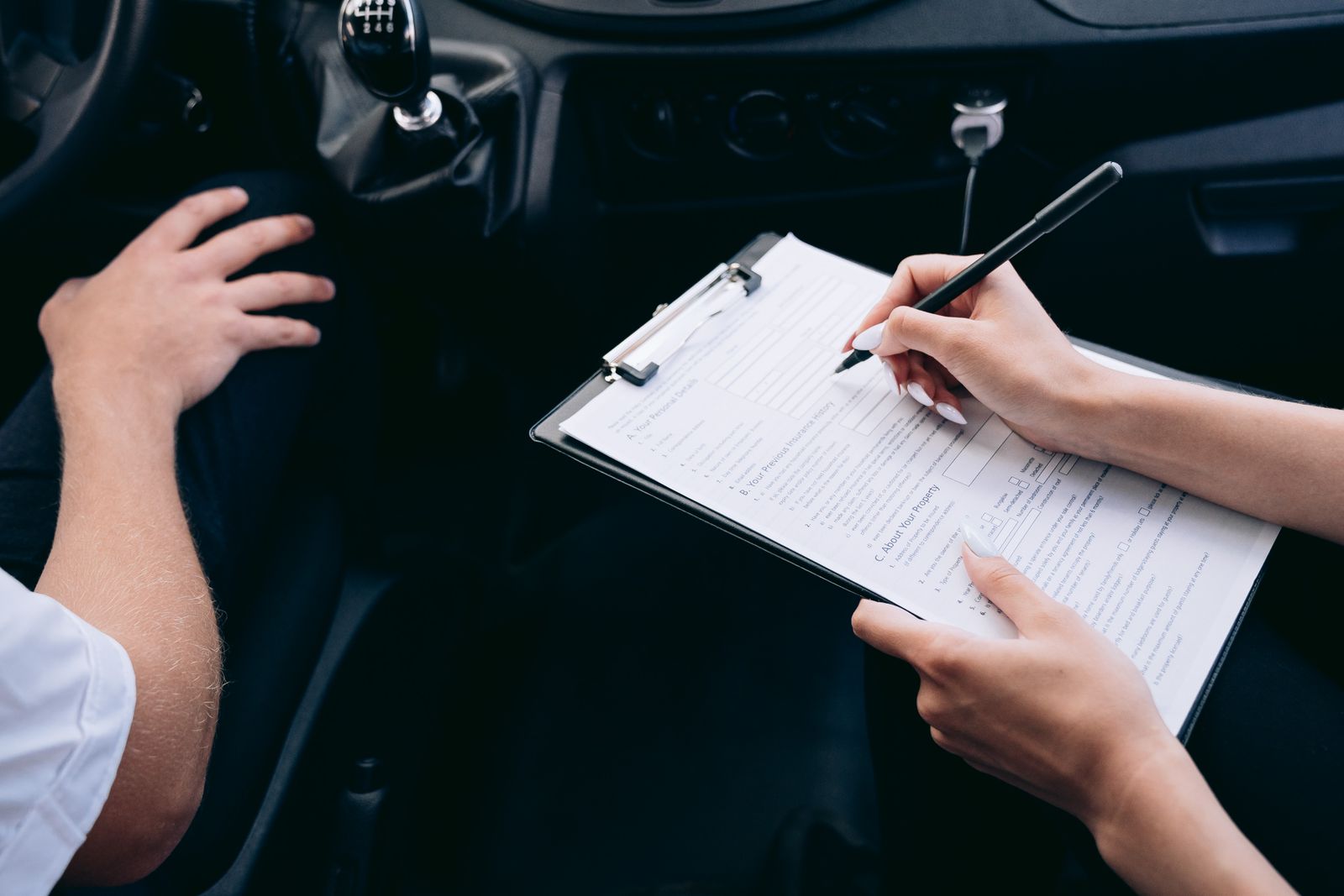
So pull a current official AutoCheck on the VIN and mark the exact rows you believe are wrong — dates, severity labels, odometer figures, use types. Then gather primary documents: police report, insurance settlement letter, title face, bill of sale, court order, or shop invoice that contradicts the row. Name files clearly. Incomplete packets create delays.
Submit through AutoCheck’s published consumer dispute / correction channels (start from AutoCheck’s support and title-brand help pages, then follow the current online form links). Include your contact info, the VIN, and a short factual statement — not a novel. Keep a copy of everything you upload. We’ve seen people re-send the same packet three times because they could not prove what was filed first.
- Identify the wrong row on a fresh PDF, not a cropped screenshot.
- Attach primary source documents that contradict the row.
- Dispute one logical issue set per packet when possible.
- Follow up on stated timelines; do not assume silence means approval.
- Re-pull the report after you receive a resolution notice.
Common traps that sink disputes
Blunt risk: paying a random “we remove Carfax/AutoCheck lines†service that is not the official channel. Those outfits often resell hope. Stick to Experian/AutoCheck’s process and your documents. Another trap is disputing a score digit without disputing the events underneath — the model will keep rebuilding a similar number if the inputs stay.
If a police report is the key evidence for a false accident narrative, mirror the document discipline we outline for CARFAX in disputing a false accident with a police report. Different company, same idea: primary records beat vibes.
After a correction posts
When AutoCheck updates, pull a new PDF and archive it with the date. Tell any buyer, lender, or insurer who saw the old file that a refresh exists. Scores can move after underlying rows change; read the new range too. If you also need missing service history added rather than an error removed, that is a different workflow — see adding missing service records to AutoCheck.
We’ve watched sellers celebrate a correction verbally while still emailing the old PDF. Always re-pull. The live database is what the next shopper will see.
Disputes are paperwork plus patience. Your inspector still has to look at the car; a cleaner report does not invent repaired metal.
If the disputed item is an odometer reading, bring title brands and prior title copies showing consistent mileage disclosures. Odometer fights without paperwork almost always stall. Pair the AutoCheck dispute with a careful dash photo and, when needed, a state odometer complaint path.
Club and partner pricing for reports still drifts; confirm at checkout when you re-pull after a correction. A stale screenshot of last spring’s price is not a quote, and a stale report is not proof the database moved.
Comments (0)
No comments yet. Be the first to share your thoughts!
Log in to leave a comment.