
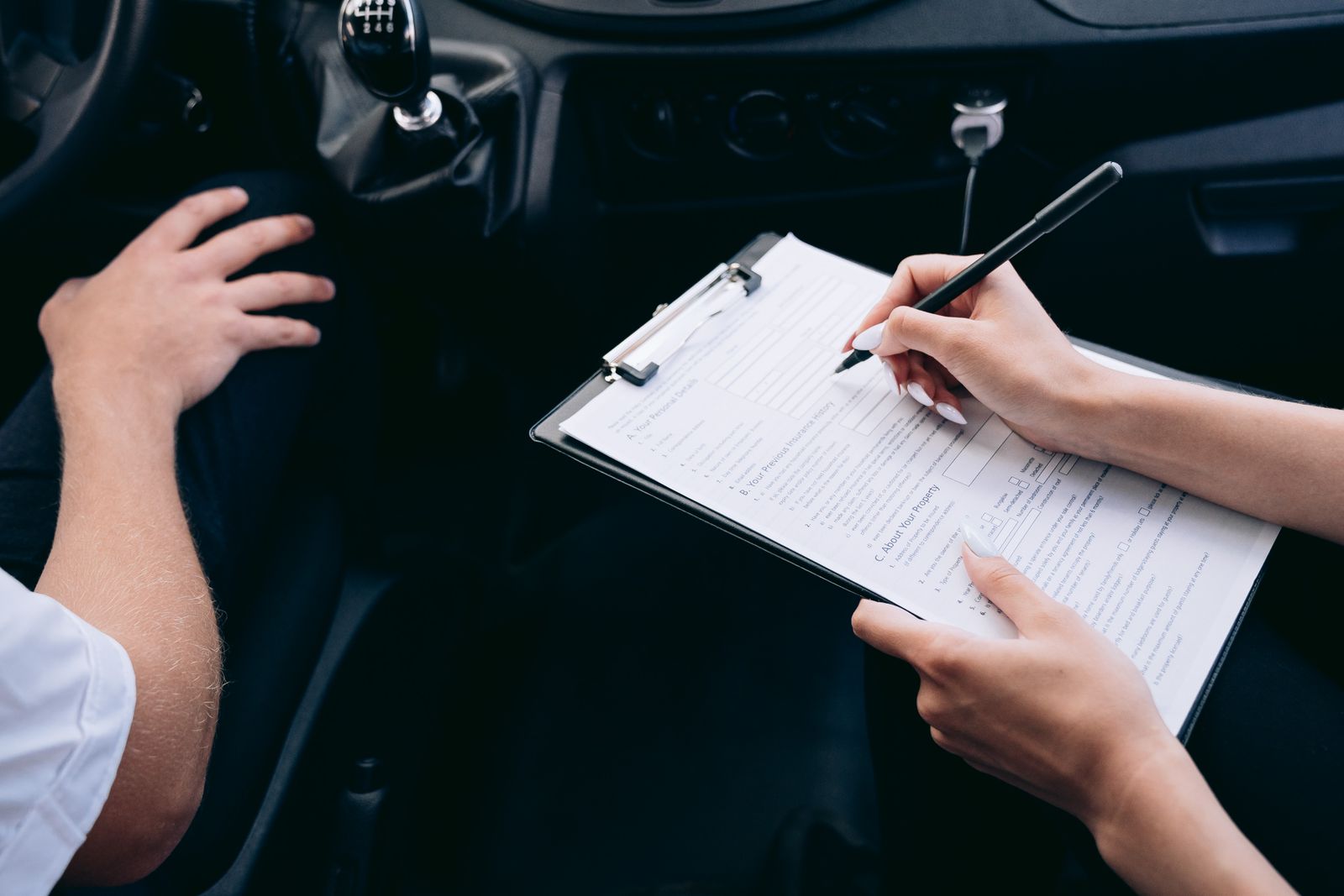
A false accident on CARFAX usually dies — or survives — based on the police report and insurer records you can produce, not based on how loudly you insist the fender never met another car.
Late September 2026, we still see owners forward a verbal “the other driver lied†story with zero paperwork. We’ve also seen clean police reports that clearly show a different VIN or a non-contact incident that was miscoded. Documents decide which bucket you are in.
Late September 2026 pricing still wobbles in public: official CARFAX/AutoCheck retail singles are commonly quoted around $39.99–$44.99 depending on the cart (confirm at checkout). Through our licensed reseller checkout, guest reports are about $5.50, member about $4.50, and the CARFAX+AutoCheck bundle about $6.75; credit packs often start near $3. Confirm what your cart shows before you pay. We are not affiliated with CARFAX, AutoCheck, or Experian — we resell official reports.
Why the police report is the center of gravity
Look: CARFAX accident rows often originate from insurance claims, state data, or repair sources. A police report is primary evidence of what officers recorded — location, vehicles, injuries, diagrams. If the report shows no accident involving your VIN, or shows a parking scrape mislabeled as a highway collision, that packet belongs in a correction request. Start with CARFAX’s Data Research Request process.
Here’s the catch. “No police report was filed†is not the same as “no accident happened.†Many insurance-only claims never generate a public crash report. You may need insurer letters, photos, and repair invoices instead. Honestly, the weakest disputes are the ones that argue metaphysics without paper.
If AutoCheck shows the same bad event, open a parallel dispute there too — AutoCheck online dispute form guide.
Document pack that actually moves the needle
So obtain the official police report from the agency that holds it — not a friend’s photocopy of a photocopy. Match VINs, plate numbers, dates, and narrative. If your VIN is absent, say so on the cover sheet. If your VIN is present but the narrative contradicts the CARFAX severity story, quote the relevant lines and attach the full report.
Add insurer claim outcome letters when you have them, plus final repair invoices. Then file through CARFAX’s correction channel with a short factual summary. Keep confirmation numbers. For severity vocabulary fights, keep the damage severity glossary handy so you are arguing about defined terms.
- Official police report PDF with matching identifiers.
- Insurer correspondence and estimate/invoice trail.
- Current CARFAX with contested accident lines highlighted.
- Calm cover letter: facts, not insults.
- Re-pull after resolution; archive both old and new.
Traps buyers and sellers hit
Blunt risk: delaying a sale for months on a dispute that cannot succeed because the accident was real. Disclose and price instead. Another trap: editing the police report yourself — that is how you turn a data problem into a legal problem. Submit originals.
Buyers should not accept “we’re disputing it, so ignore the line†as disclosure. Either the line is gone on a fresh pull, or it still counts in negotiation. We’ve walked from cars where the seller’s only pitch was a pending ticket number.
What success looks like — and what it does not
Success is an updated CARFAX that matches the primary records. It is not a promise every third-party site scraped the old PDF out of Google cache overnight. Send parties the new file. If estimated repair cost fields were part of the mess, read how estimated repair cost works so you know what changed.
Mechanical inspection still matters. A corrected database row does not prove the unibody is straight. Pay for the PPI on any car that had a contested or real collision history.
Bring the police report, file through official channels, and re-pull. Volume without documents is just noise.
If the police department says the report is not public yet, ask about release timelines and whether an insurer already has a copy you can request through your claim file. Parallel document hunting beats waiting silently.
When the false accident involves a prior owner, you may need that owner’s cooperation or title paperwork showing you were not the party in the narrative. Explain chain of ownership in the cover letter.
Comments (0)
No comments yet. Be the first to share your thoughts!
Log in to leave a comment.