
CARFAX’s Data Research Request is how you ask the company to investigate a report problem with documents — not how you bully a salvage brand off a title that a state already printed.
Late September 2026, owners still confuse “I hate this accident line†with “this accident line is false.†We’ve helped people assemble police reports and insurer letters for legitimate corrections, and we’ve also told people the brand on the DMV title is a state problem, not a CARFAX form problem.
Late September 2026 pricing still wobbles in public: official CARFAX/AutoCheck retail singles are commonly quoted around $39.99–$44.99 depending on the cart (confirm at checkout). Through our licensed reseller checkout, guest reports are about $5.50, member about $4.50, and the CARFAX+AutoCheck bundle about $6.75; credit packs often start near $3. Confirm what your cart shows before you pay. We are not affiliated with CARFAX, AutoCheck, or Experian — we resell official reports.
What the research / correction request is for
Look: CARFAX support documents explain how to request a correction when you believe reported information is inaccurate. You supply the VIN, the contested item, and evidence. Investigators check with sources. Outcomes range from correction to “data stands†with an explanation. Start at CARFAX’s official correction help article, not a random YouTube “remove anything†channel.
Here’s the catch. Title brands originate with state agencies. A history report may display them, but the DMV/MVA process is what changes the legal brand on the face of the title. Do not expect a research request to wash a flood brand that the state correctly applied. For accident-specific police-report disputes, use the police-report dispute path as your document checklist.
AutoCheck errors need AutoCheck’s dispute channel — parallel, not interchangeable. See AutoCheck online dispute steps if both PDFs are wrong in different ways.
How to file a useful Data Research Request
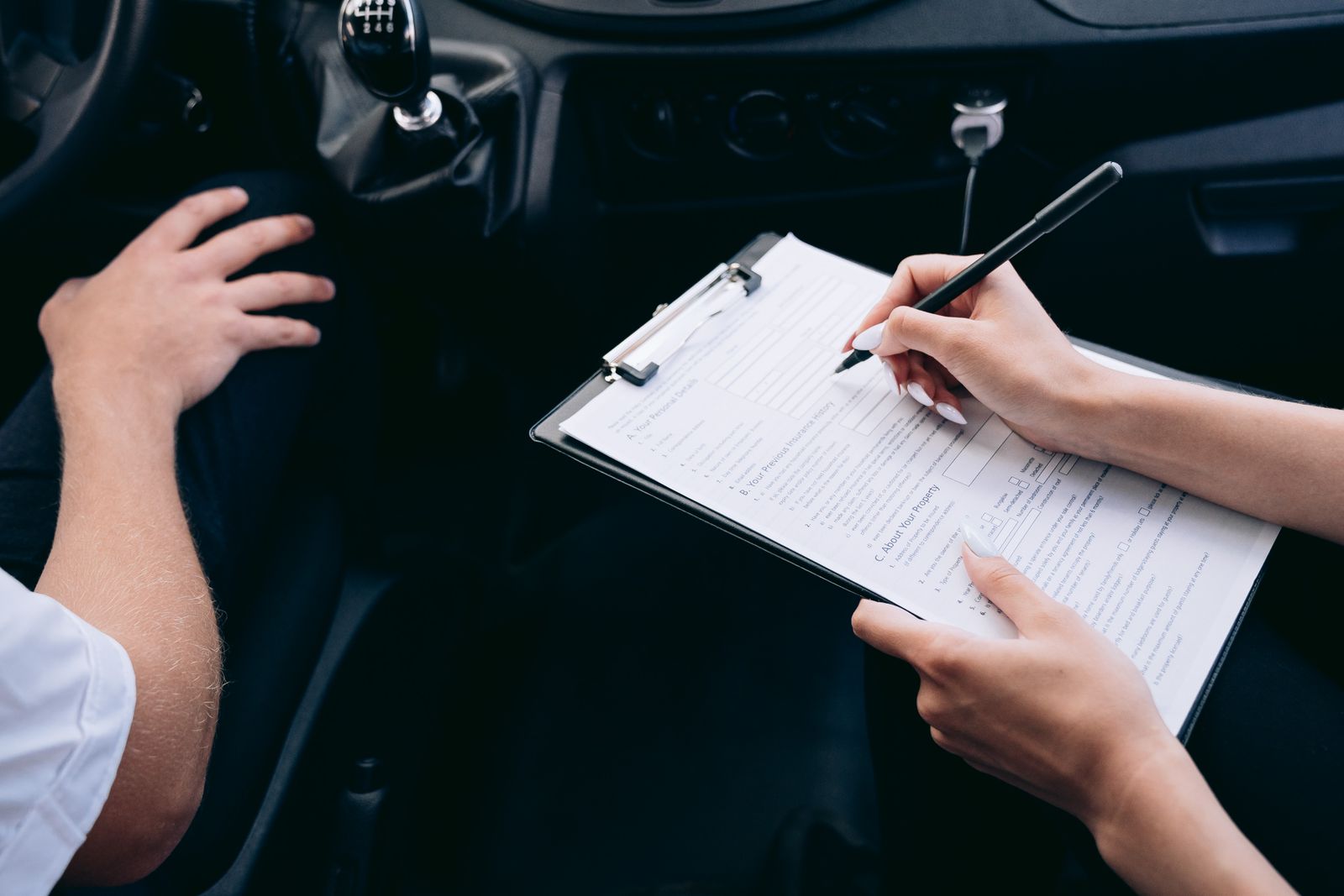
So download or purchase a current CARFAX, highlight the contested rows, and write a calm one-page summary: what is wrong, what is true, and which attachment proves it. Attach legible PDFs of police reports, court documents, title faces, or insurer letters. Fuzzy phone photos of crumpled paper slow everything down.
Submit through CARFAX’s published correction / research request process linked from support.carfax.com. Keep confirmation numbers. We’ve seen packets rejected for incomplete VIN fields or mismatched owner names — double-check the header data before you hit send.
- Fresh CARFAX PDF with contested lines marked.
- Primary documents that contradict those lines.
- Clear contact info and VIN on every page of your cover note.
- Separate requests for unrelated issues when the file is messy.
- Re-pull after you receive a decision.
Traps and false hope
Blunt risk: paying a third party that promises guaranteed removal of legitimate accidents. Legitimate process can correct errors; it does not invent a virgin history. Another trap is filing because a seller wants a prettier PDF before listing day — if the data is accurate, the ethical move is disclose, not doctor.
If you actually need to add missing service history rather than remove an error, that is closer to adding service records to CARFAX. Different goal, different packet.
After CARFAX responds
Archive the decision email and a new report pull dated the same week. If you are selling, show buyers the updated PDF, not the old marketing screenshot. If a lender already underwrote on the prior file, send them the refresh before funding surprises land.
Honestly, patience is part of the product. Research queues are not same-day detailing. Plan your sale or refinance timeline with slack. We’ve watched deals slip because someone filed a request three days before a planned closing.
Use the official form, attach real documents, and keep your expectations tied to evidence — not to what would be convenient.
When the contested item is severity language or estimated repair cost rather than the existence of an accident, bring insurer estimate pages and final invoices. Those fields are model- and source-dependent; your documents still help investigators understand what should display.
If two accidents are conflated into one row — or one accident split oddly — say so explicitly and provide dates from the police report. Ambiguous cover letters create ambiguous outcomes.
Keep seller-side ethics in view: updating a false line is fair; hiding a real flood or salvage event is fraud. History companies and state brands exist because buyers kept getting surprised.
Comments (0)
No comments yet. Be the first to share your thoughts!
Log in to leave a comment.