
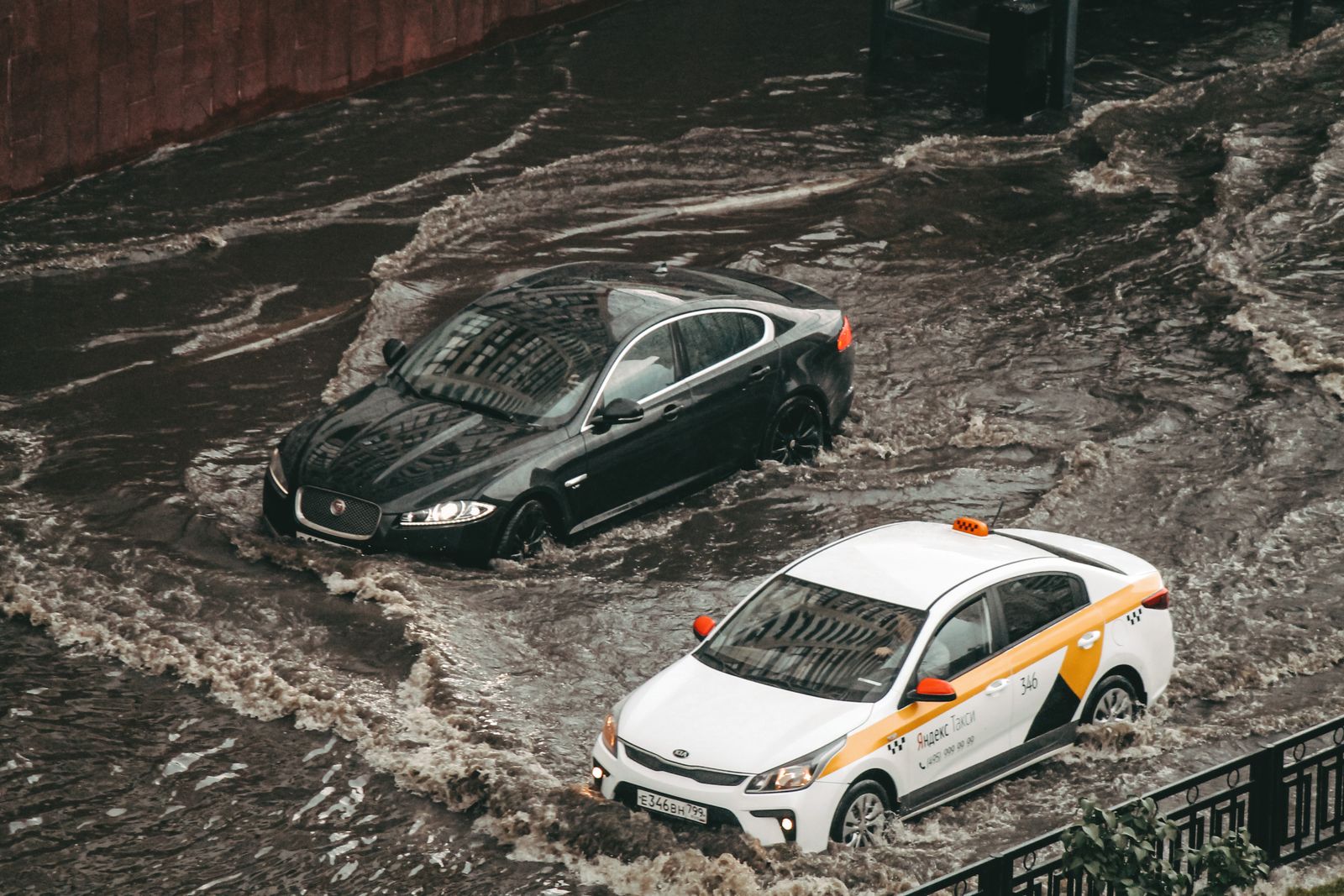
California buyers keep searching for a separate “flood” brand and coming up empty — then assuming the car never saw water. That is the wrong inference. California’s titling language often folds serious flood damage into salvage / salvaged branding rather than printing a standalone flood stamp the way some states do.
Late September 2026, we still field the same question after West Coast listings: “CARFAX says salvage, seller says not flood — so we’re fine, right?” We’ve compared California titles to multi-state history rows where water totals or flood brands from elsewhere sit under a California salvage path. The absence of the word flood on the California face is not a clean bill of health.
Official retail CARFAX/AutoCheck quotes still sit near $39.99–$44.99 for singles depending on the cart (confirm). Our guest pulls are about $5.50, member about $4.50, bundle about $6.75. Confirm at checkout. We are a licensed reseller and are not affiliated with CARFAX, AutoCheck, or Experian.
What California’s branded-title materials actually say
Look: California DMV branded-title guidance describes salvaged vehicles as cars with considerable damage from sources that explicitly include flood, among other causes. Industry registration materials and public branded-title pages are trying to warn you that salvage is a bucket, not a single crash story. Out-of-state flood brands can also translate into California’s salvage / revived-salvage world when the car is retitled.
So when a California title says salvaged or revived salvage, open the full history for water, auction, and prior-state brands. Pair this article with salvage vs rebuilt and flood title meaning so you negotiate the risk you actually have.
- Do not treat “no flood brand on the CA title” as “no flood history.”
- Read NMVTIS-style brand echoes and prior-state rows on CARFAX/AutoCheck.
- Ask insurers and lenders how they treat revived salvage — answers vary.
- Inspect for silt, corrosion, and moisture even when the face title is silent on water.
How to buy a California salvage car without kidding yourself
Here’s the catch. Sellers lean on the missing flood word. Your counter is a fresh official report plus a mechanic who will actually look under carpets and into cavities. NHTSA’s flood guidance still applies to electrical and safety systems after immersion, regardless of which state’s stamp is on the paper. Consumer Reports keeps warning that flooded cars migrate after storms — California is not magically exempt because its brand vocabulary differs.
Blunt risk: paying asking price on a “cosmetic salvage” story without checking whether the total-loss cause was water. We’ve seen listings that never mention flood while the history shows a water-related total or a prior flood brand two states back. Price the residual risk, or walk.
Title washing and interstate hops
Honestly, the fold-in design makes washing literacy more important, not less. A car can pick up a flood brand elsewhere, move west, and present as California salvage without the word you were Ctrl+F’ing for. Use title-washing tells when you see rapid jurisdiction changes after hurricane or atmospheric-river seasons.
If you are also shopping Florida or Gulf inventory for comparison, notice how explicit flood branding elsewhere creates a different search habit — then refuse to import that habit blindly into California titles. For Gulf seasonal patterns, see Gulf Coast flood-season cars. Save dated PDFs; do not trust a seller’s cropped overview tile.
We’ve watched buyers celebrate a “clean” California search for the word flood and miss salvage-plus-water history in the event list. Search brands and damage rows, not a single keyword. Then schedule the PPI before deposits get creative.
Revived salvage, NMVTIS, and what dealers must disclose
California’s revived-salvage path means a car that was salvaged can return to the road after the required steps. That is a registration outcome, not a promise about electrical integrity after water. When you shop revived salvage, ask which damage caused the original salvage certificate. If the seller shrugs, your report and a water-aware PPI become the whole diligence stack.
Dealers in California also operate under NMVTIS-related disclosure duties for junk/salvage indicators on used cars offered for sale. That helps retail buyers on dealer lots; it does not babysit private-party Facebook deals. For private sales, you still buy your own official report. For dealer sales, still read the posted disclosures and run your own PDF if anything feels thin — see dealer vs private-party history habits.
We’ve compared California face titles to multi-state histories where an explicit flood brand lived two owners ago. The California stamp said salvage. The risk still said water. Budget inspection time as if flood is possible whenever salvage appears without a clear crash story, especially after wet winters and interstate moves from Gulf states.

Comments (0)
No comments yet. Be the first to share your thoughts!
Log in to leave a comment.