
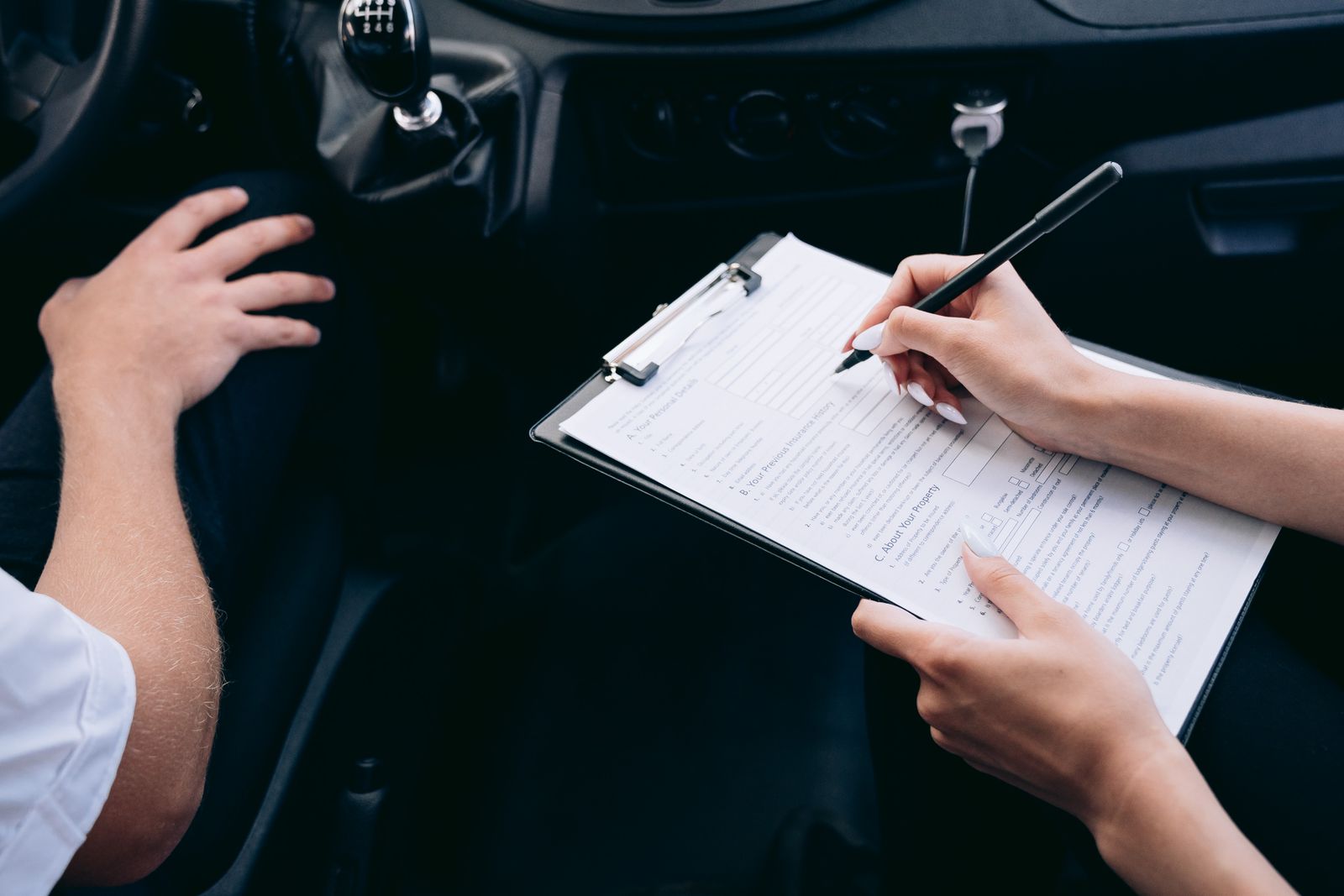
Wrong damage location on CARFAX — rear vs front, left vs right — still scares buyers and appraisers. Fixing it needs estimates and photos, not a shrug.
Late September 2026, we still see reports where the damage narrative points to the wrong corner of the car. We’ve matched insurer estimates to report text when a coding error moved a fender hit to the opposite side.
Late September 2026, official CARFAX and AutoCheck retail singles still get quoted around $39.99–$44.99 depending on the cart (confirm at checkout). Through our licensed reseller checkout, guest reports are about $5.50, member about $4.50, and the CARFAX+AutoCheck bundle about $6.75; credit packs often start near $3. Confirm what your cart shows before you pay. We resell official reports and are not affiliated with CARFAX, AutoCheck, or Experian.
Why location errors happen
Look: feeds summarize claims. Free-text fields get truncated. Auction announcements compress damage. A wrong corner can be a typo or a deeper VIN mix-up. Start by proving what actually happened.
Here’s the catch. Report rows and title brands are buyer tools only when you read them against documents and the car in front of you. Related reading on this site includes how to dispute a CARFAX error, disputing an accident with a police report, and CARFAX data research request.
Feeds summarize claims. Free-text fields get truncated. Auction announcements compress damage into short codes. A wrong corner can be a typo or a deeper VIN mix-up. Start by proving what actually happened with estimates and photos, not with a shrug.
Honestly, we’ve seen shoppers treat ugly rows as background noise until a lender or appraiser repeated them. Slow down and gather exhibits before you argue price.
- Match dash VIN, door sticker, and report header character for character.
- Gather letterhead docs, estimates, photos, and title copies — not screenshots alone.
- File corrections on CARFAX and, when mirrored, AutoCheck with the same exhibit set.
- Treat pending disputes as live risk until a fresh dated PDF shows the change.
Evidence that helps
So gather insurer estimates, repair photos, police diagrams if any, and current photos of the panels. File a correction with the VIN locked. If the score or AutoCheck announcement disagrees, dispute both products.
Gather insurer estimates, repair photos, police diagrams if any, and current photos of the panels in daylight. File a correction with the VIN locked character for character. If AutoCheck’s announcement or score story disagrees with the CARFAX location text, dispute both products so you are not chasing one clean PDF and one dirty one.
Blunt risk: closing because someone “already disputed it” without a dated correction outcome on a fresh pull. Feeds update. Fake PDFs exist. Your own checkout timed to the appointment is cheaper than a surprise row.
Buyer behavior while unresolved
Blunt risk: ignoring a “wrong corner” row because the seller swears it. Appraisers still read the PDF. Get the correction or price the uncertainty.
Related guides cover accident disputes with police reports and general CARFAX error paths.
Appraisers still read the PDF even when the seller swears the hit was the other corner. Get the correction or price the uncertainty into the offer. A “wrong corner” row is not harmless noise when severity words travel with it.
We’ve coached owners and buyers through correction queues that moved only after complete exhibits landed. Archive every report, title photo, and submission receipt.
Ugly rows stick until documents move them. Buy the fresh report, assemble the file, crawl the car, then talk price — not the other way around.
Compare damage-location language to neighboring severity and structural rows — a rear tap labeled as front-severe is a different negotiation than a cosmetic typo.
Photograph the car’s actual panels before you negotiate so your camera roll anchors the dispute file to the metal in front of you.
Reject cropped seller screenshots that hide the damage block. Buy or open a full official PDF timed to the appointment.
Compare damage-location language to neighboring severity and structural rows — a rear tap labeled as front-severe is a different negotiation than a cosmetic typo.
Photograph the car’s actual panels before you negotiate so your camera roll anchors the dispute file to the metal in front of you.
Comments (0)
No comments yet. Be the first to share your thoughts!
Log in to leave a comment.